

Hair sheds. Germs spread. In a hospital, even one loose hair can be a risk. This is why teams rely on disposable hair caps in hospitals. They help keep spaces clean. They help protect patients and staff. They are simple, fast, and low cost. This guide explains why they are used, who wears them, where they are needed, and how to wear them the right way.
What are disposable hair caps?
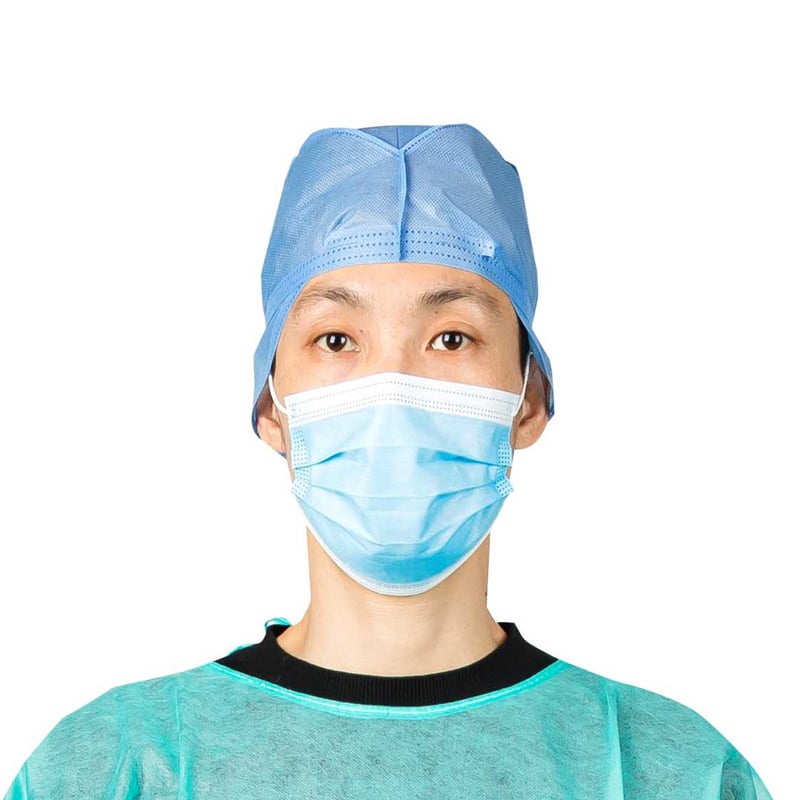
Disposable hair caps are one-time-use head covers. They fit over hair and scalp. They are light and soft. They help stop hair, dandruff, sweat, and droplets from falling into care areas. Most caps are:
- Non woven and breathable
- Elastic for a snug but gentle fit
- Low lint to keep rooms clean
- Latex-free for comfort on skin
Common styles include:
- ブーファン・キャップ for full hair coverage
- Surgeon caps with ties for a close, secure fit
- Clip caps with elastic for quick use
- Hoods and balaclava caps for full head and neck cover
- Beard covers to control facial hair

Explore examples like a medical bouffant clip cap for nurse and doctor, classic hospital surgical bouffant caps, a secure-fit disposable non woven doctor cap with back tie, or a full-coverage spunlace disposable surgical hood with ties.
Why do they use disposable hair caps in hospitals?
Disposable hair caps in hospitals support good care in many ways:
- Infection control: They block hair and skin particles that may carry germs.
- Patient safety: They reduce the risk of contamination near wounds, lines, or dressings.
- Clean rooms: They help keep the air and surfaces free from loose hair and lint.
- Fast turnover: One-time use makes change quick between rooms or tasks.
- Clear habits: Staff can show clean, standard work during checks.
In short, hair caps are a simple barrier that supports safe care every day.

Who wears them?
Many people wear disposable hair caps in hospitals:
- Doctors and surgeons
- Nurses and techs
- Lab and imaging staff
- Cleaners and support teams
- Visitors in high-risk areas
- Patients during some procedures
Each role may use a different style. For example, a bouffant cap gives space for long hair. A surgeon cap with ties is close and secure for active work.
Where are they used?
You will find 使い捨てヘアキャップ in many hospital areas:
- Operating rooms
- ICU and NICU
- Labor and delivery
- Emergency department
- Isolation rooms
- Central sterile and pharmacy prep
- Labs and imaging suites
Any area that needs high hygiene can set a “hair covered” rule.

Key benefits at a glance
- Stops shedding: Holds hair and dandruff in place.
- Reduces droplets: Limits sweat and scalp flakes near clean fields.
- Supports sterile work: Helps keep tools and trays free from hair.
- Simple and fast: Easy to put on and take off.
- Cost-effective: No wash cycle, less time loss, steady supply.
What are caps made of?
ほとんどの場合 使い捨てヘアキャップ use soft PP不織布 fabric. Some use ショートメール または spunlace for added comfort or strength. These materials are:
- Breathable: Less heat build-up on shifts.
- 軽量: Good for long wear.
- Low lint: Keeps rooms cleaner.
- Flexible: Fits many head sizes and hair types.
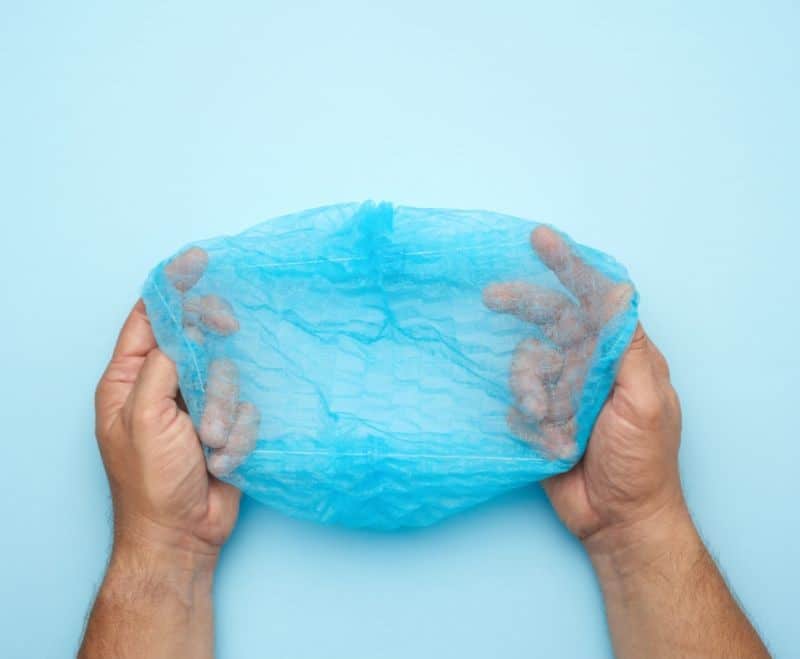
Hoods and balaclava styles may use thicker or more fitted fabric for full coverage.
How to wear a disposable hair cap
Use these easy steps:
- Wash hands and dry them well.
- Hold the cap by the edges.
- Stretch the opening and place it over the head.
- Tuck in all hair, including at the nape and sides.
- Check the edges around the forehead, ears, and neck.
- Do not touch the cap once you start patient care.
Tip: If a cap slips, is wet, or gets dirty, change it at once.
When to change the cap
Change your cap:
- Between rooms or patient zones
- After a procedure
- If soiled or damp
- After you remove other PPE
- At set times in long cases, as your unit’s rules require
Always throw used caps into the right bin.

Cap style guide for common tasks
Pick the cap that fits the job:
- General care and rounds
- Bouffant cap for full coverage and comfort
- Surgery and sterile work
- Surgeon cap with ties or fitted cap
- Hood or balaclava if you need neck and side cover
- High-shedding or long hair
- Large bouffant cap or hood
- Facial hair control
- Add a beard cover
For tied styles and full covers, see:
Fit and comfort tips
- Choose the right size so the cap is snug but not tight.
- Tuck all hair fully under the cap, including side strands.
- Use soft, breathable fabric for long shifts.
- Avoid pins and clips that may tear the cap.
- Change often to stay dry and fresh.
Storage and supply
Keep caps ready and clean:
- Store in a cool, dry place.
- Keep boxes closed to block dust.
- Use first in, first out.
- Place cap stations near room entries.
- Stock both bouffant そして tied styles.
Safety partners: other protective wear
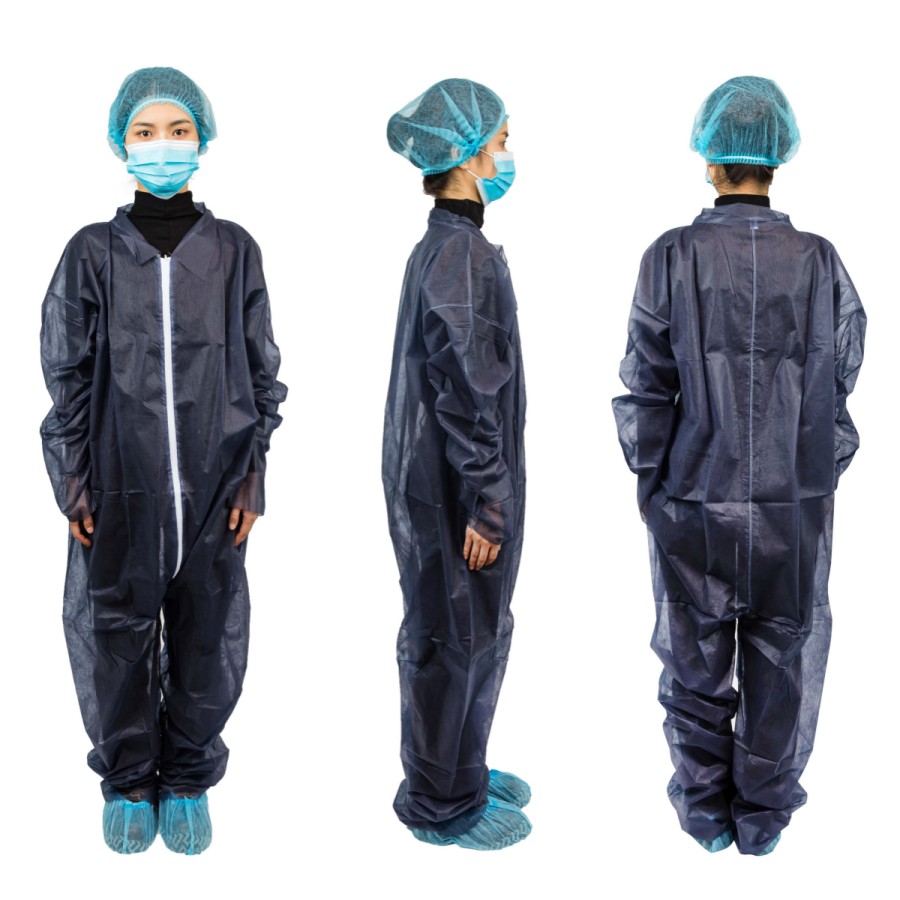
Hair caps work with other simple barriers to support clean care:
- Face masks for nose and mouth
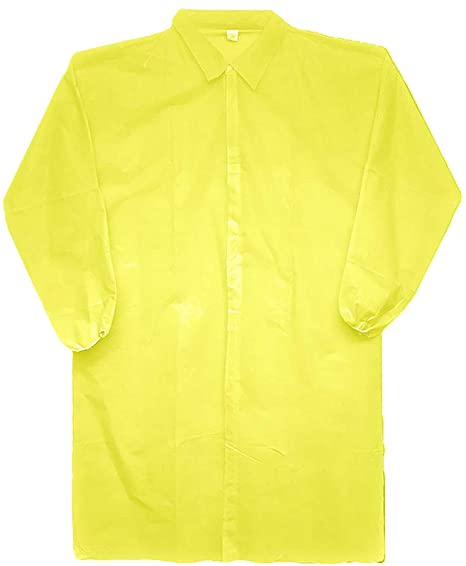
- ガウン for body and sleeves
- シューズカバー in splash or clean zones
- Gloves for hand protection
When layered, these items help control both hair and droplets in high-risk areas.
Do patients wear hair caps?
Yes, sometimes. Patients may wear a cap:
- Before going to the operating room
- で delivery rooms
- For imaging または lab tests
- で isolation or special clean areas
A cap helps protect wounds, lines, and dressings from loose hair.
Common mistakes to avoid
- Loose hair at the sides or neck
- Reusing a single-use cap
- Touching the cap during care
- Wearing damp or torn caps
- Poor fit, too tight or too loose
- Skipping hand wash before and after use
Fix these at once to keep a safe routine.
Quick checklist for units
- Are 使い捨てヘアキャップ at each room entry?
- Are both bouffant そして tied caps in stock?
- Are staff tucking all hair fully under the cap?
- Are caps changed between rooms or when soiled?
- Are disposal bins close and labeled?
- Is storage cool, dry, and tidy?
A short daily check keeps use strong and steady.
Ready-to-use options
If your team needs clear choices:
- For everyday use, try a roomy hospital surgical bouffant caps style.
- For nurses and techs, a medical bouffant clip cap for nurse and doctor fits most hair types.
- For a secure fit, use a disposable non woven doctor cap with back tie.
- For full coverage in high-risk tasks, add a spunlace disposable surgical hood with ties.
Final thoughts
Why do they use disposable hair caps in hospitals? The answer is simple: to protect patients and protect care. Disposable hair caps in hospitals help stop shedding, control germs, and support clean work. They are easy to use, fast to change, and kind to skin. With the right style, the right fit, and good habits, your team can keep rooms clean and care safe, shift after shift.





 日本語
日本語  English
  العربية
  한국어
한국어  ไทย
ไทย  Español
  Português
  Русский
  Français