
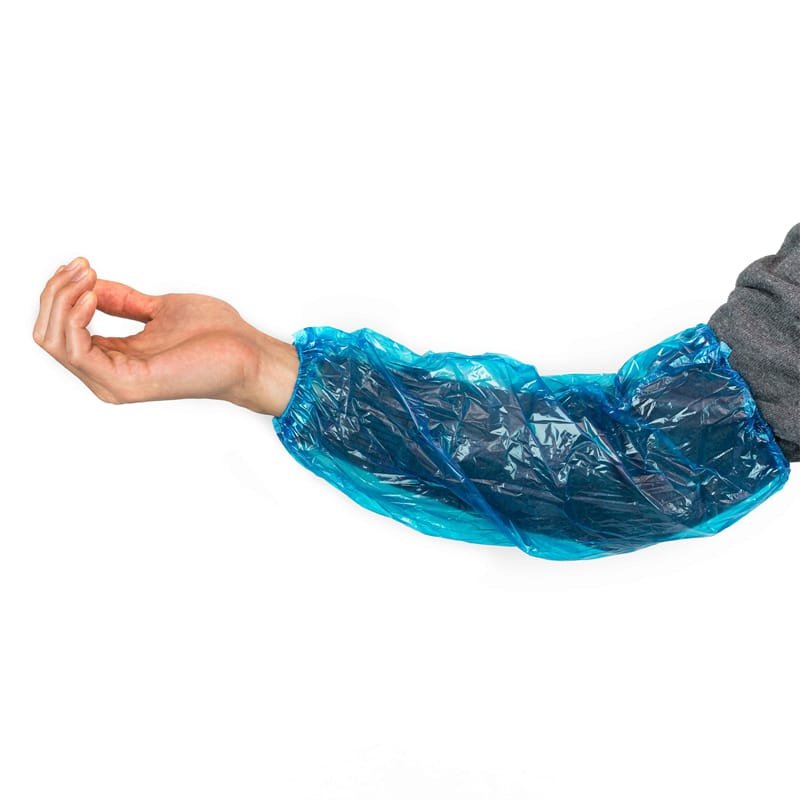
Building a safety culture starts with small daily steps. One simple tool can make a big change. That tool is disposable protective arm sleeves. When used the right way, they help create a safer work environment. They also set clear habits your team can follow every day.
This guide shows how disposable protective arm sleeves contribute to a safer work environment. It also gives easy tips to train teams, pick the right sleeves, and keep your site clean and ready.

What are disposable protective arm sleeves?
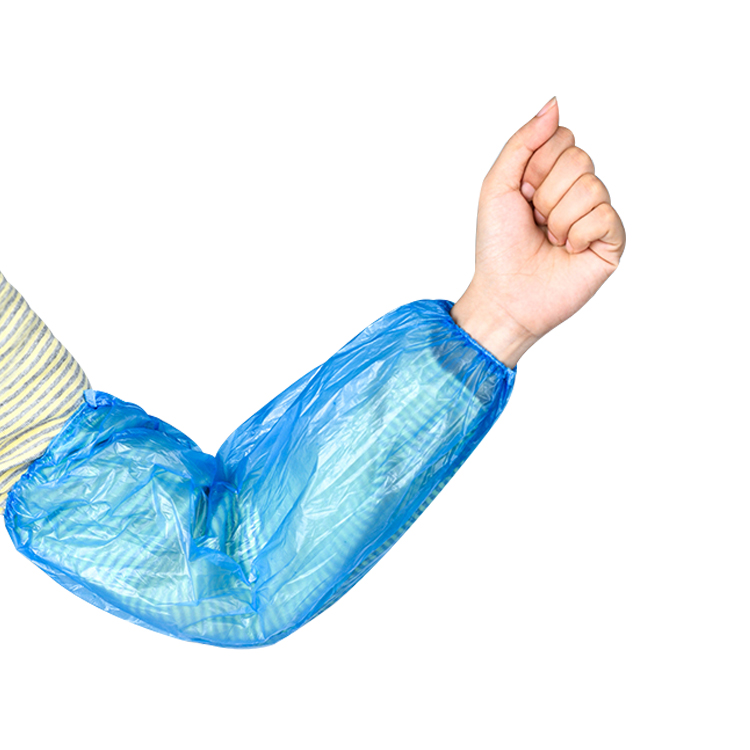
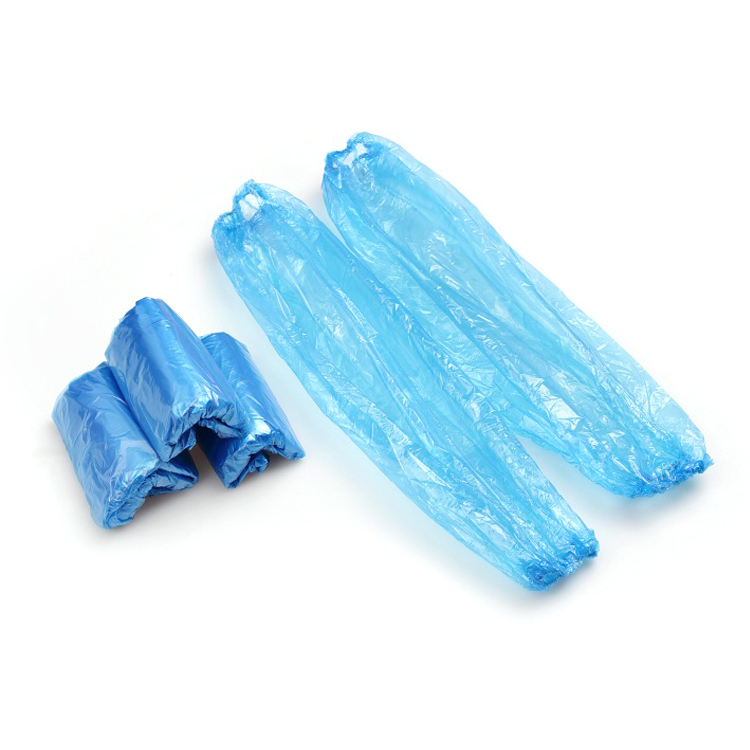
Disposable protective arm sleeves are single use covers for your arms. They run from the wrist to the elbow, and sometimes to the upper arm. Their job is simple:
- Block water, oilそして splashes
- Reduce contamination on sleeves and skin
- Help teams stay dry, clean, and focused
Many sleeves are made from PE film, CPE film, non woven with film, or microporous film. Most have elastic cuffs at both ends for a tight seal.

Helpful picks:
- All-round option: PPE protective sleeves, disposable arm sleeve cover
- Film style for wet work: Disposable pe sleeve, plastic arm sleeve protectors
- Soft low-lint option: 使い捨て不織布スリーブカバー
- Extra splash control: 使い捨てプラスチック製アームスリーブカバー
- Front-chest partner: 食品加工業用使い捨てプラスチックエプロン
Why sleeves help build a safety culture
A true safety culture is more than gear. It is daily behavior and clear systems. Disposable protective arm sleeves support that in five ways:
- Visible habits. A sleeve is easy to see. It reminds staff to gear up before each task.
- Fast changeovers. One-and-done use makes clean swaps quick. This supports steady compliance.
- Clear zones. Color-coded sleeves help teams follow line rules with one glance.
- Better hygiene. Dry arms and clean cuffs lower cross-contamination risk.
- Worker comfort. Dry, safe arms help people focus on the job, not the mess.
When you set sleeves as a normal step, you shape the whole shift.
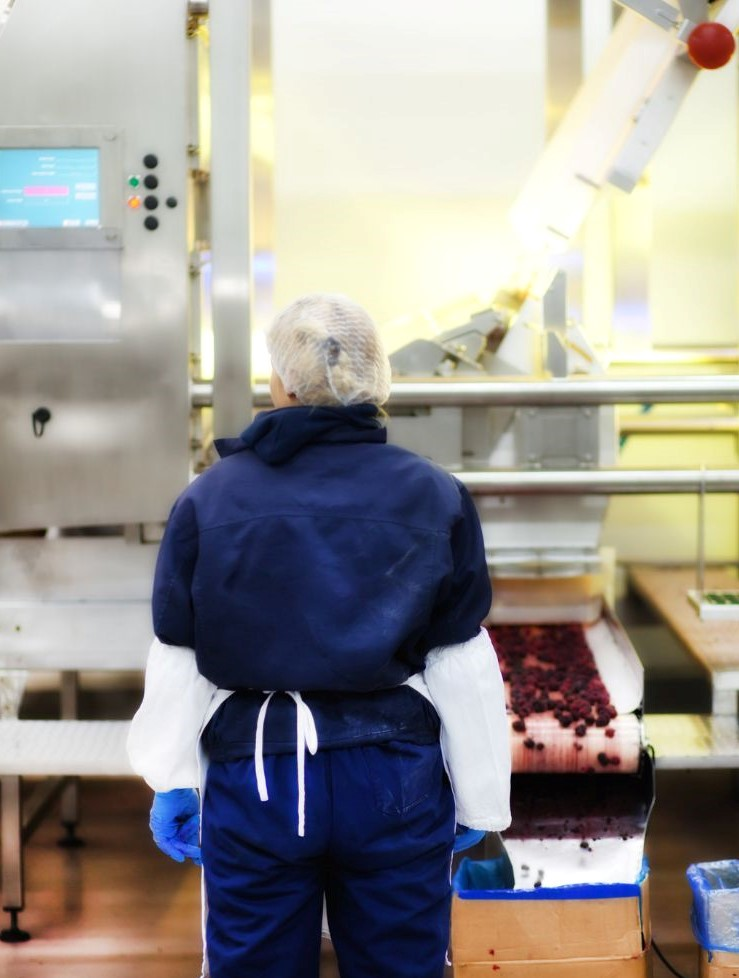
Risks sleeves reduce
Every site has wet or messy steps. Sleeves help with:
- Water spray そして brine
- Grease, sauceそして oils
- Detergent during clean-down
- Light dust または debris on sleeves
- Touch points on benches and tools
Note: These are not cut sleeves. They are made for splash そして soil control.
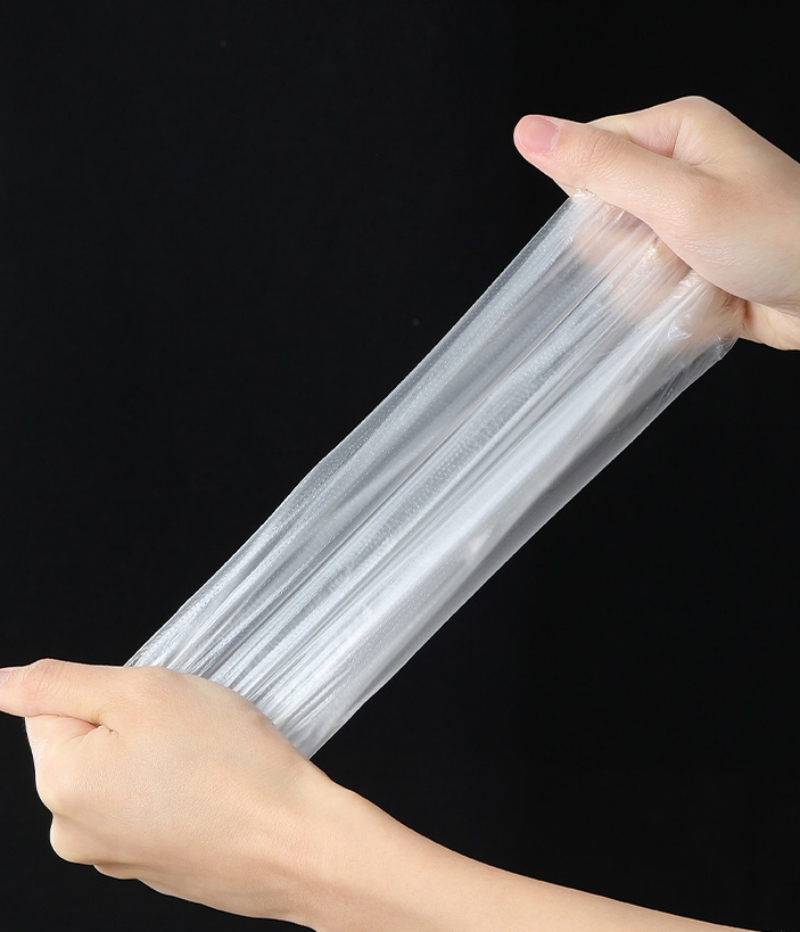
Where sleeves work best
Use disposable protective arm sleeves in many areas:
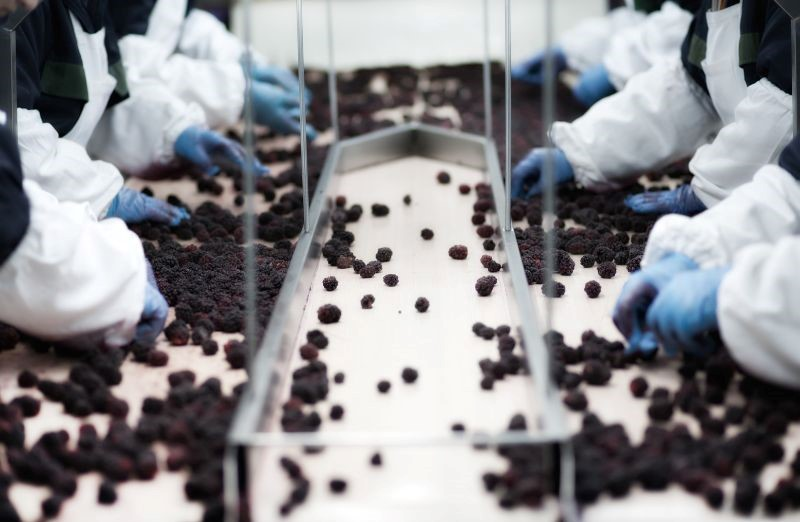
- Food lines: wash, trim, pack, and cold room tasks
- Sanitation: rinse, foam, and final rinse
- Labs and QA: sample pulls and bench work
- Cosmetics: fill, label, and wipe down steps
- Assembly: light oils, coolants, and part wash
- Education and training: build good habits early
If a task is wet, use sleeves. If a task is messy, use sleeves.

How to choose the right sleeve
Match the sleeve to the job with this quick plan:
- Barrier needs
- Light splash: PE film
- Heavier splash: CPE film (thicker, tougher)
- Low lint zone: non woven with film
- Warm area with splash: microporous film
- Fit and feel
- Look for double elastic cuffs
- Pick a longer length for tall staff or high splash
- Use textured film if you need better grip when wet
- Visual control
- Set color codes by zone or role
- Use clear labels for sizes and tasks
- Value
- Aim for sleeves that last the whole task
- Keep cost steady with bulk stock and FIFO use
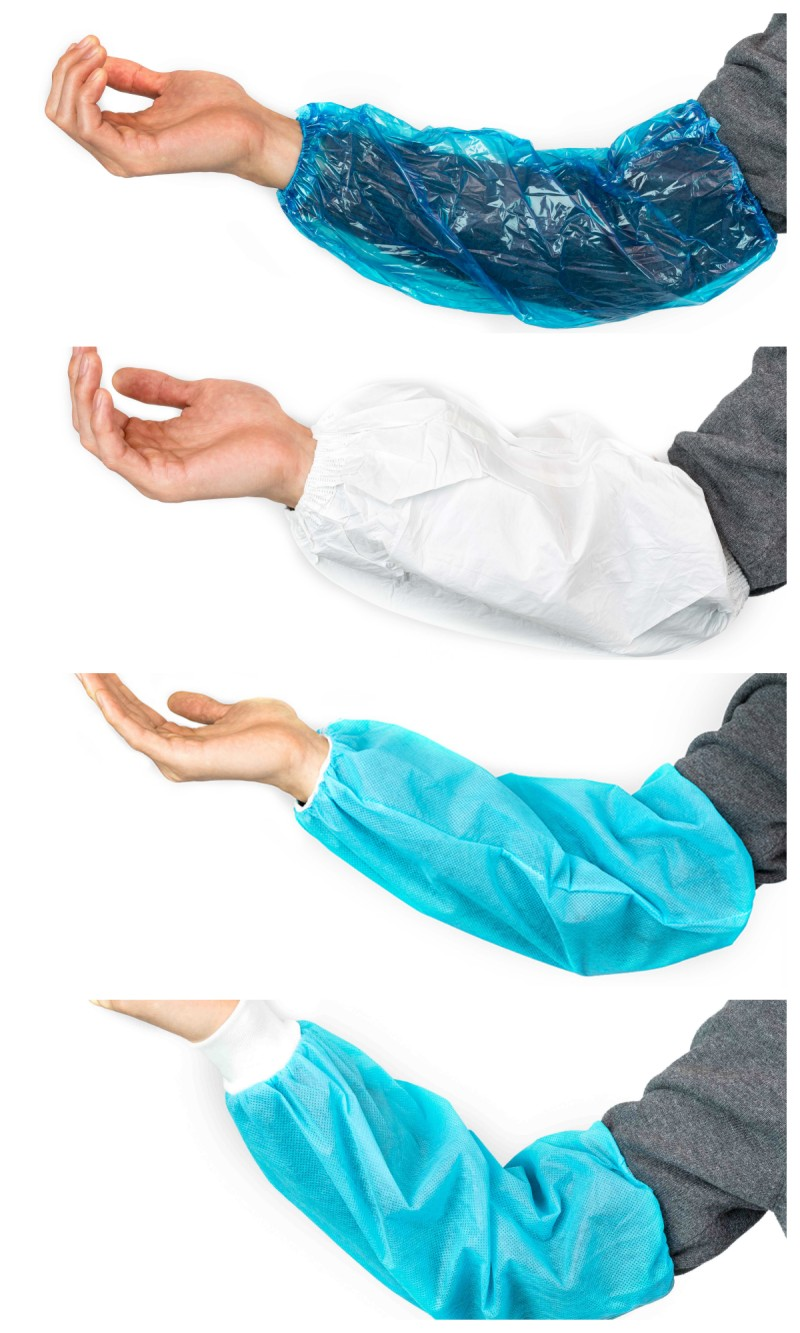
Test two styles for a week. Ask which stays dry, fits best, and holds a seal.
How to don sleeves (put on)
Teach the same steps every time:
- Wash and dry hands
- Put on inner gloves if needed
- Slide on the sleeve from wrist to upper arm
- Seat the wrist elastic over or under the glove cuff
- Seat the top elastic above the elbow
- Check for gaps, tears, or loose cuffs
- Put on outer gloves if used
A 60-second demo helps this stick.
How to doff sleeves (take off)
Keep soil in and skin safe:
- Keep gloves on
- Peel from the top elastic first
- Roll the sleeve inside out as you go
- Keep the wet side in
- Drop in the right waste bin at once
- Wash hands after removal
Change sleeves if they are torn, loose, or soiled.
Train for behavior, not just gear
A strong safety culture grows with simple training:
- Do a short live demo at shift start
- Post a one-page poster with big photos and bold steps
- Use a quick buddy check at high care doors
- Praise good use on the floor
- Give monthly refresh in toolbox talks
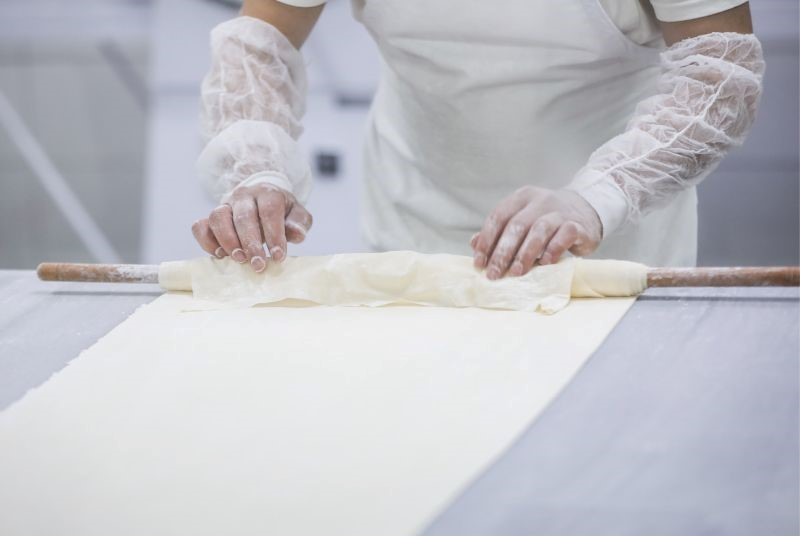
Make it easy to do the right thing fast.
Use sleeves with the right PPE set
Sleeves work best as part of a full set. Pair with:
- Aprons for chest and lap splash
- Gloves with cuffs long enough to overlap
- Hair nets そして beard nets for head care
- シューズカバー for clean floors
For heavy splash on the front, add a line-ready apron: 食品加工業用使い捨てプラスチックエプロン.
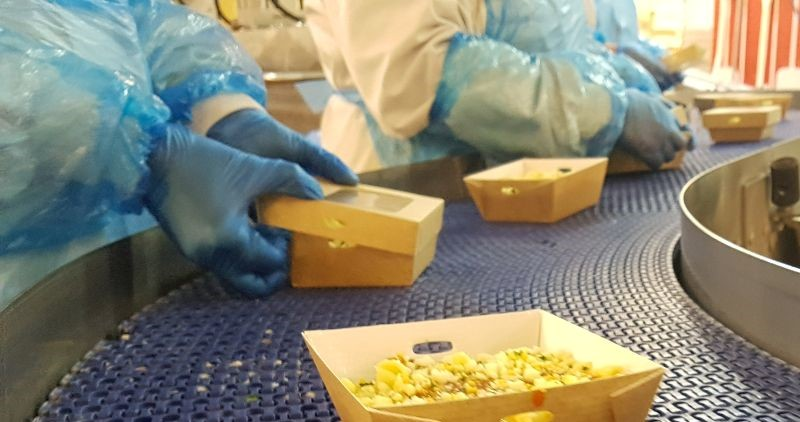
Visual tools that speed checks
Make safety easy to see:
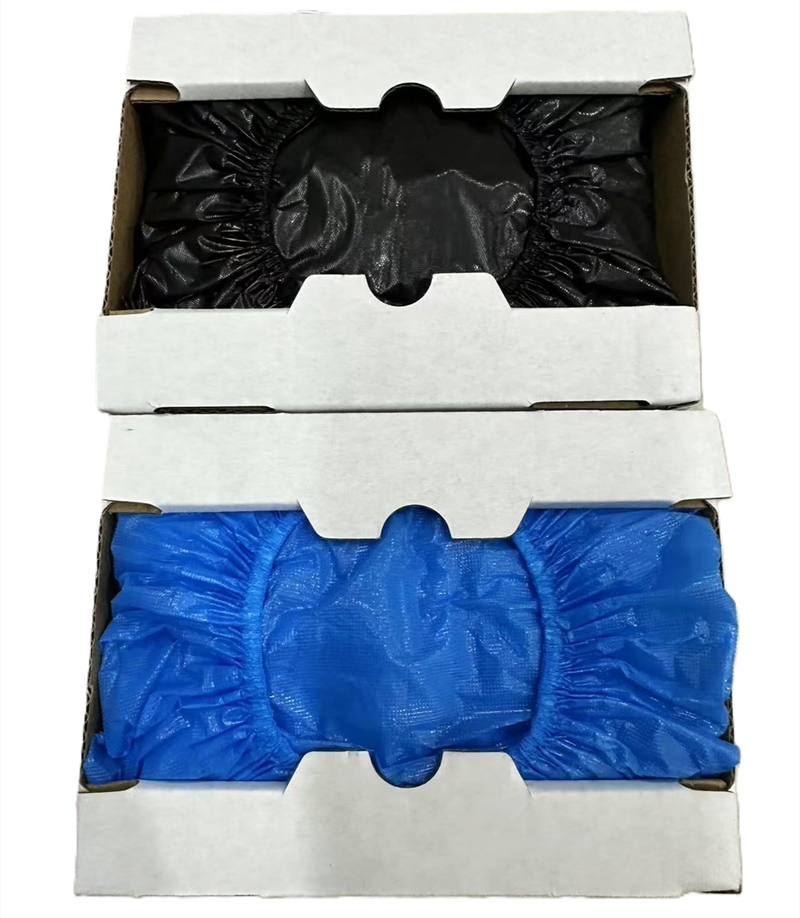
- Color codes for zones (for example: blue = raw, white = clean)
- Sign boards at doors that list the PPE set
- Mirror checks so each person can self-check
- Bin labels for fast disposal
Less talk, more clear signs. That is how habits stay strong.
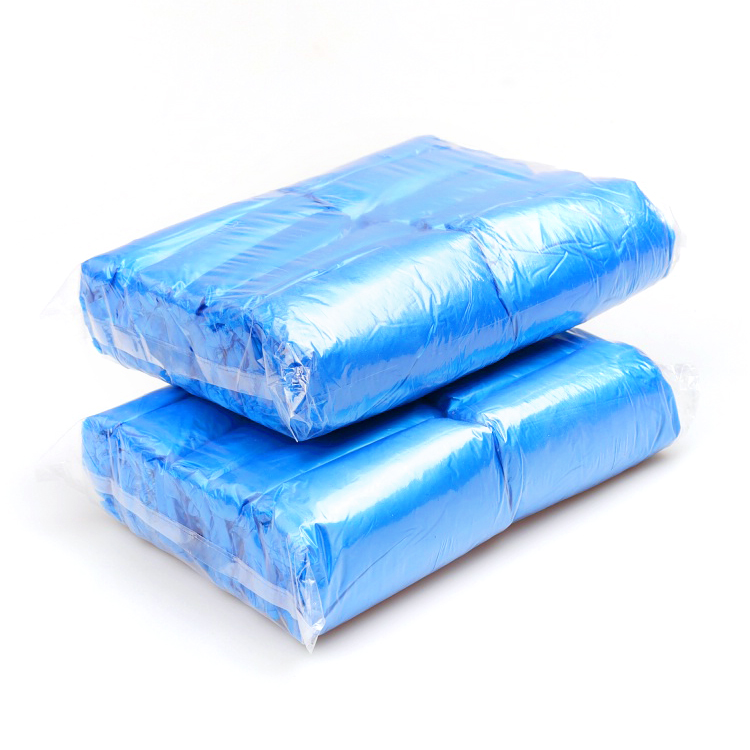
Stock, storage, and waste
A clean stock plan supports a safer work environment:
- Use first in, first out (FIFO) to rotate sleeves
- Store off the floor and away from heat and wet
- Stage sleeves near line starts for fast swap
- Mark waste bins by color and place them close
- Track use by zone to set re-order points
Good stock rules cut delays and help teams stay ready.
Simple checks to measure progress
You can measure culture in small ways:
- Spot-check how many enter zones with full PPE
- Count sleeve swaps per shift in wet areas
- Note any skin wet-out events
- Track tear and leak rates by sleeve type
- Ask two quick worker feedback questions each week
Share wins in stand-up meets. Fix gaps with small changes fast.
Common questions
- Do sleeves fit all arms? Many are one size. Keep a larger size for big arms or thick coats.
- Do sleeves feel hot? Try microporous film in warm rooms.
- Will the cuffs hold all day? Use double elastic cuffs and match to glove cuffs.
- Are sleeves lint free? Choose non woven with film for low lint zones.
Quick buyer checklist
Use this list to keep choices simple:
- Barrier: blocks water, oil, and common splash
- 素材: PE, 加入者宅内装置, non woven with film, or microporous
- Seams: heat-sealed or welded for fewer leaks
- Cuffs: double elastic at wrist and upper arm
- 長さ: covers above the elbow with room to bend
- 快適さ: smooth feel, no pinch
- カラー: fits your zone code
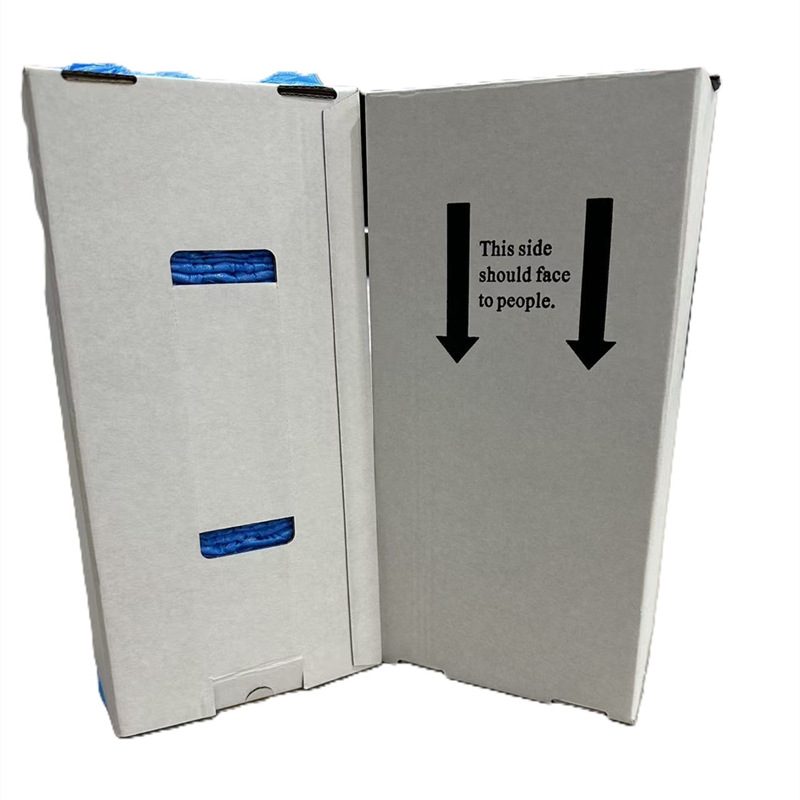
- Packs: clear size marks and easy open
- Value: lasts the full task at steady cost
Product paths to speed your pick
- All-in-one set: PPE protective sleeves, disposable arm sleeve cover
- Film sleeves for wet lines: Disposable pe sleeve, plastic arm sleeve protectors
- Low lint and soft: 使い捨て不織布スリーブカバー
- Extra film choices: 使い捨てプラスチック製アームスリーブカバー
- Front splash partner: 食品加工業用使い捨てプラスチックエプロン
Building a safety culture is daily work. Disposable protective arm sleeves make it easier. They help shape clear habits. They protect skin. They support clean lines and fast changeovers. This is how disposable protective arm sleeves contribute to a safer work environment.
Final thoughts
Pick the right 材料 そして fit. Train donning そして doffing. Use color codes and clear signs. Keep stock close and bins marked. Do these steps well, and your site will be safer, cleaner, and ready for each shift.




 日本語
日本語  English
  العربية
  한국어
한국어  ไทย
ไทย  Español
  Português
  Русский
  Français