
In busy work sites, hands meet dirt, germs, and harsh fluids. This is why high-quality disposable gloves matter. They protect the team. They protect the place. They protect the client. In this guide, we explain the impact of gloves on daily work. We show how to choose, use, and store them the right way. We also look at the phrase that sums it up: the impact of disposable gloves on safety and hygiene in professional cleaning.
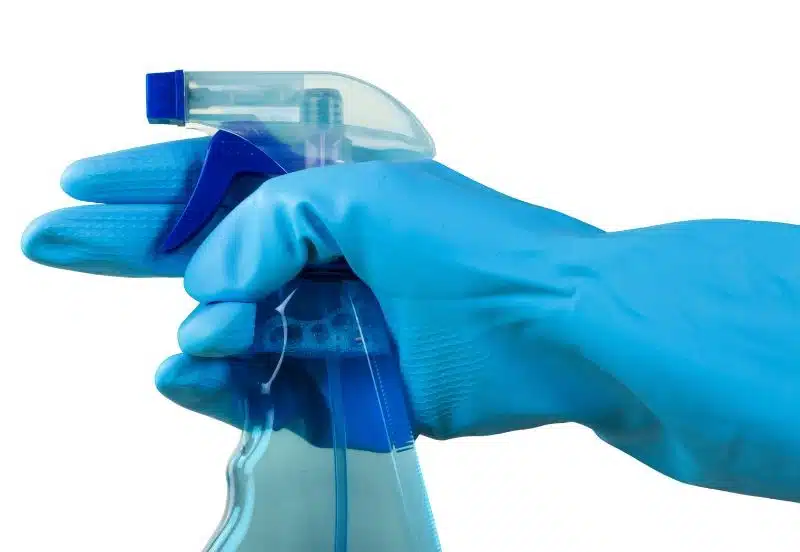
Why gloves matter in professional cleaning
Professional cleaning is fast, close, and hands-on. Tasks change from dry dust to wet scrub in minutes. Each task has risk. Disposable gloves cut that risk.
Key gains:
- 安全性: They block skin from chemicals, dirt, and sharp edges.
- 衛生: They help stop cross-contamination from one area to the next.
- Confidence: Clean hands build trust with clients and staff.
- Speed: Easy on, easy off, and quick change between zones.
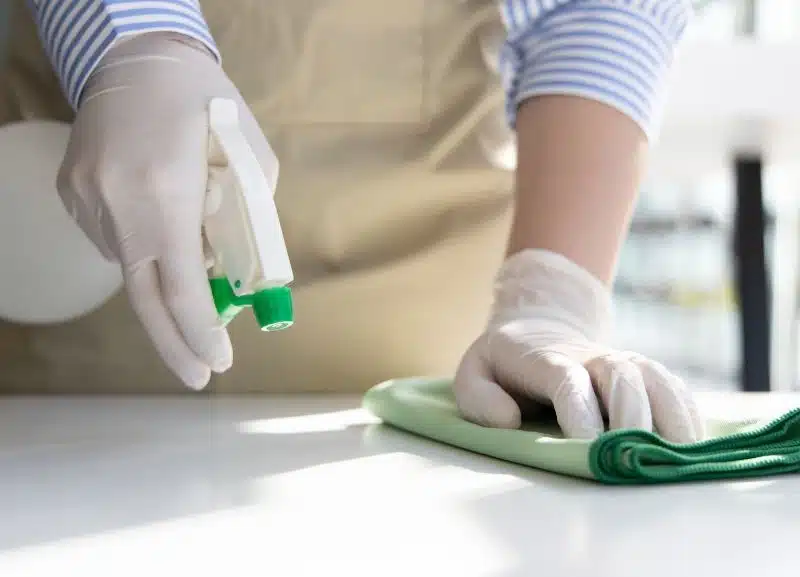
What makes a glove “high-quality”
A high-quality disposable glove does more than cover the hand. It holds up during the job. It fits well. It grips well. It keeps a strong barrier.
Look for:
- Right fit: Sizes from S to XL. No pinch. No slip.
- 耐久性: Good tear そして puncture hold.
- Barrier: Low pinholes and solid film in palm and fingers.
- Grip: Textured fingertips help with wet tools.
- 快適さ: Powder-free and smooth inside for long wear.
- Latex-free options when needed.
Tip: Test a few samples on real tasks. Stretch, grab, and scrub. Pick the glove that stays strong and feels right.
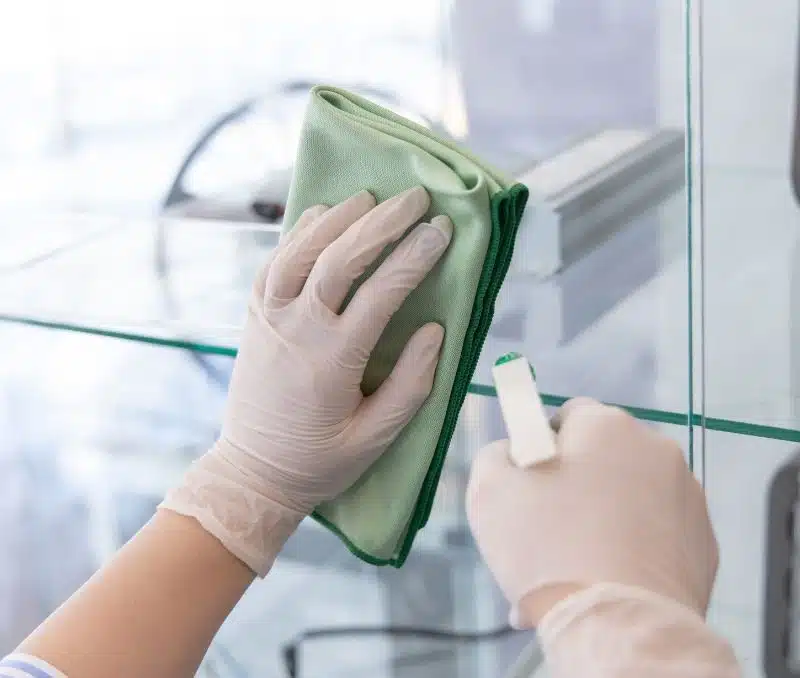
How gloves lift safety and hygiene on the job
Here is how high-quality disposable gloves change daily work:
- Less skin contact
- Hands do not touch dirty rags, bins, or drains.
- Cuts and rashes drop when skin stays dry and clean.
- Cleaner workflow
- Change gloves between rooms and zones.
- Use color plans to mark zones (for example, blue for restrooms, clear for office).
- Better tool grip
- Textured gloves help avoid drops in wet areas.
- Fewer drops mean fewer spills and breaks.
- Fast room turns
- A fresh pair is faster than full hand wash when you move from one dirty spot to the next.
- You still wash hands at key points.
Match gloves to common cleaning tasks
Pick the glove by task risk, time, and contact.
- Daily surface clean
- Light sprays and wipes
- Need: good fit and touch feel
- Change: by room or zone
- Restroom deep clean
- High splash and strong odors
- Need: thicker film, strong grip, fast change
- Change: often, and always by area
- Kitchen degrease
- Oils and wet tools
- Need: textured fingertips and strong barrier
- Change: if slick or torn
- Waste handling
- Bins, liners, and sharp odds
- Need: better tear そして puncture hold
- Change: after each bin run
- Floor care
- Mop, scrub, and polish
- Need: grip and cuff strength
- Change: when soaked
- Disinfection turns
- Contact with wet disinfectant
- Need: steady barrier and snug fit
- Change: by contact time set in your site rules
For wipe support that speeds the job, see this handy roll: 非編まれた使い捨て可能なクリーニングのワイパー ロール
Good habits that make gloves work better
Even great gloves fail with bad habits. Keep it simple and strict.
- Plan by zones
- Use one pair per zone to stop spread.
- Change often
- Change if torn, sticky, or dirty.
- Change between “dirty” and “clean” tasks.
- Train all staff
- Show how to put on and take off well.
- Post a short checklist on the wall.
- Stock all sizes
- A good fit lowers tears and hand strain.
How to put on and take off gloves
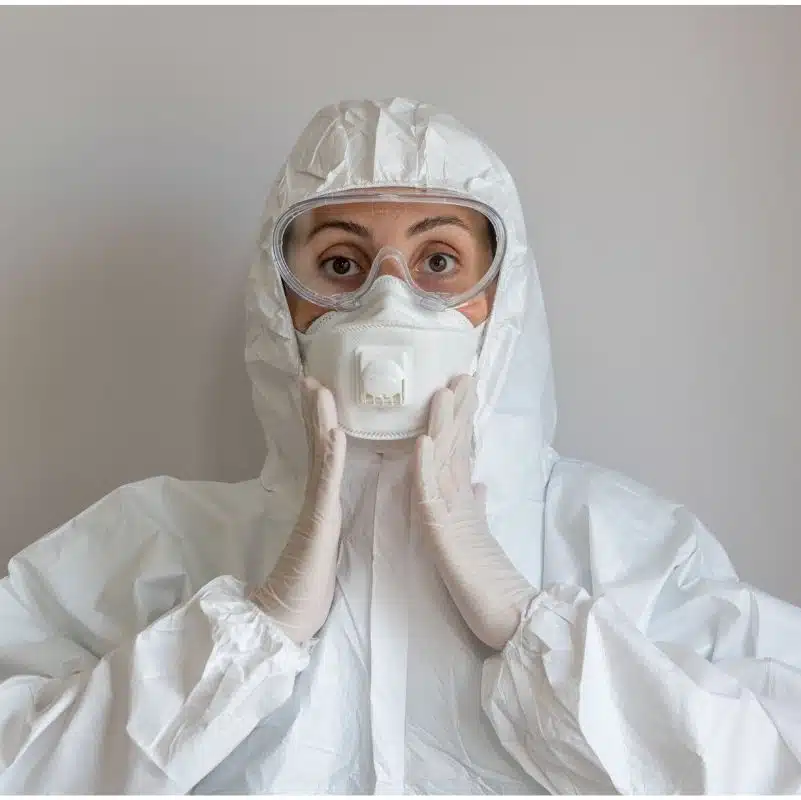
Follow these steps every time.
- To put on
- Wash and dry hands.
- Pick the right size.
- Pull on by the cuff. Smooth each finger.
- To take off
- Pinch the cuff of one glove.
- Peel off and hold it in the gloved hand.
- Slide a finger under the cuff of the other glove.
- Peel off and wrap both inside out.
- Toss in the right bin.
- Wash hands again.
Pair gloves with the right add-ons
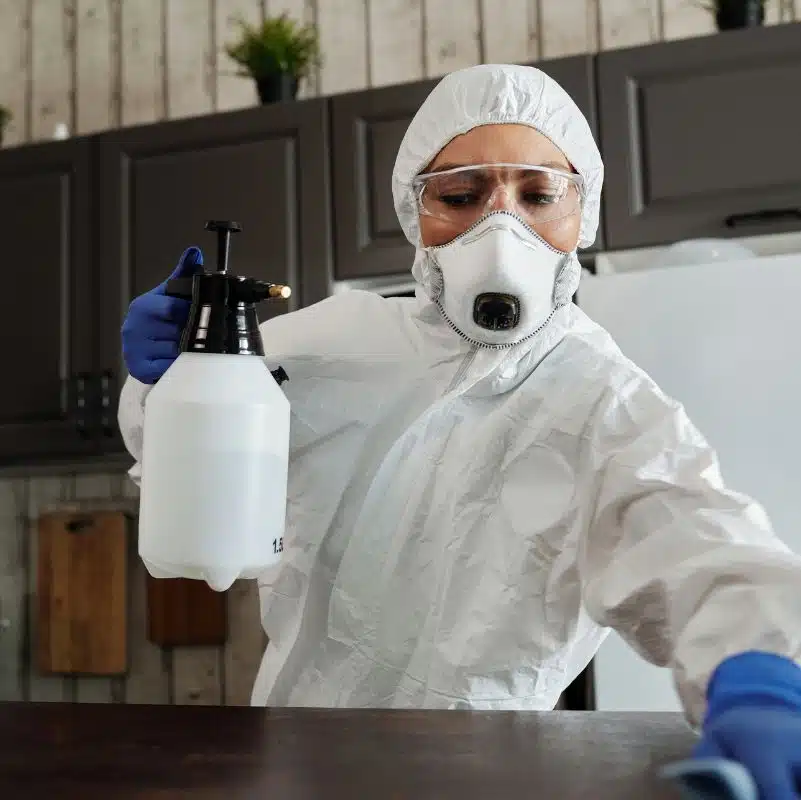
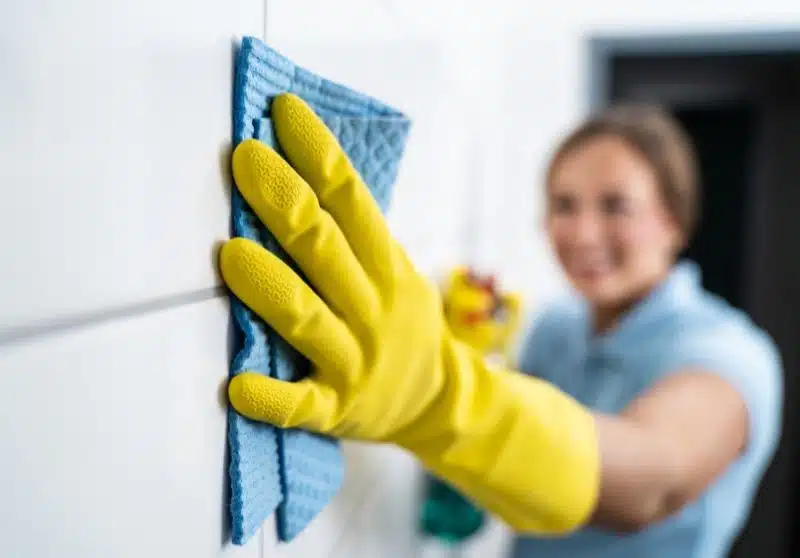
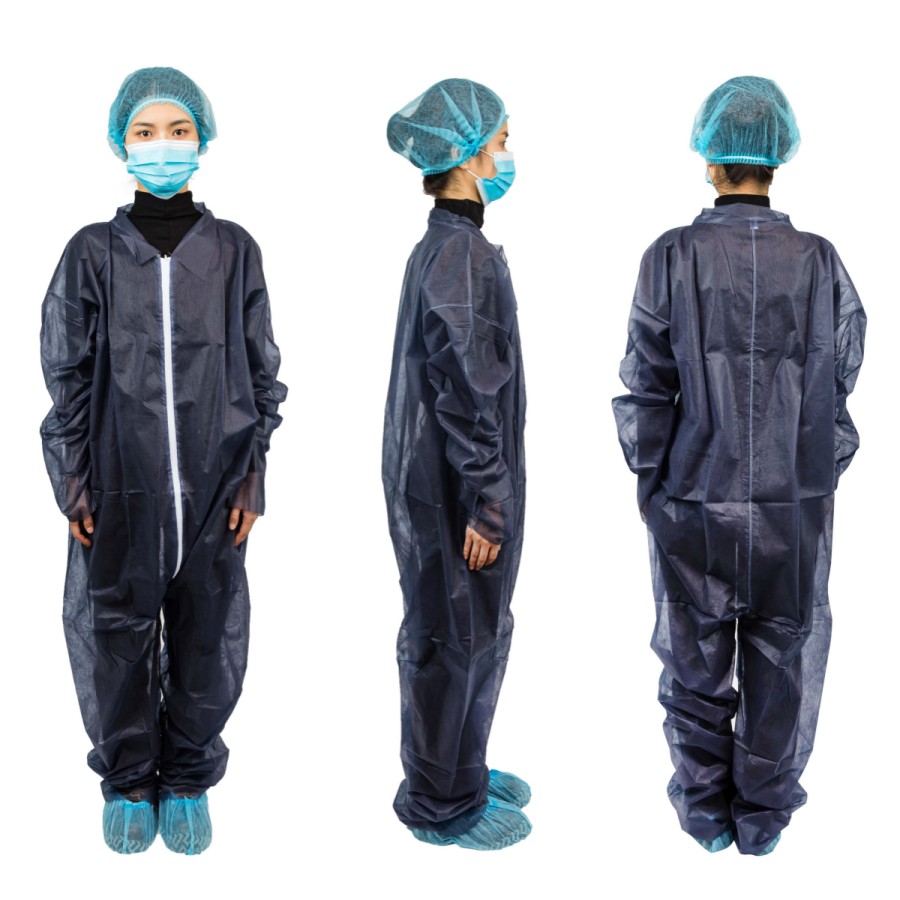
Gloves protect hands. Add simple gear to guard arms, feet, and body in splash zones.
- Keep sleeves dry with disposable plastic arm sleeve covers
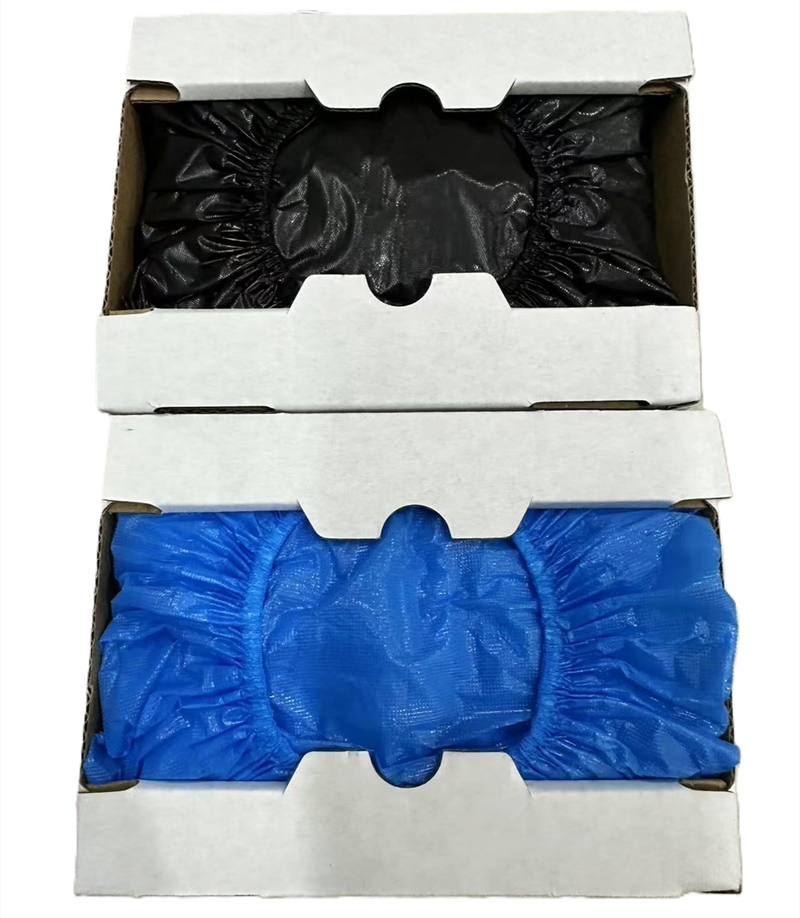
- Stop wet floors from reaching socks with disposable waterproof CPE shoe covers
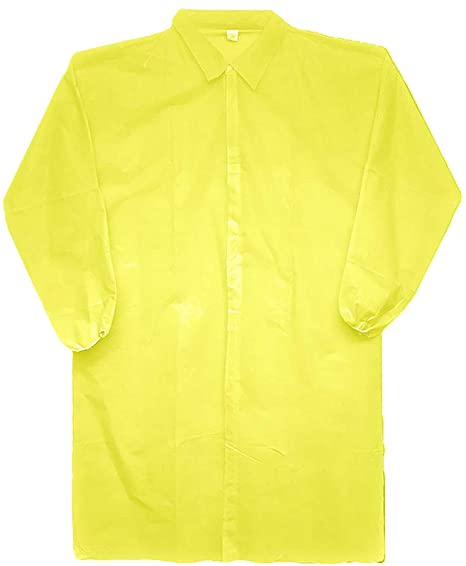
- Use fluid cover for messy jobs with Blue plastic isolation gowns, fluid resistant PE gowns
For short, low‑risk tasks, some teams stock a budget backup like a 使い捨てCPEプラスチック手袋
Storage and shelf life
Good storage keeps gloves strong and clean.
- Cool and dry
- Keep away from sun, heat, and steam rooms.
- Closed boxes
- Seal cartons to block dust and splash.
- First in, first out
- Use older cases first. Mark dates.
- No sharp shelves
- Avoid edges that nick boxes and cuffs.
Common mistakes to avoid
- Wearing one pair too long
- Old, wet gloves break and spread soil.
- Wrong size
- Too tight tears. Too loose slips.
- Touching the face or phone
- Hands pick up germs from devices and pass them on.
- Mixing zones
- Do not bring “restroom” gloves into a kitchen or office.
- Bad removal
- Tearing off fast can splash your skin.
Quick answers
- Do gloves replace hand wash?
- No. You still wash hands before and after glove use.
- How often should I change gloves?
- At least by task or room. Sooner if wet, torn, or dirty.
- What if staff have skin issues?
- Pick smooth, powder-free, and latex-free options. Keep hands dry between pairs.
- Are thicker gloves always better?
- Not always. Pick thickness for the task. Balance touch and barrier.
The bottom line
Great cleaning is safe, clean, and fast. High-quality disposable gloves make this possible every day. They lift safety, improve hygiene, and speed workflow. They help stop cross-contamination and protect the skin from chemicals and soil. When you plan well, train well, and stock the right sizes, you will feel the true value of gloves in every task.
This is the clear truth about the job: the impact of disposable gloves on safety and hygiene in professional cleaning is big. Choose the right glove. Change at the right time. Pair with simple add-ons like sleeves, シューズカバーそして ガウン. Store them well. Track use. With these steps, your team will work safer, cleaner, and with pride—on every shift.





 日本語
日本語  English
  العربية
  한국어
한국어  ไทย
ไทย  Español
  Português
  Русский
  Français