
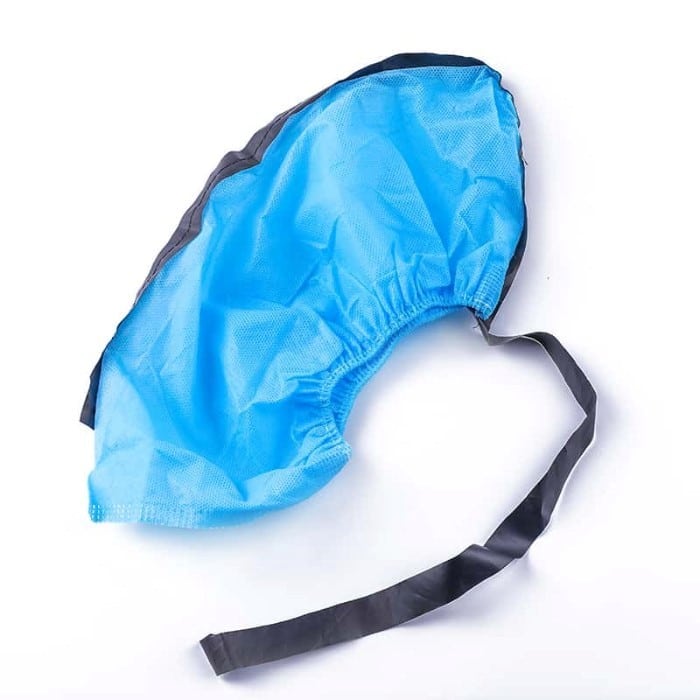
Ever felt a tiny zap? That’s static electricity! It can cause issues at work. So, special safety footwear 같은 conductive footwear 그리고 antistatic footwear helps with static electricity control. Let’s dive into electrical resistance footwear 그리고 ESD protection shoes to see how they stop static electricity risks in workplace safety.
What Are These Static-Safe Shoes?
Conductive shoes zap away static electricity fast with low electrical resistance. They’ve got conductive materials for quick static dissipation. But antistatic shoes slow the zap down using moderate electrostatic resistance 그리고 antistatic materials 에 대한 static discharge prevention. Both tackle static-sensitive environments with grounding footwear.
How Do They Work with Electrical Conductivity?
How do they help? Conductive soles with conductive polymers get rid of static in under 0.1 seconds for static shock prevention. Antistatic sole composition takes 1-5 seconds using static-dissipative properties. Both use grounding techniques in footwear 에 대한 electrostatic hazards mitigation.
Big Differences in Conductivity vs Resistance
Look at this table for shoe conductivity properties:
| Factor | Conductive Shoes | Antistatic Shoes |
| Resistance | Very low (<1 megohm) | Moderate (1-1000 megohms) |
| Static Control | Rapid release | Gradual release |
| Best For | Fire-risk spots | Avoiding personal zaps |
This shows conductivity levels comparison clearly.
Where Are They Used?
Conductive shoes fit risky zones like oil plants for industrial hazards prevention. Antistatic shoes work in labs for workplace static control. Both are key for industrial safety gear.
Which to Pick?
Choose conductive for dangerous areas with static electricity grounding. Go antistatic for light zap protection in static-controlled environments. Match your industrial workplace safety needs.




 한국어
한국어  English
  العربية
  日本語
日本語  ไทย
ไทย  Español
  Português
  Русский
  Français