
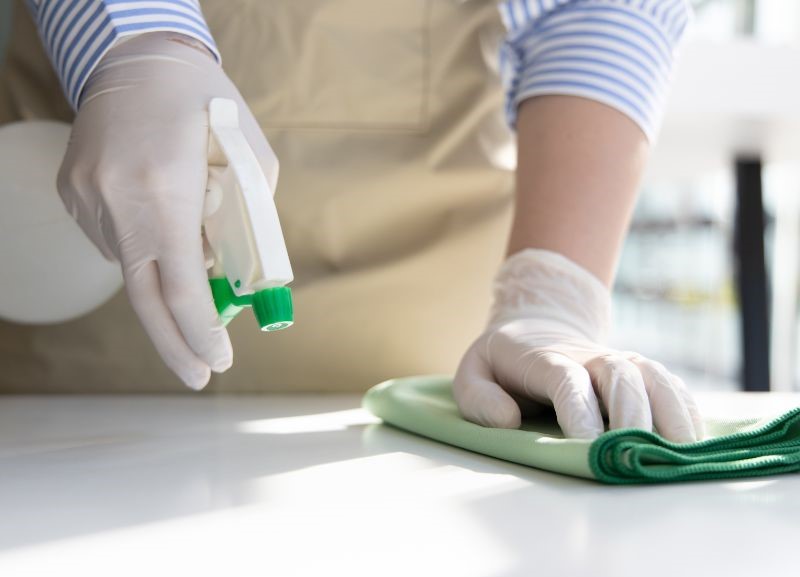
Exploring the Different Materials in Disposable Gloves for Various Industries helps you choose the right glove for the job. Not all disposable gloves are the same. Each material has its own strengths. Each industry has its own needs. When you match the glove to the task, you get better safety, better comfort, and better control.
Below is a simple guide you can use today.
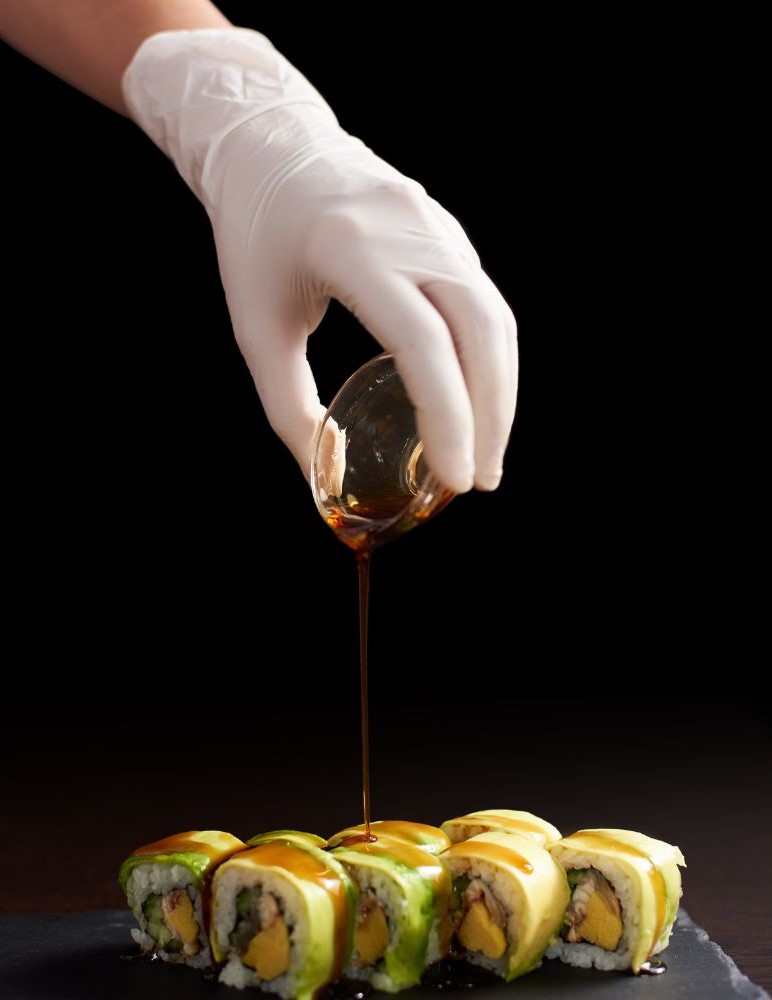
Why glove material matters
Glove material affects how a glove fits, feels, and protects. It also affects cost and ease of use.
- Barrier: blocks liquids, oils, and some chemicals
- Strength: resists tears and rips
- Stretch: fits hands well and moves with you
- Grip: holds tools in wet or dry work
- Allergy: some materials can cause skin issues
- Cost: price per pair and per shift
Pick the material that meets your top needs first. Then look at size, feel, and price.
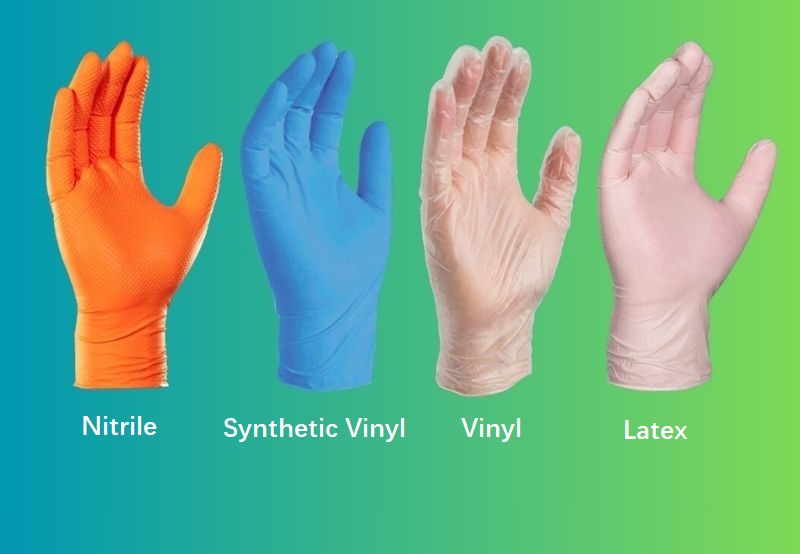
Main materials in disposable gloves
Here are the most common materials in disposable gloves. Each one has a clear use case.
- Latex gloves
- Made from natural rubber
- Great fit and high stretch
- Good for fine tasks and long wear
- Note: some users have latex allergy
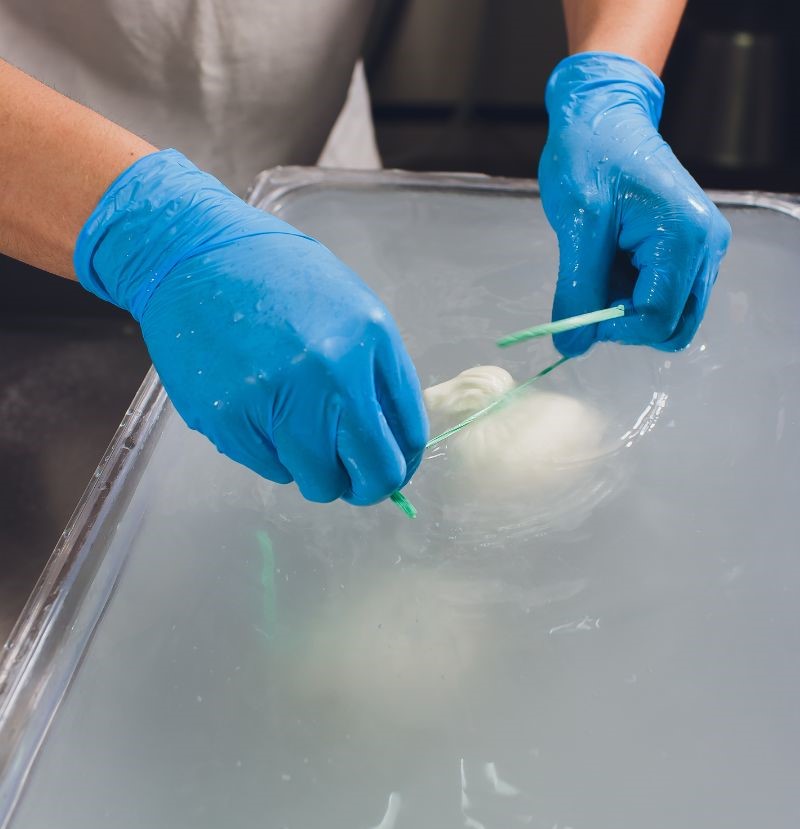
- Nitrile gloves
- Strong and puncture resistant
- Good grip and oil resistance
- Widely used in labs, mechanics, and cleaning
- A top pick when latex is not an option
- Vinyl gloves (PVC)
- Smooth and easy to put on
- Good for low risk, short tasks
- Often used in food service and light cleaning
- Lower stretch than latex or nitrile
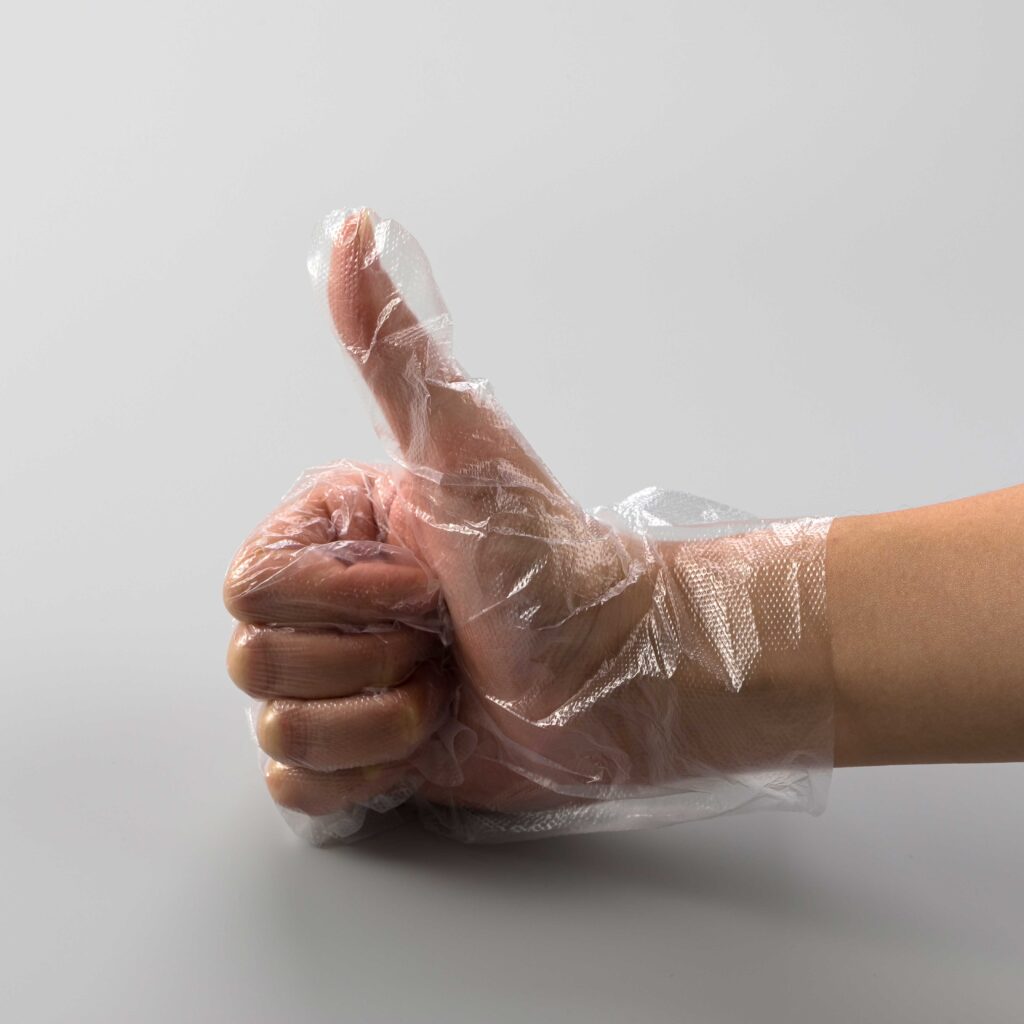
- PE, CPE, and TPE gloves (plastic family)
- Light, loose fit, quick to change
- Good splash and soil barrier
- Great for quick food tasks and line checks
- Cost friendly for high-turnover work
- See: Disposable CPE plastic glove for a simple, splash-safe choice
- Neoprene gloves
- Strong chemical and heat resistance for a disposable
- Good stretch and comfort
- Used in some lab and cleaning tasks
- Polyisoprene gloves
- Feel like latex with no natural rubber proteins
- Soft, high dexterity
- Often used in precise medical tasks
Each type can be made in different thickness, cuff length, and texture. These change the feel and protection level.
Fit, feel, and features
When exploring the different materials in disposable gloves for various industries, keep these points in mind:
- Thickness (mils)
- Thin: better feel, shorter wear
- Thick: stronger barrier, longer wear
- Texture
- Smooth: easy clean-up, less grip
- Textured fingers or full texture: better grip when wet
- Cuff style
- Standard: quick on/off
- Long cuff: extra splash guard on wrists
- Powder-free
- Less mess, better for food and clean areas
- สี
- Color-code by task or zone for fast checks
Best picks by industry
Choose gloves that match real jobs in various industries.
- Healthcare and dental
- Top needs: barrier, fit, comfort
- Good picks: nitrile, latex, polyisoprene
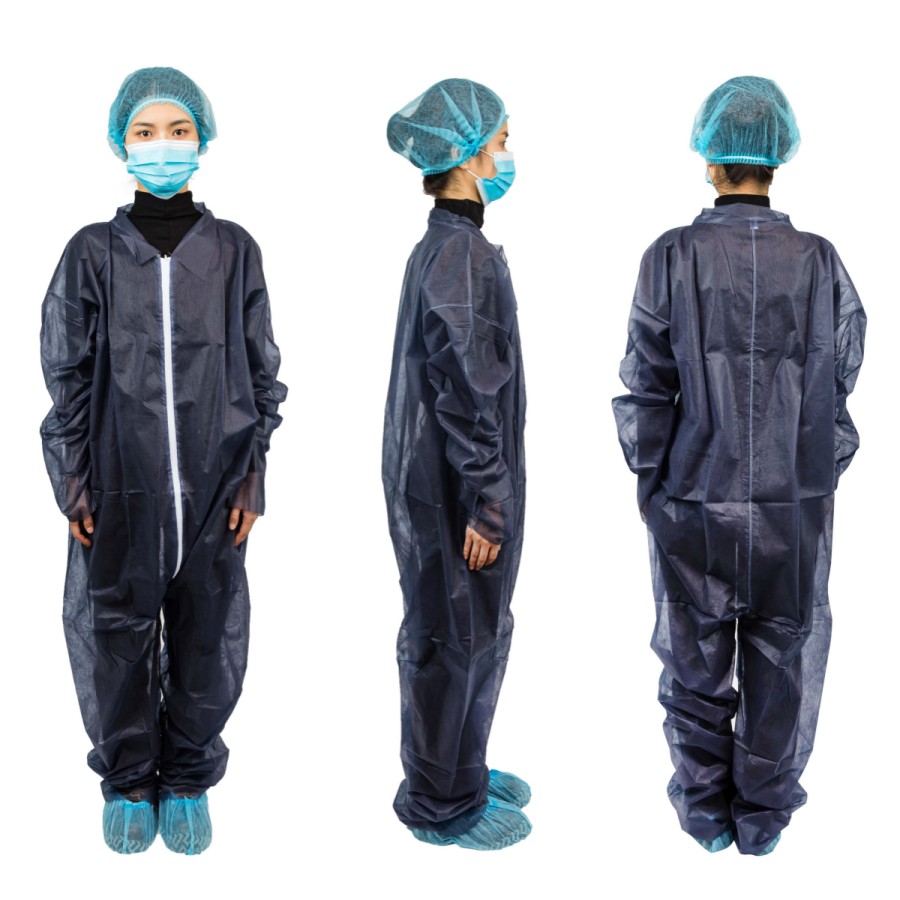
- Pair with clean room PPE like masks and gowns
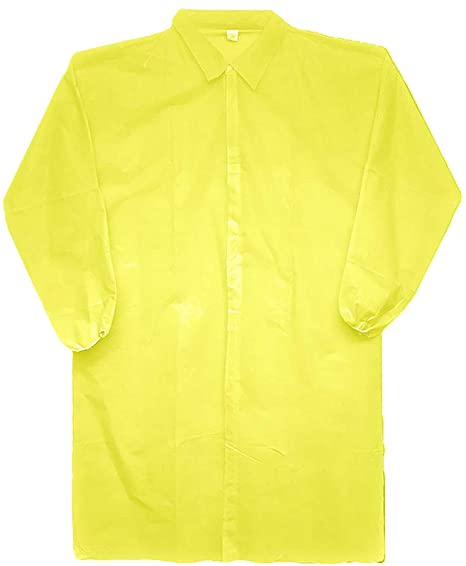
- For splash control in rooms, see: Blue plastic isolation gowns, fluid resistant PE gowns
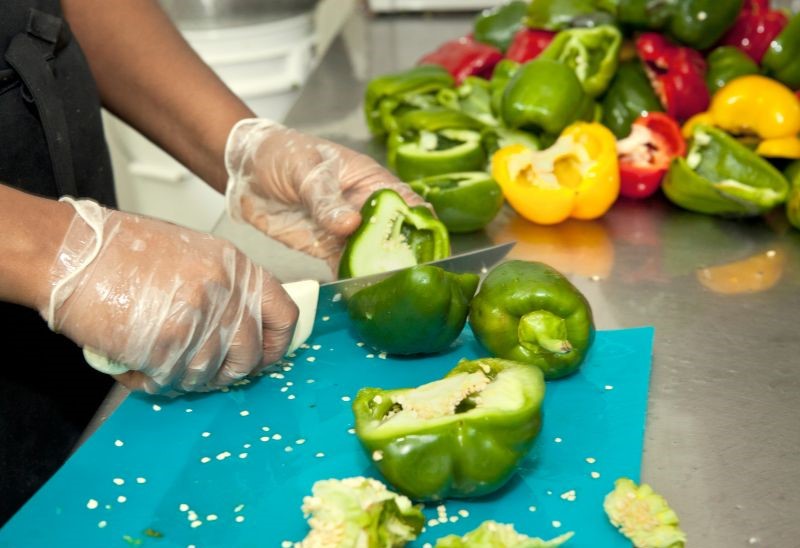
- Food processing and food service
- Top needs: fast swaps, hygiene, simple fit
- Good picks: PE, CPE, TPE, vinyl
- Color-code by line or product
- Add front splash cover: Disposable Plastic Apron for Food Processing Industry
- Cleaning and janitorial
- Top needs: chemical splash, puncture resistance
- Good picks: nitrile, neoprene, thicker vinyl
- Use texture for wet grip
- Beauty and salon
- Top needs: dye and chemical splash, comfort
- Good picks: nitrile, vinyl (short sessions)
- Choose colors that hide stains
- Laboratory and testing
- Top needs: fit, chemical barrier, low lint
- Good picks: nitrile, latex, neoprene
- Keep sizes clear for fast donning
- Light manufacturing and assembly
- Top needs: oil resistance, grip, puncture control
- Good picks: nitrile (textured), thicker vinyl for short tasks
- Quick-service counters and sampling
- Top needs: fast on/off, cost control
- Good picks: PE, CPE, TPE
- Try Disposable CPE plastic glove for quick changes

How to choose your glove in three steps
Use this simple plan:
- Match the hazard
- Splash only: PE/CPE/TPE or vinyl
- Oils/solvents: nitrile or neoprene
- Fine tasks: latex, nitrile, polyisoprene
- Set wear time
- Under 15 minutes: light PE/TPE or vinyl
- 15–60 minutes: standard nitrile or latex
- Over 60 minutes: thicker nitrile or neoprene
- Pick size and features
- Fit: S to XL for all staff
- Texture: better grip if hands get wet
- Cuff: longer for rinse areas
Donning and doffing basics
Keep it simple and safe.
- Donning
- Wash and dry hands
- Pick the right size
- Pull on gloves without stretching cuffs too hard
- Check for tears or holes
- Doffing
- Pinch the outside at the wrist
- Peel off inside out
- Hold in the gloved hand
- Slide clean fingers under the other cuff
- Peel off over the first glove
- Toss right away and wash hands
Post these steps on a wall card near each station.
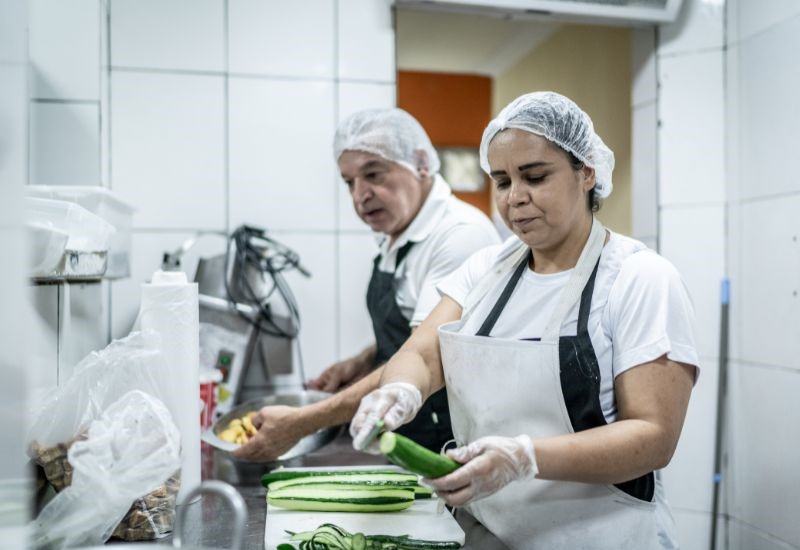
Comfort matters
Happy hands work better. Look for:
- Soft feel for long tasks
- Breathable back-of-hand on some styles
- Right size to avoid hand strain
- Low friction inside for easy on/off
If hands get tired, try a different size or material.
Hygiene and cross-control
Gloves help but are part of a set. Use the full kit in wet or clean zones.
- Front and lap splash: aprons
- Arms: sleeves
- Shoes: floor control with covers
Useful add-ons:
- Food line front cover: Disposable Plastic Apron for Food Processing Industry
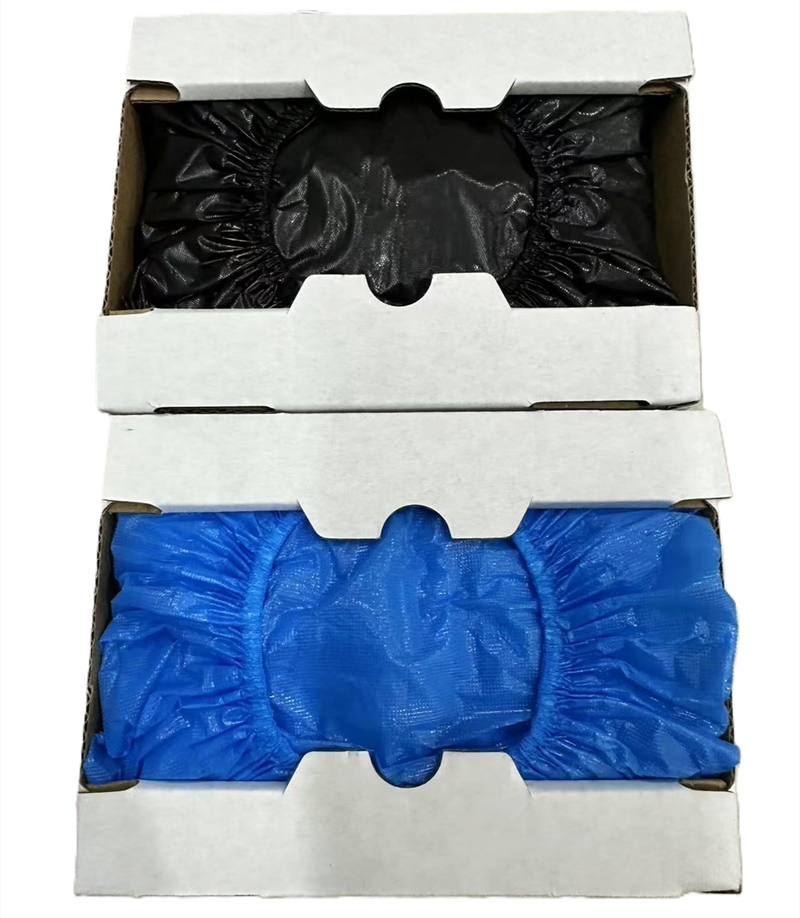
- Clean floors in visits: Disposable Shoe Booties
- Quick barrier for light tasks: Disposable non woven apron
Cost and supply planning
Plan stock the smart way.
- Pick 2–3 glove types to cover all tasks
- Color-code by zone or job
- Use sizes S–XL (or 2XL if needed)
- Stage boxes at point of use
- Rotate stock using FIFO
- Track tears per 1,000 and swaps per shift
Small checks prevent big waste.
Common questions
- Which gloves last the longest?
- Thicker nitrile or neoprene last longer than thin vinyl or PE gloves.
- What if staff have latex allergy?
- Use nitrile, vinyl, CPE, TPE, or polyisoprene.
- Do I need textured gloves?
- Yes, in wet or oily work. Texture helps grip.
- Which gloves are best for fast food changes?
- PE, CPE, or TPE are quick and cost friendly.
- What color should I choose?
- Use color to mark zones or to hide stains (blue/black for dyes and oils).
Quick checklist for buyers
- Task: splash, oil, or fine work?
- วัสดุ: latex, nitrile, vinyl, PE/CPE/TPE, neoprene, or polyisoprene
- Thickness: thin for feel, thick for strength
- Texture: needed for wet grip?
- Cuff: standard or long
- Size range: S–XL on hand
- สี: by zone or task
- Stock plan: FIFO, clear labels
- Add-ons: apron, sleeves, shoe covers
Final thoughts
You are exploring the different materials in disposable gloves for various industries to make work safer and smoother. Start with the task, pick the right material, then tune the fit and features. In food lines, choose fast-swap options like PE, CPE, or TPE. In labs and cleaning, go with nitrile, neoprene, or latex if safe. In short tasks, vinyl can work well.
Use the right support gear too. A plastic apron for food processing, fluid resistant isolation gowns, and disposable shoe booties help keep areas clean and staff ready. With smart picks and simple habits, your teams can work with confidence, shift after shift.




 ไทย
ไทย  English
  العربية
  日本語
日本語  한국어
한국어  Español
  Português
  Русский
  Français