
Wholesale nitrile gloves are a must for many teams. They help in healthcare. They help in industrial use. Good gloves keep hands safe. Good gloves help cut risk. This guide explains the quality standards that matter. It uses simple steps you can follow when you buy and use gloves at scale.
What are nitrile gloves?
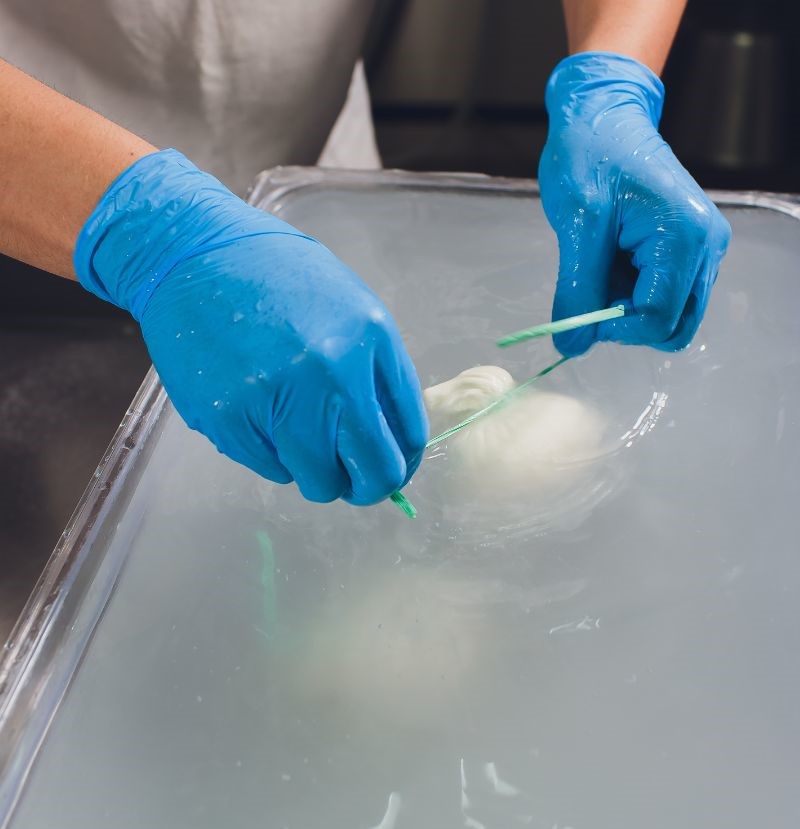
Nitrile gloves are latex-free. They are made from a strong synthetic rubber. They are puncture-resistant. They fit well. They work for many chemicals and oils. This is why wholesale nitrile gloves for healthcare and industrial use are so popular.
Key traits:
- Latex-free to lower allergy risk
- Powder-free for clean rooms and care areas
- Strong grip with textured fingertips
- Good fit and easy to put on and take off
- Durable under daily work

Why buy wholesale?
Buying wholesale nitrile gloves helps your team in many ways.
- Cost control: Bulk buys cut unit cost.
- Steady supply: You keep work moving.
- Lot tracking: One lot per shift is easy to trace.
- Lean storage: Pack by size and color for fast pulls.
Quality standards you should check
You do not need a long list of rules. Focus on a few quality standards that matter most.
- Material purity
- Gloves should be made with clean nitrile.
- No bad odor. No sticky feel.
- Thickness and weight
- Check palm and finger thickness.
- Thicker gloves last longer but may lower feel.
- Balance touch and durability for your task.
- Pull strength
- Good gloves stretch and do not snap.
- They return to shape after use.
- Tear and puncture
- Gloves should resist tears.
- They should fight puncture from small sharp points.
- Barrier integrity (AQL)
- A common test checks for pinholes.
- A lower AQL number means fewer holes.
- Match the AQL to your task risk.
- Chemical resistance
- Check if the glove can handle your chemicals, oils, or solvents.
- Longer tasks may need thicker gloves or double gloving.
- Grip and texture
- Textured fingertips help in wet work.
- Full-hand texture helps with tools.
- Fit and sizing
- Size from XS to XL at least.
- A good fit means less finger fatigue.
- Clean finish
- Powder-free is best for care and clean lines.
- Low particulate makes cleanup easy.
- Color coding
- Use colors by task or unit.
- Dark colors help spot tears in light parts.
- Light colors help spot soil in dark parts.

Medical grade vs industrial grade
Both types are nitrile gloves, but the use is not the same. Pick what fits your job.
- Medical grade
- Made for patient care, labs, and clean work.
- Strong barrier and low pinholes.
- Powder-free, latex-free, smooth inside.
- Good for healthcare tasks.
- Industrial grade
- Made for mechanics, manufacturing, and cleaning.
- Good chemical and oil holdout.
- Focus on grip, durability, and tear control.
- Good for industrial use tasks.
Tip: Some teams use both. Use medical grade for patient tasks. Use industrial grade for harsh work with tools and fluids.
How to pick the right glove for your task
Use this short plan to choose well.
- List your risks
- Blood or body fluids? Choose high barrier.
- Oils or solvents? Choose strong chemical holdout.
- Sharp parts? Choose higher puncture and tear strength.
- Set the right thickness
- Light work: thin gloves for touch and feel.
- Heavy work: thicker gloves for longer life.
- Choose texture and grip
- Wet or oily tools need strong texture.
- Select size range
- Keep full sizes in stock.
- Train staff to pick the right size fast.
- Test a sample
- Try on. Pull hard. Flex fingers.
- Use with real tools and fluids.
- Check for odor and skin feel.

Storage, shelf life, and use
Good gloves can go bad if stored wrong. Keep them safe.
- Store cool and dry
- Keep away from heat and sun.
- Do not place near ozone sources (like old motors).
- Rotate stock
- First in, first out.
- Mark boxes by lot and date.
- Use once
- Single-use only.
- Change if torn, sticky, or dirty.
- Hand care
- Dry hands before use.
- Avoid sharp rings or nails.
Simple testing you can do on site
You can run quick checks on your wholesale nitrile gloves.
- Pull test
- Pull the cuff. It should stretch, not snap.
- Water fill test
- Fill with water. Tie the cuff. Watch for leaks.
- Grip test
- Pick up small wet parts. Feel the texture.
- Chemical spot test
- Dip a fingertip for a set time (per your policy).
- Check for swell or soft spots.
- Fit test
- Make a fist. Check blood flow at finger tips.
- Gloves should not pinch.
Use cases in healthcare
In healthcare, wholesale nitrile gloves help keep care safe.
- Patient exams and wound care
- Lab work and sample handling
- Cleaning and disinfection of rooms
- Food prep in care units
Pair your gloves with the right PPE for full cover:
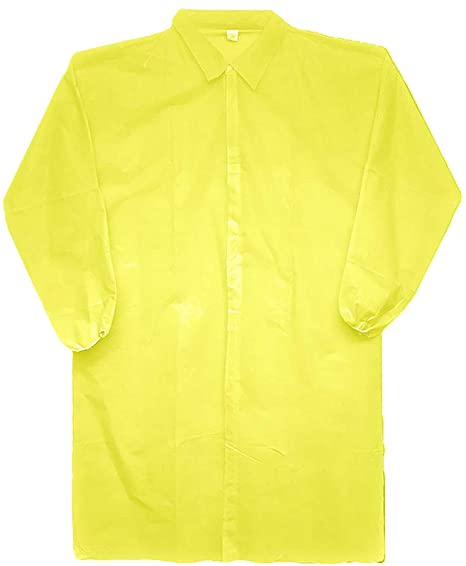
- Add splash cover with these fluid resistant isolation gowns: Blue plastic isolation gowns, fluid resistant PE gowns
- Protect forearms with PPE protective sleeves: PPE protective sleeves, disposable arm sleeve cover
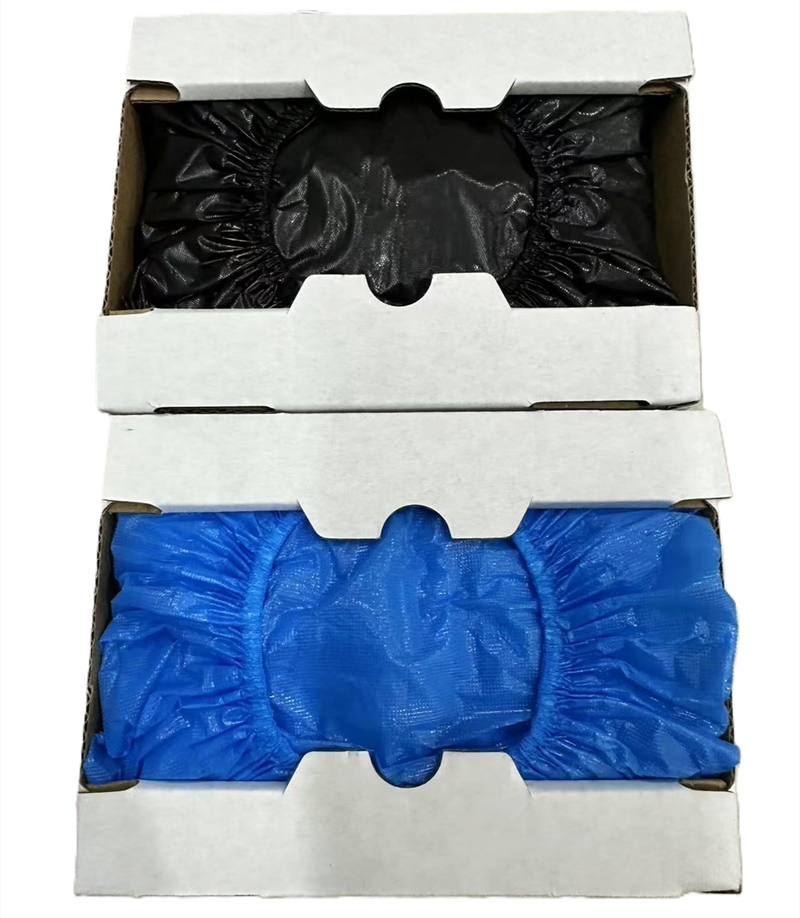
- Improve floor safety with non slip hospital shoe covers: Disposable non slip hospital shoe covers
Use cases in industrial work
In industrial use, wholesale nitrile gloves help with:
- Assembly lines and light machining
- Auto repair with oils and grease
- Cleaning with solvents and detergents
- Paint and sealant tasks
For wet or messy jobs, you can also stock a low-cost backup like a disposable CPE plastic glove for brief tasks: Disposable CPE plastic glove
Questions to ask your supplier
A few clear questions can help you pick the best wholesale nitrile gloves for healthcare and industrial use:
- What is the glove’s thickness at the palm and fingers?
- What is the tested AQL for pinholes?
- How does it perform in chemical splash tests for our listed fluids?
- Is it powder-free and latex-free?
- What sizes and colors are in stock for wholesale orders?
- What is the lot and date on each case?
- Can we get samples for fit and grip tests?
Training and safe use tips
Short training keeps hands safe and lowers waste.
- Before use
- Wash and dry hands.
- Pick the right size and grade.
- During work
- Change gloves if torn, sticky, or soaked.
- Do not touch your face or phone.
- After use
- Peel off from the cuff.
- Turn inside out as you remove.
- Toss in the right bin.
- Wash hands again.
Common mistakes to avoid
- Using the wrong grade
- Do not use light exam gloves for harsh solvents.
- Wrong size
- Too tight gloves tear fast. Too loose gloves slip.
- Bad storage
- Heat and sun can make gloves weak.
- Overuse
- Single-use gloves are not for long reuse.
Final thoughts
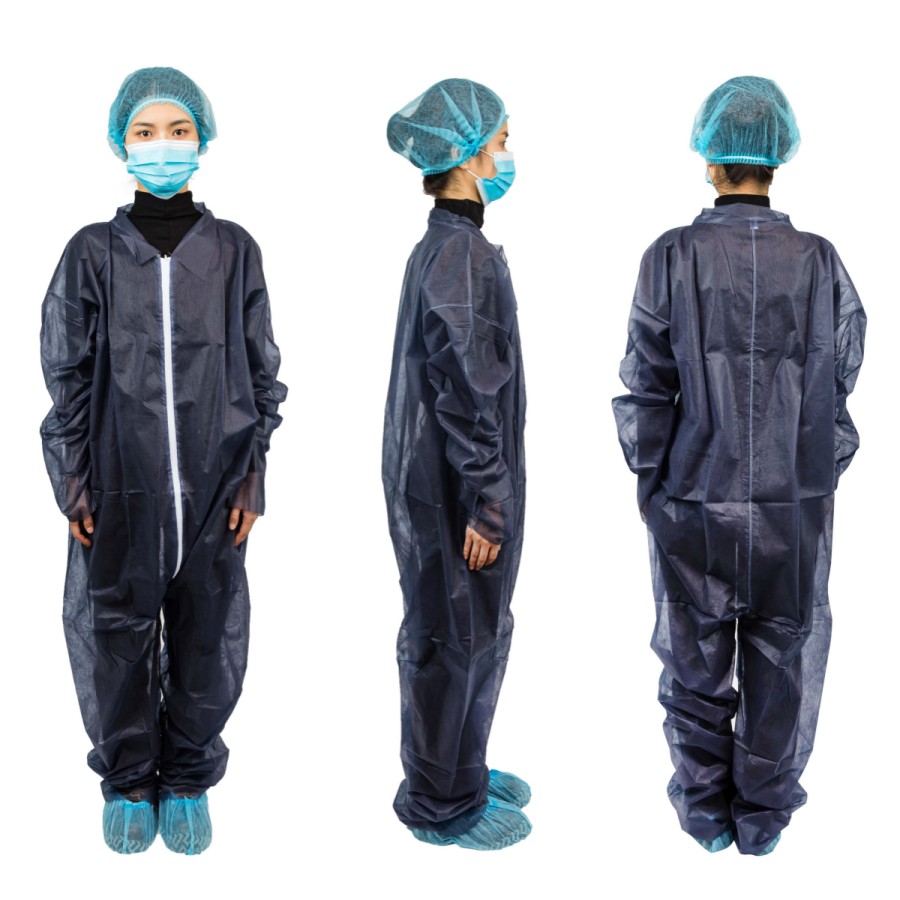
Understanding the quality standards in wholesale nitrile gloves for healthcare and industrial use helps you buy smart and stay safe. Focus on material purity, thickness, pull strength, tear and puncture resistance, AQL, chemical resistance, grip, and fit. Choose the right medical grade or industrial grade for the task. Store gloves well. Test samples. Train your team. Pair gloves with the right PPE to protect arms, body, and feet.
When you follow these simple steps, your wholesale nitrile gloves program will be strong, safe, and ready for the work ahead.





 ไทย
ไทย  English
  العربية
  日本語
日本語  한국어
한국어  Español
  Português
  Русский
  Français