
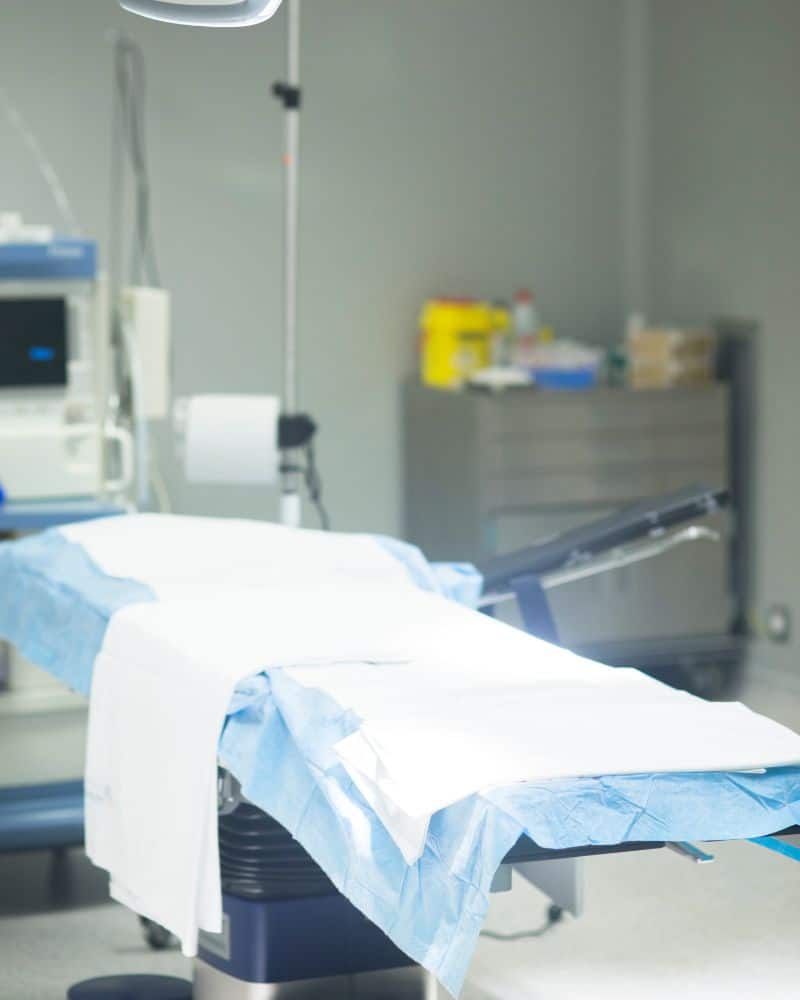
Clean care starts with clean surfaces. Advanced multi-layered impervious table sheets in healthcare protect tables and protect people. They help stop spills. They raise comfort for patients. They save time for staff. This guide explains what they are, why they matter, and how to use them the right way.
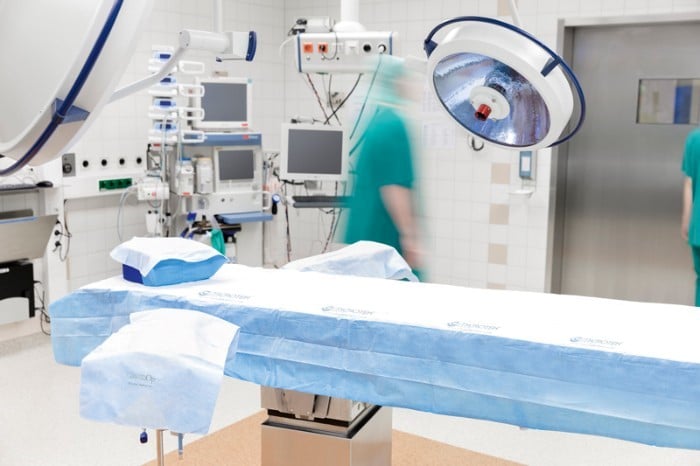
What are advanced multi-layered impervious table sheets?
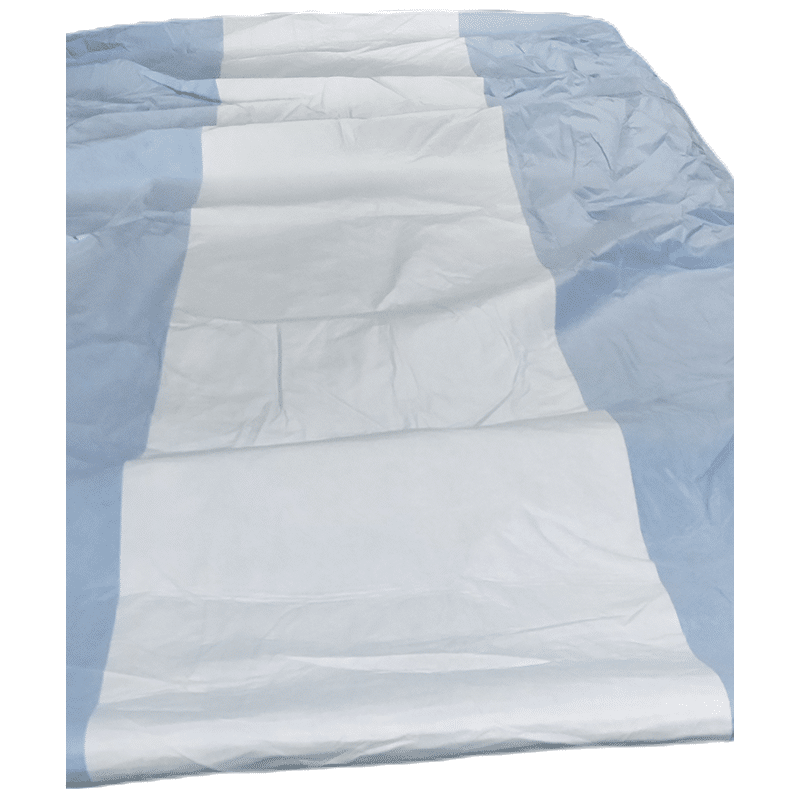
Advanced multi-layered impervious table sheets are single-use sheets for exam and procedure tables. They use several layers that work together. Each layer has a job. The top layer feels soft. The center adds strength. The bottom layer is impervious and blocks fluids.
Common build:
- Soft top layer for skin comfort and quick wicking
- Absorbent core to hold fluids in place
- Strength layer to resist tears
- Impervious film to stop leaks and stains
- Anti-slip back to help the sheet stay put
These table sheets are used in healthcare rooms that need fast turns and high hygiene.
Why impervious protection matters
In busy care, spills can happen fast. A strong impervious barrier:
- Blocks blood, saline, and other fluids
- Helps reduce cross-contamination
- Protects the table foam and seams
- Cuts deep cleaning time between patients
Le multi-layered build holds the spill on top. It keeps the table dry below. You can remove the sheet and reset the room in minutes.
Comfort meets safety
Great care should feel safe and calm. Advanced sheets do both:
- Soft-touch surface feels gentle on skin
- Quiet handling lowers noise in the room
- Fast wicking keeps the surface dry to the touch
- Anti-slip back helps patients feel stable
- Edge control reduces roll or bunch
These small details add up to better comfort and better safety.
Where to use table sheets in healthcare
Use multi-layered impervious table sheets in many areas:
- Exam rooms for daily visits
- Procedure rooms for minor care
- Imaging on flat tables and pads
- Emergency for fast turnover
- Outpatient units with steady flow
- Maternity et pediatrics for gentle comfort
For rooms that also need fitted linens, see these helpful options:
- Try waterproof protection with disposable plastic bed sheets waterproof
- Add color-coded covers with non woven colorful waterproof PP+PE bed covers
Key features to look for
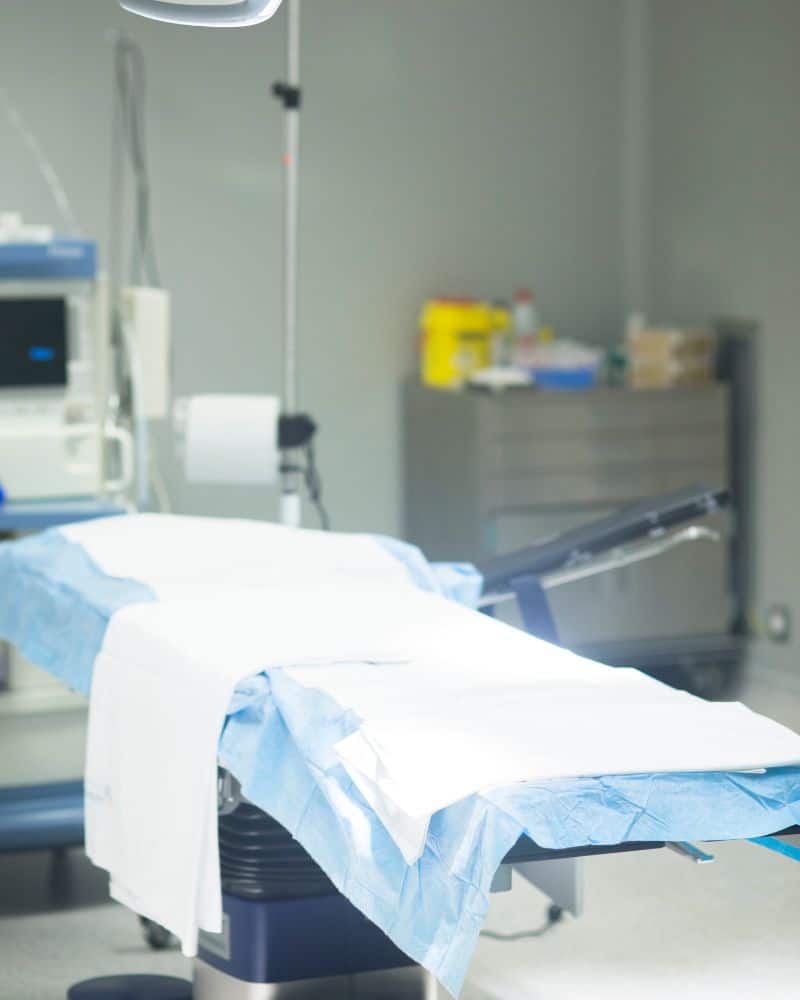
Choose features that match your tasks and risks.
- Layer design
- A soft top to wick and comfort
- Un absorbent center to hold fluid
- Un impervious film to block leaks
- La force
- Tear and puncture hold in the core layer
- Strong seams or edges that do not fray
- Sizing
- Full-length sheets for full table cover
- Half sheets for small areas or quick turns
- Rolls with perforation for easy pull and tear
- Surface control
- Textured back for grip
- Low lint top for clean work
- Disposal
- Folds cleanly, with fluid locked inside
- Fits standard waste bins
Need flexible supply for exam days? Consider a PP+PE bed sheet roll for hospital examination: Rouleau de drap de lit jetable en PP+PE pour l'examen hospitalier
How multi-layered design improves performance
Each layer adds a benefit:
- Le top layer moves liquid into the core, so the surface stays drier
- Le absorbent core spreads and holds fluid to reduce pooling
- Le strength layer helps stop rips during turns
- Le impervious film keeps the table clean and dry
- Le backing lowers slip and bunch
This advanced build helps the sheet work under real stress, not just in tests.
Setup and use: simple steps
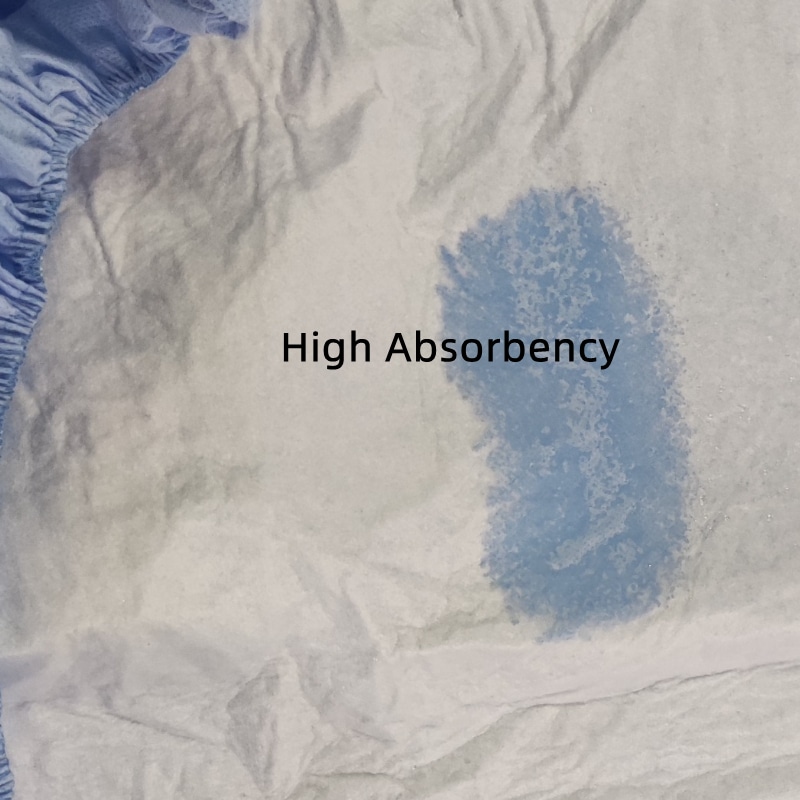
Make room turns safe and fast with a clear routine.
- Clean hands and don gloves
- Remove waste from the last case
- Wipe the table with your normal cleaner
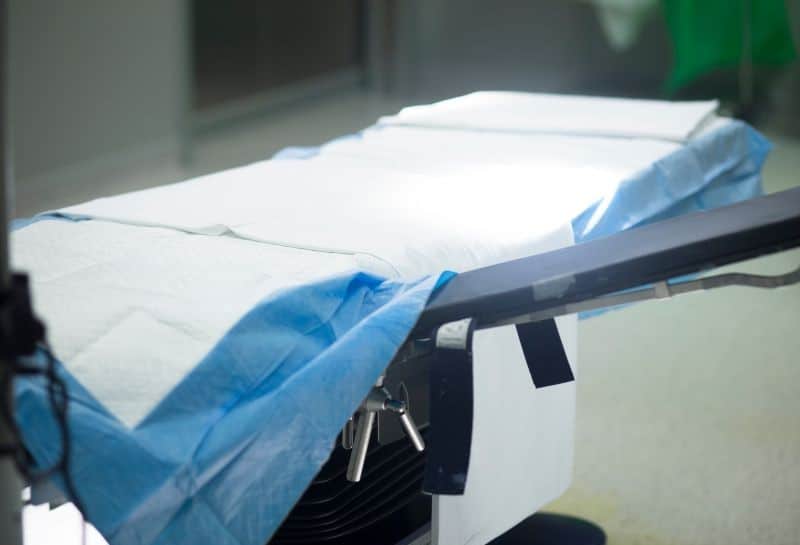
- Place the sheet
- Align the head end first
- Smooth toward the foot
- Tuck edges if needed
- Check grip
- Make sure there is no fold under the hip or shoulder
- After use
- Fold corners inward
- Roll the sheet into itself
- Place in the correct waste bin
- Wipe down
- Clean touch points
- Lay a new sheet for the next patient
Tip: Change sheets between every patient. Do not reuse single-use sheets.
Picking the right table sheet for your unit
Match the sheet to your daily work.
- Low fluid risk
- Thin multi-layered sheet with soft top
- Good for basic exams
- Moderate fluid risk
- Medium core with stronger film
- Good for minor procedures
- High fluid risk
- Higher absorbency and thick film
- Add drapes if needed
- Long procedures
- Soft top and low-noise layers
- Strong back grip for position holds
- Sensitive skin
- Extra soft non woven top
- Low lint and smooth finish
For extra absorbency plus barrier, explore a multi-layered disposable bed cover with pad. For full bed sets, consider disposable waterproof SMS+PE bed linens.
Efficiency and cost control
Strong sheets help teams do more in less time.
- Faster turnover with quick laydown and quick removal
- Less deep cleaning when the film stays intact
- Fewer table repairs because foam and seams stay dry
- Right-size choices reduce waste from over-large sheets
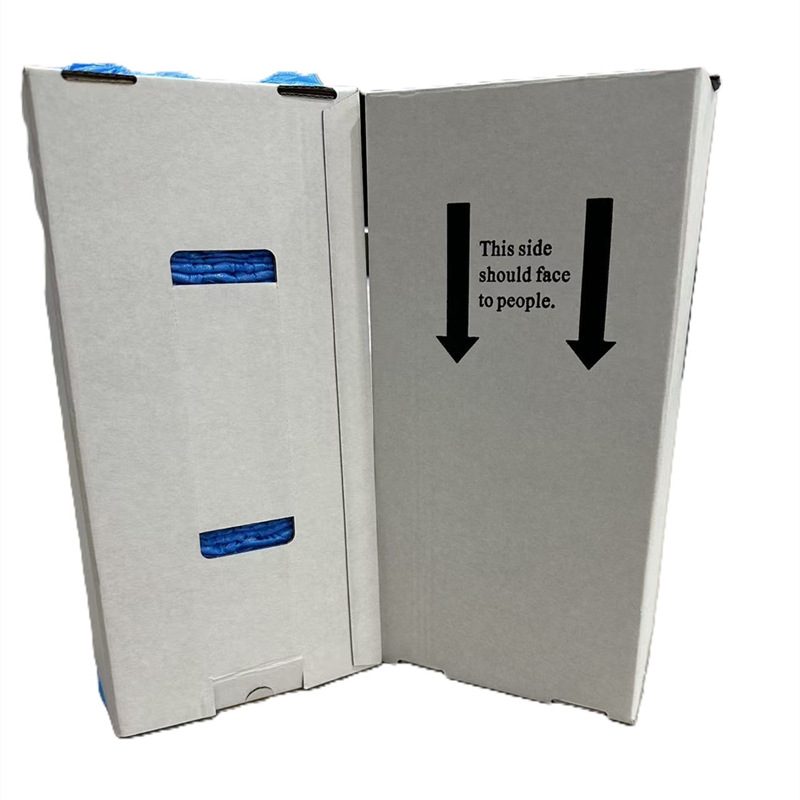
Order in case packs for steady stock. Use first in, first out to keep supply fresh.
Storage and handling
Protect sheet quality with simple care.
- Store in a cool, dry area
- Keep away from sun and heat
- Do not crush boxes on sharp shelves
- Keep cartons sealed to block dust
- Train staff to pull from the top, not the bottom
Safety best practices
Make safety a habit in every room.
- Use a fresh sheet for each patient
- Replace at once if torn or soaked
- Fold in on itself before disposal
- Keep bins close to the table
- Pair with gloves and gowns when splash risk rises
Add body splash cover as needed:
- Use fluid resistant gowns for messy tasks: Blue plastic isolation gowns, fluid resistant PE gowns
Environmental notes
Single-use sheets protect people and surfaces. You can still act with care.
- Pick the right size for the table
- Use half sheets when it is enough for the task
- Buy case packs to cut extra wrap
- Follow local rules for waste streams
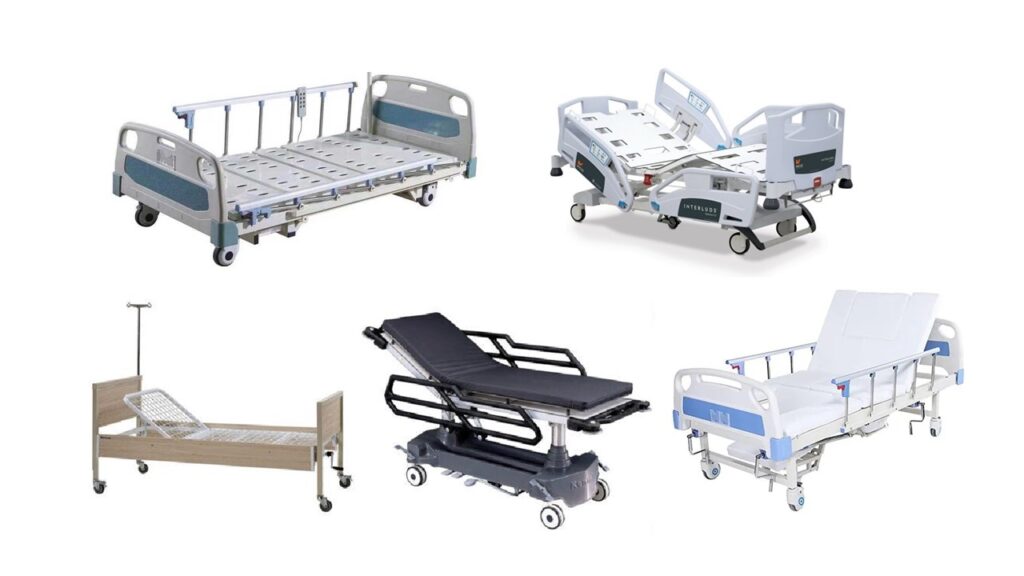
Common mistakes to avoid
- Using a sheet that is too small for the table
- Letting folds bunch under pressure points
- Reusing a jetable sheet
- Waiting to change a soaked sheet
- Poor storage in heat or sun
- Skipping the wipe-down step after removal
Quick checklist for buyers
Use this list to choose well:
- Daily fluid risk: low, medium, or high?
- Patient size and weight range?
- Table length and width?
- Need full-length ou half coverage?
- Desired top feel: extra soft or standard?
- Grip need: high or normal?
- Pack type: rolls or pre-cut?
If you also cover beds and stretchers, see:
- Pre-cut options for clean setups: Draps plats non tissés jetables
Final thoughts
Advanced multi-layered impervious table sheets in healthcare help teams work safer and faster. The multi-layered build brings comfort, absorbencyet impervious control to every room. Pick the right size and strength for your tasks. Store them well. Train the team. Change between patients. With these steps, you will enhance sécurité et confort for patients and staff every day.




 Français
  English
  العربية
  日本語
日本語  한국어
한국어  ไทย
ไทย  Español
  Português
  Русский