

Choosing the right glove matters. Your hands need safe, clean, and strong cover. This guide explains the key points in simple steps. It shows how to pick between latex gloves e vinyl gloves. It also shares how to buy, store, and use them well.
What are latex gloves?
Latex gloves are made from natural rubber. They feel soft and close to the skin. They have a snug fit. They can stretch a lot. They give great touch feel for fine tasks.
Key points:
- Great fit e high stretch
- Good grip for wet tools
- Strong barrier for daily tasks
- May cause a latex allergy in some people
- Frequentemente powder-free for clean work
What are vinyl gloves?
Vinyl gloves are made from PVC. They are smooth and easy to put on. They are a low-cost choice for light, short tasks. They do not have latex.
Key points:
- Latex-free choice
- Loose fit and easy donning
- Good for low-risk and short wear
- Lower stretch e puncture strength
- Often used in serviço alimentar e cleaning
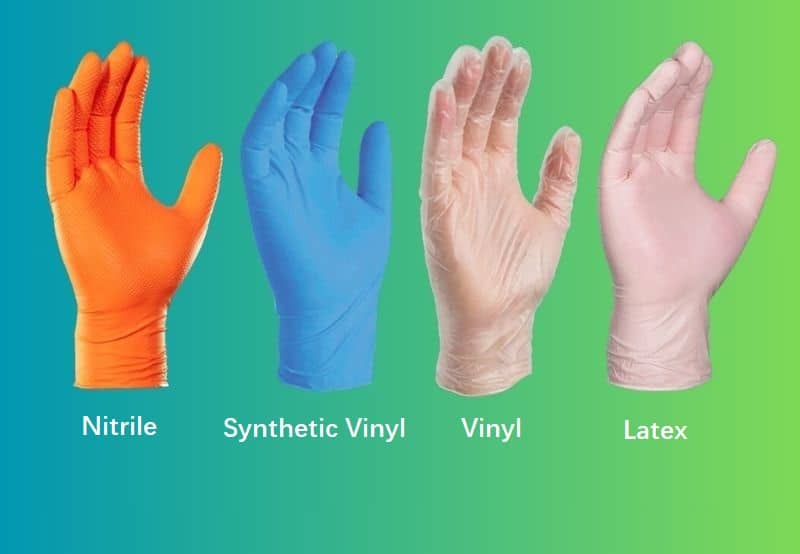
Latex gloves pros and cons
Benefícios:
- Best fit and feel for your fingers
- Strong stretch to resist tears
- Good barrier for many tasks
- Textured options for better grip
Limits:
- Can trigger latex allergy
- May cost more than vinyl
- Not ideal for some oils e solvents
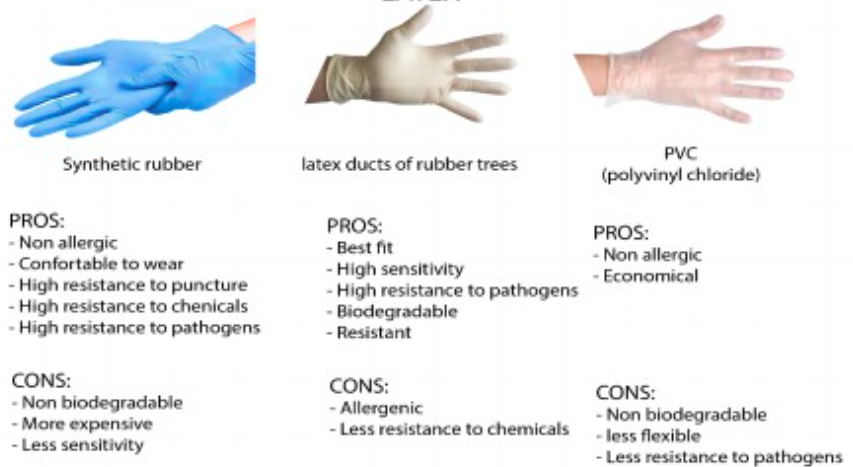
Vinyl gloves pros and cons
Benefícios:
- Budget-friendly for high use
- Latex-free for those with allergies
- Quick on, quick off for short tasks
- Good for food prep and wipe down jobs
Limits:
- Lower stretch and may tear with force
- Looser fit can reduce feel
- Not the best for high-risk work
Latex gloves vs vinyl gloves: the core differences
- Fit and comfort
- Latex: snug and soft, like a second skin
- Vinyl: looser fit, easy on and off
- Stretch and strength
- Latex: high stretch, better tear control
- Vinyl: low stretch, can tear under pull
- Barrier and puncture
- Latex: strong barrier e puncture hold
- Vinyl: fair barrier for short, low-risk tasks
- Touch feel
- Latex: top touch feel for fine work
- Vinyl: basic feel for simple tasks
- Allergy
- Latex: risk for latex allergy
- Vinyl: latex-free
- Custo
- Latex: often higher
- Vinyl: cost-effective
- Use time
- Latex: better for longer wear
- Vinyl: best for short wear and quick changes

Best uses for latex gloves
- Patient care e exams
- Dental e lab tasks that need fine touch
- Cleaning where grip and stretch matter
- Jobs with frequent hand moves and tool use
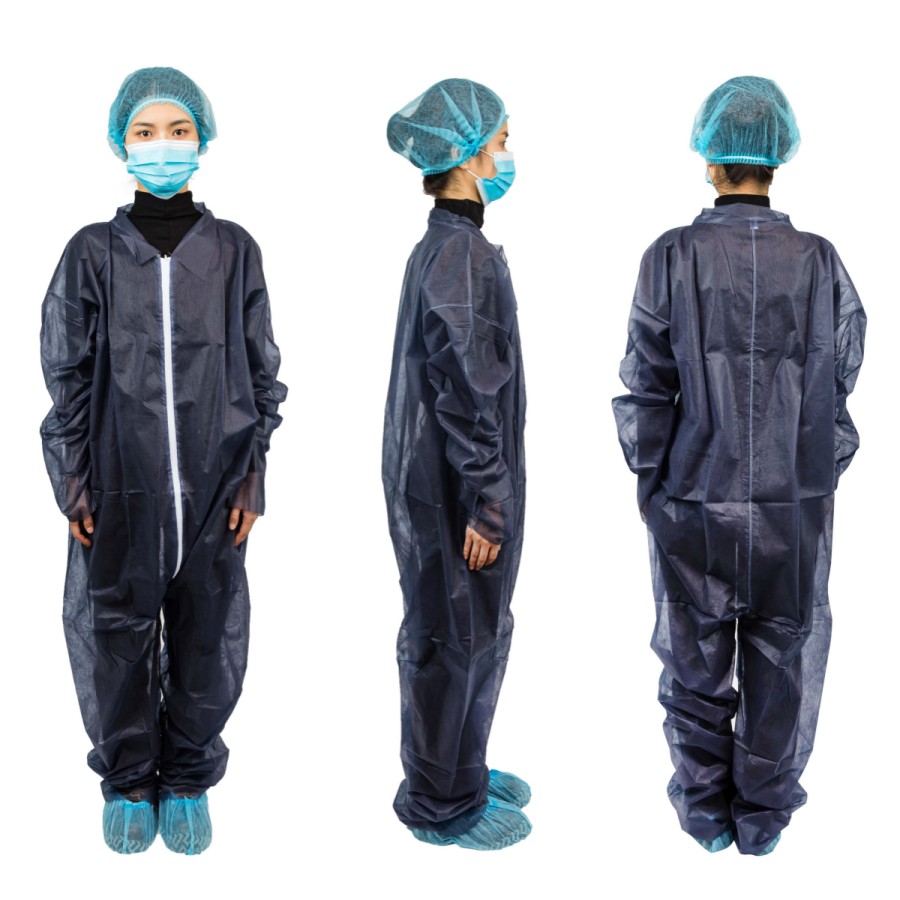
Add body and arm cover for splash and dust:
- Pair with fluid resistant isolation gowns: Blue plastic isolation gowns, fluid resistant PE gowns
- Add PPE protective sleeves for forearm cover: PPE protective sleeves, disposable arm sleeve cover
Best uses for vinyl gloves
- Food service e food prep
- Janitorial wipe downs and light cleaning
- Beauty e spa tasks with short contact
- Jobs that need fast glove changes all day
For full splash cover in food lines, add an apron:
- Use a Avental de plástico descartável para a indústria alimentar: Avental de plástico descartável para a indústria alimentar
Safety levels and picking the right risk match
Think about the task risk. Then pick the glove.
- High touch, high control
- Choose latex gloves
- You get snug fit and top touch feel
- Low-risk, short tasks
- Choose vinyl gloves
- Save cost and change often
- Allergy risk in your team
- Choose latex-free options like vinyl gloves
- Wet or oily tools
- Latex with texture helps grip
- If oil is strong, test a sample first

Cost and supply planning
- Vinyl gloves can cut cost for short jobs
- Latex gloves can cut waste by lasting longer on hand
- Buy in wholesale cases for stable stock
- Keep sizes split by color or label for fast pick
For spill backup or very short jobs, stock extras:
- Keep a box of Luva de plástico CPE descartável for quick tasks: Luva de plástico CPE descartável
Storage, shelf life, and use
Good storage keeps gloves strong.
- Keep cool and dry
- Avoid sun and heat
- Rotate stock
- First in, first out
- Use once
- Change if torn, sticky, or dirty
- Hand care
- Trim nails and remove sharp rings

Quick answers
- Which lasts longer?
- Frequentemente latex gloves, due to stretch and fit.
- Which is best for food?
- Vinyl gloves are common for short food prep tasks.
- Which has better touch feel?
- Latex gloves.
- Which is best for latex allergy?
- Vinyl gloves são latex-free.
- Which is cheaper?
- Vinyl gloves often cost less per pair.
The bottom line
When we look at latex gloves vs vinyl gloves, the choice is about risk, fit, and cost.
- Pick latex gloves for snug fit, strong stretch, and fine touch.
- Pick vinyl gloves for short, low-risk jobs and for latex-free needs.
- Stock both if your site runs many task types.
- Test samples, train staff, and store well.
With the right glove for the right job, your team works safer, cleaner, and faster every day.





 Português
  English
  العربية
  日本語
日本語  한국어
한국어  ไทย
ไทย  Español
  Русский
  Français