
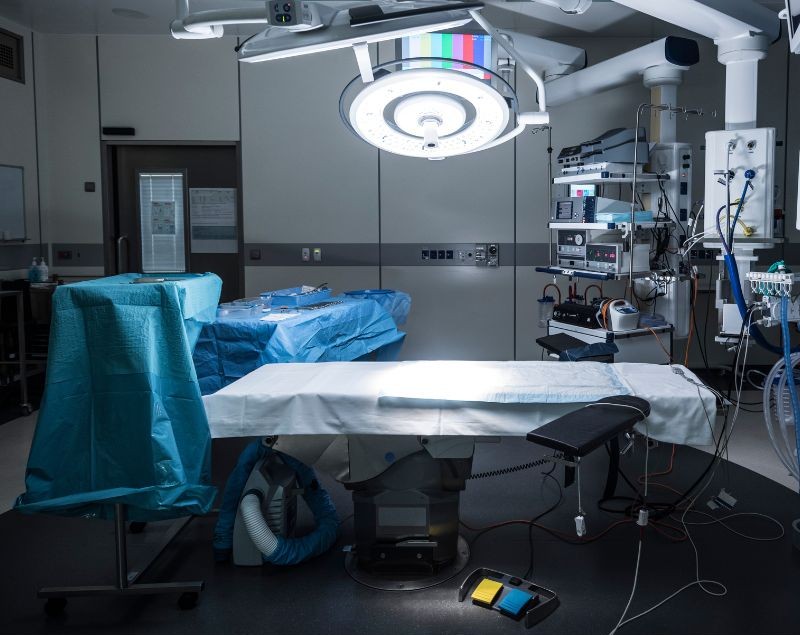
The Role of Surgical Table Covers in Infection Control and Patient Safety is simple to see. Surgical table covers help keep the room clean. They help protect people during care. They lower risks. They make work faster and smoother.
This guide explains what coberturas para mesas cirúrgicas do. It shows how they support infection control e patient safety. It gives clear tips you can use every day.
What are surgical table covers?
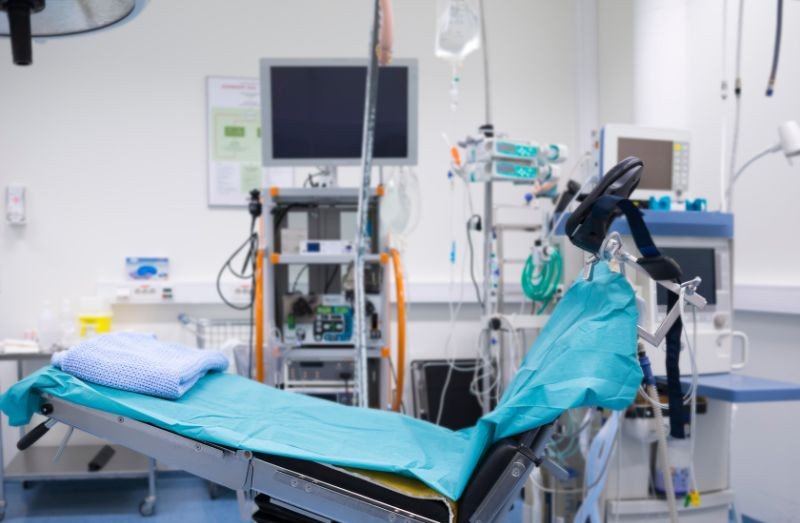
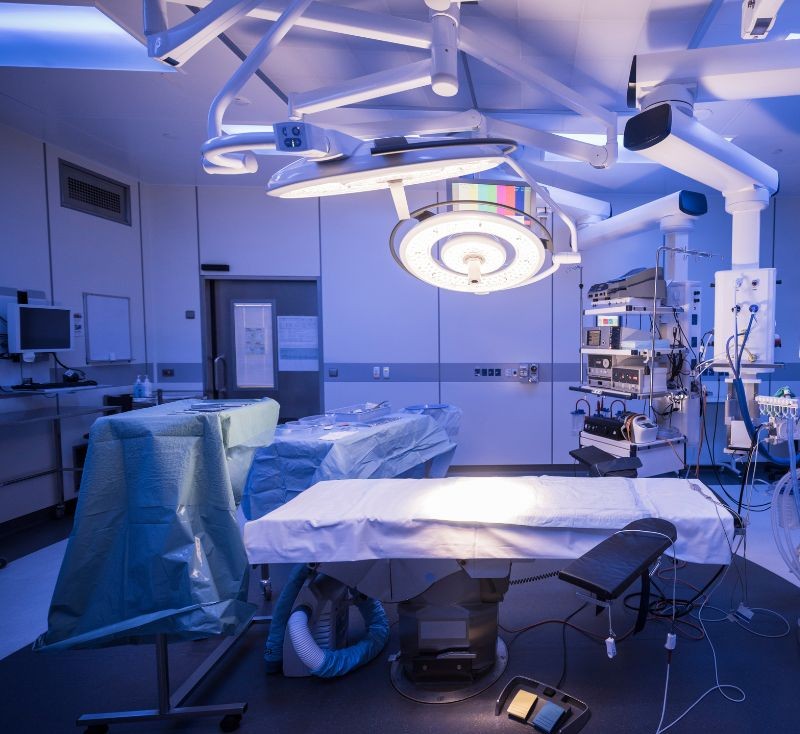
Surgical table covers are single-use sheets. They go on top of the table before a case. They act as a barrier between the table and the sterile field. They protect from fluids, duste sujidade. Most covers are descartáveis. Many have an absorbent layer and a waterproof backing.
Key traits:
- Barrier protection from splash and spill
- Absorbent top to trap fluids where they land
- Waterproof film to stop leaks
- Tear-resistant build for safe moves
- Lint-free surface for a cleaner field
- Good fit and coverage for full table size
Why table covers matter for infection control
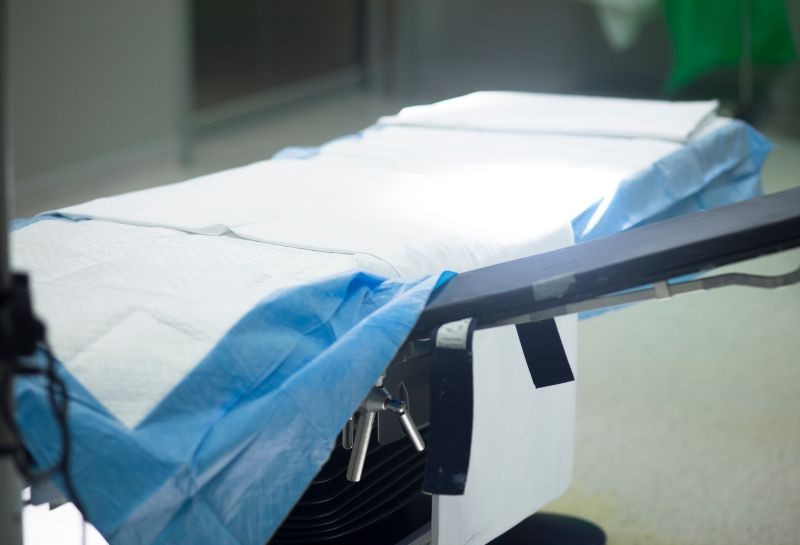
Infection control needs simple steps that work every time. Surgical table covers help by:
- Breaking the chain of cross-contamination
- A fresh, single-use cover gives a clean start
- Used covers come off and go to proper disposal
- Blocking fluids at the source
- O absorbent layer soaks fast
- O waterproof backing stops soak-through
- Keeping a cleaner sterile field
- Lint-free tops lower stray fibers
- Smooth seams support a neat setup
- Speeding room turnover time
- Peel off, toss, and re-cover
- Less time spent on deep scrubs of the table
These points add up to strong risk reduction and a steady clean workflow.
How table covers support patient safety
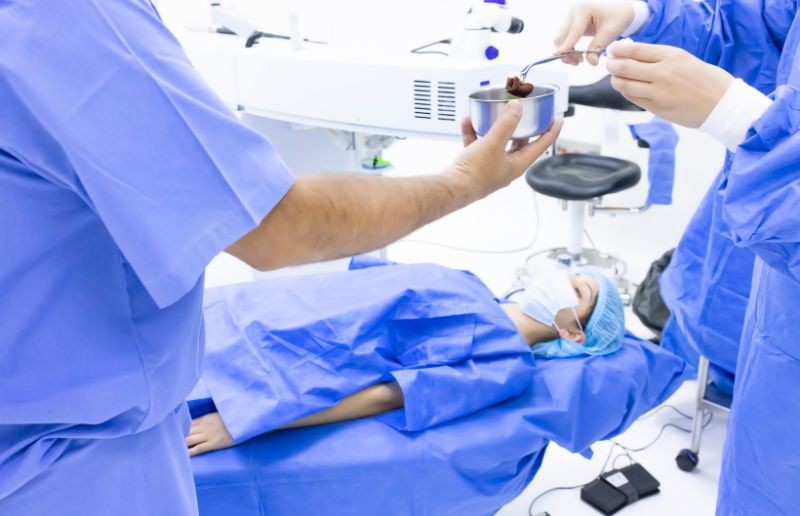
Patient safety is the goal in every case. Surgical table covers help in many small ways.
- Dry, stable surface
- Less slip during patient positioning
- Less pooling under the body
- Comfort and protection
- Soft top helps reduce skin rub
- Fewer cold, wet contact points
- Clear visual check
- Spots and splash are easy to see
- Staff can act fast to keep the area dry
- Surface integrity
- The table stays clean and protected
- The next patient gets a fresh start
Design features that make a difference
Pick coberturas para mesas cirúrgicas with features that match your room and case type.
- Materials
- Non woven tops for low lint
- Film layers (PE/CPE) for a firm fluid barrier
- SMS or microporous styles for strength with airflow
- Layers
- Absorbent layer to hold fluids in place
- Waterproof backing to stop leaks
- Edges and fit
- Full-size cover for your table
- Adhesive strips or tuck edges to stay put
- Strength
- Tear-resistant build for moves and device cords
- Seam design that holds under load
- Low glare finish
- Easier on eyes under bright OR lights
Want more barrier plus absorbency? See this disposable medical bed sheet with hydrophilic non woven coated waterproof film for a similar build and use idea: Lençol médico descartável com película impermeável revestida de tecido não tecido hidrofílico
Picking the right cover
Use this quick plan to choose well.
- Match risk level
- Low fluid: light cover
- Medium fluid: thicker absorbent top
- High fluid: extra absorbent plus à prova de água film
- Confirm fit
- Measure table length and width
- Add a little for tuck or tape
- Check surface needs
- Ask for lint-free tops
- Choose low glare for light-heavy rooms
- Plan the stock
- Flat packs for small rooms
- Roll packs for high volume
- Label sizes for fast pulls
- Train the team
- Same steps each time
- Post a quick guide at the cart
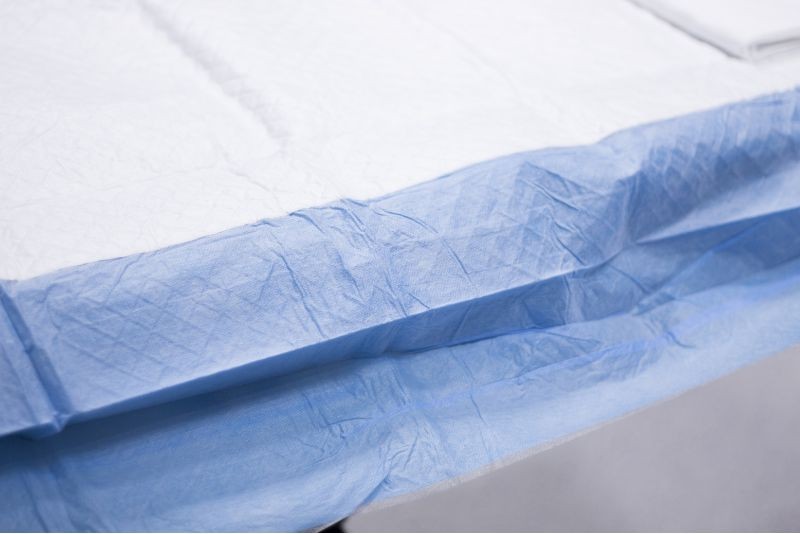
Looking for strong table and bed barriers for wet zones? Explore: Disposable waterproof SMS+PE bed linens
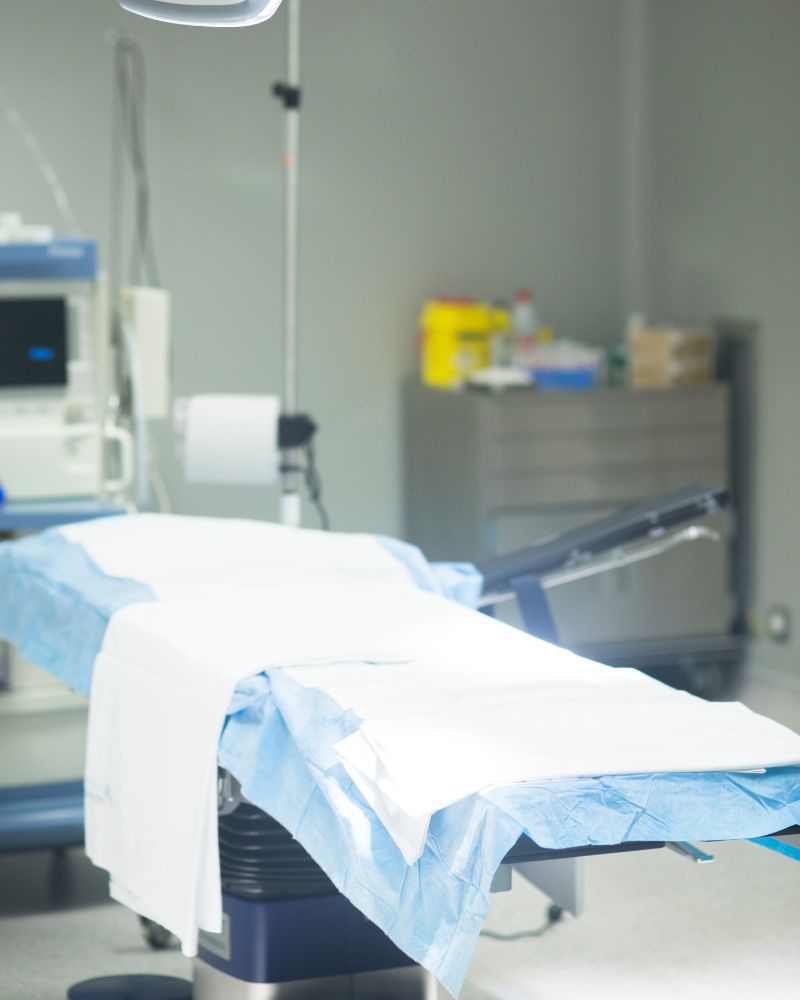
Best practices for setup and removal
Follow the same steps for every case. Keep it short and clear.
- Setup
- Wash and dry hands
- Check the pack and size
- Open without touching the inside top
- Place from head to foot
- Smooth air pockets and secure edges
- During the case
- Blot spills as you see them
- Replace pads if soaked (per policy)
- Removal
- Peel from the cleanest edge
- Roll inside out to trap fluids
- Place in the right waste stream
- Wipe the table per your protocol
- Dry, then apply a new cover
- Disposal
- Use marked bins
- Keep waste segregation clear for all
Boosting OR efficiency
Good covers save time and stress. Here is how they lift OR efficiency:
- Fast turnover
- Less wiping and drying
- Simple peel-and-toss
- Less rework
- À prova de água back keeps the table clean
- No need to chase leaks under the pad
- Clean workflow
- Color or size codes help quick picks
- Fewer steps mean fewer errors
- Rentável
- The right cover avoids double work
- Lower tear rate saves supplies
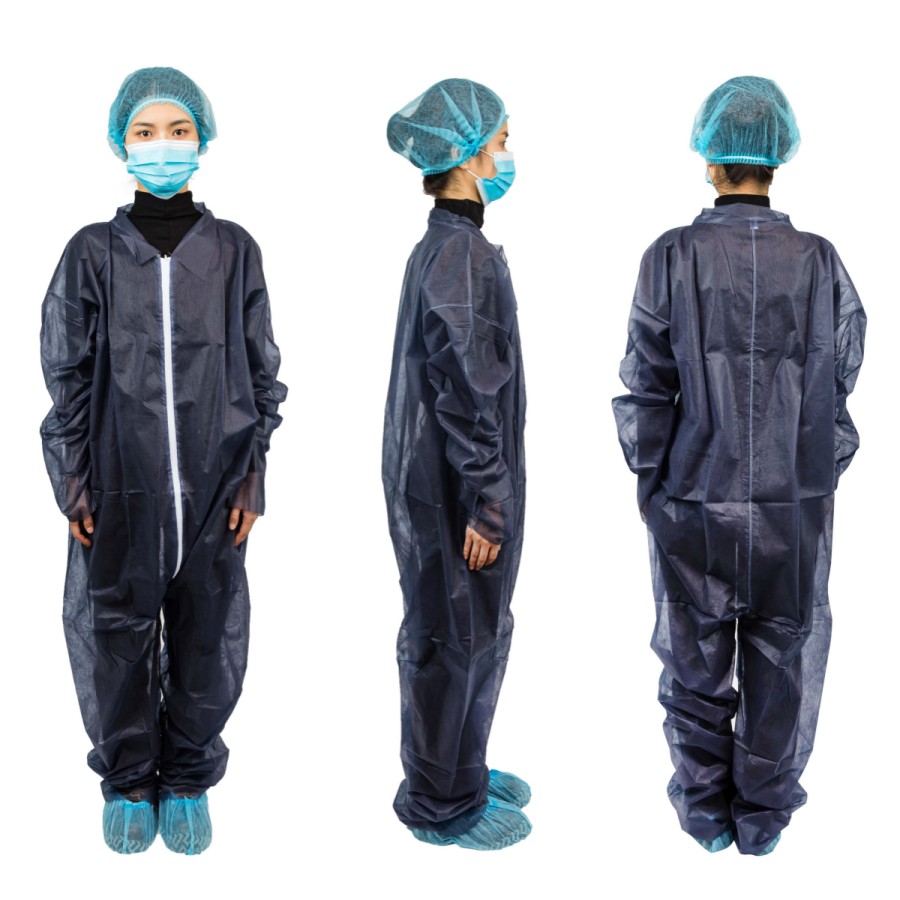
Pair covers with smart PPE
Table covers work best with the right wear for the team. Add these for full infection control support:
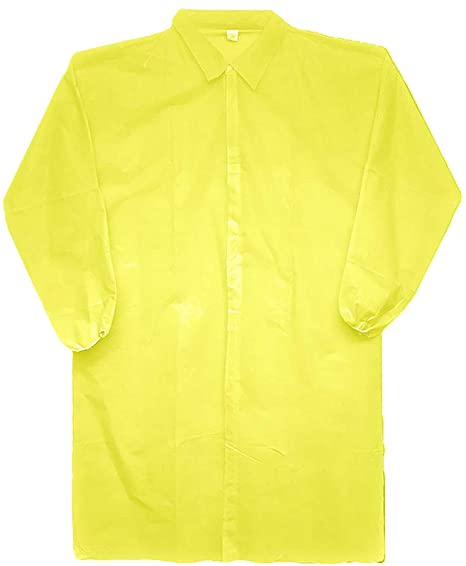
- A breathable, strong gown for the sterile team: Bata cirúrgica SMS descartável
- A sterile option for high-risk tasks: Sterile surgeon gowns, disposable surgical isolation gown
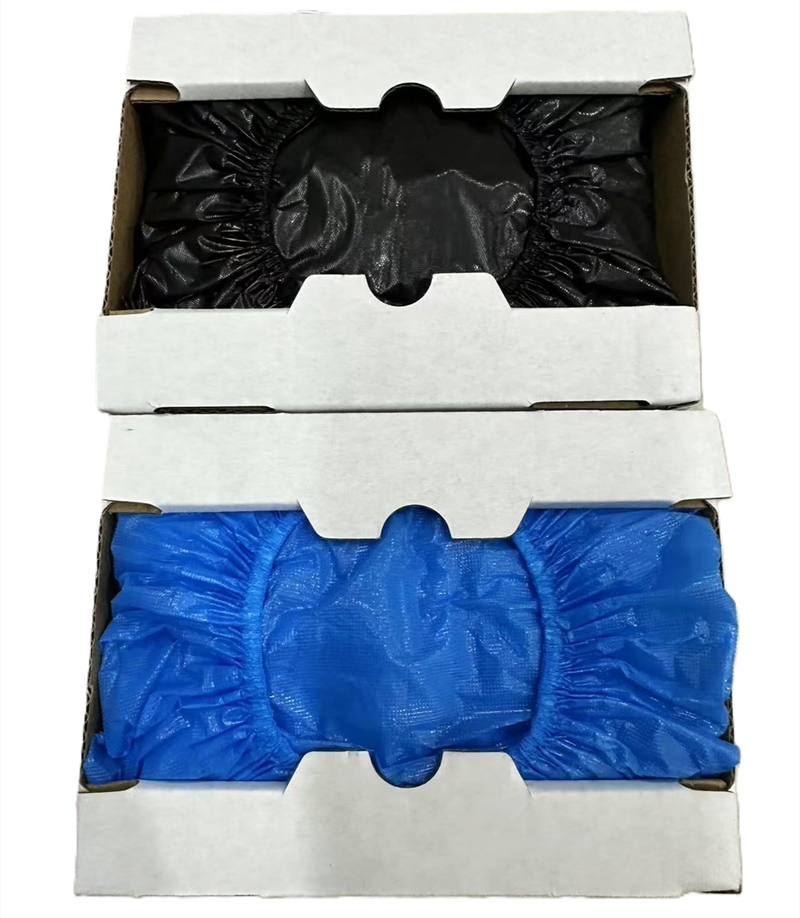
- Grip for wet floors around the table: Disposable non slip hospital shoe covers
Training that sticks
Short, steady training builds safe habits.
- Show the steps
- A live demo beats a long note
- Use check cards
- 5-step setup; 5-step removal
- Spot-check weekly
- Fit, seal, and waste bins
- Share the wins
- Faster turnover time
- Fewer leaks and fewer wipes
FAQs
- Do surgical table covers replace drapes? No. They protect the table. You still use drapes for the sterile field on the patient.
- Are all covers waterproof? Many are. For wet cases, choose covers with both an absorbent layer and a waterproof backing.
- How often do we change the cover? Use a new cover for every case. Change at once if torn or soaked.
- Do covers shed lint? Good covers are lint-free. Check this on the label.
- How do we cut waste? Fit the size to the table, train fast removal, and keep waste segregation clear.
A quick checklist
Use this list before the first case of the day.
- Size and fit match the table
- Absorbent top e waterproof back for planned cases
- Tear-resistant e lint-free build
- Low glare finish for bright light
- Adhesive strips or tuck edges ready
- Stock set at the cart; waste bins in place
Final thoughts
Surgical table covers play a big part in infection control e patient safety. They act as a strong barrier. They block fluids. They help stop contaminação cruzada. They make OR efficiency better with faster, cleaner turnover time.
Pick covers that fit your table and your risk. Look for absorbent tops, à prova de água backs, tear-resistant builds, and lint-free surfaces. Train simple steps for setup, removal, and proper disposal. Pair your covers with the right gowns and shoe covers to protect the whole team and the whole room.
With these steps, your team keeps a clean sterile field, guards patient safety, and keeps the day on time—case after case.




 Português
  English
  العربية
  日本語
日本語  한국어
한국어  ไทย
ไทย  Español
  Русский
  Français