
Advancements in disposable medical gloves help keep care safe and fast. These tools protect hands. They block fluids. They support clean work in clinics, labs, and care homes. This guide explains the key innovations and the main market trends. It uses simple steps you can act on today.

Why advancements in disposable medical gloves matter
Health teams need gloves that fit, flex, and last through the task. New innovations focus on:
- Better barrier to block fluids and splash
- Higher strength to resist tears and rips
- More comfort for long wear
- Good grip in wet or dry work
- Skin-friendly options for many users
- Smart sizing for fast donning
When you pick the right glove, work gets safer and smoother. Waste goes down. Costs stay in line.
Useful PPE to pair with gloves:
- Front splash control: Disposable non woven apron
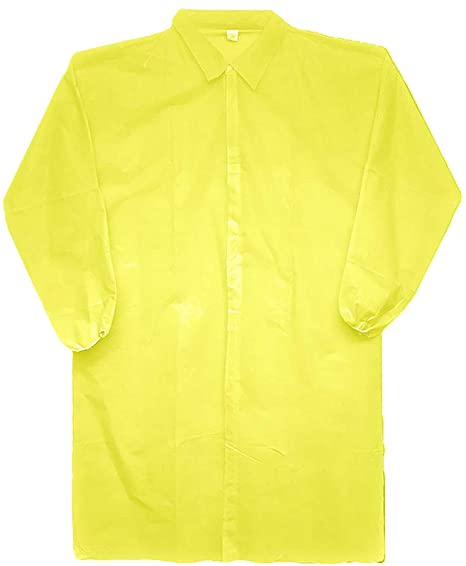
- Room-ready splash wear: Blue plastic isolation gowns, fluid resistant PE gowns
- Arm splash barrier: PPE protective sleeves, disposable arm sleeve cover
- Light-duty food and clean tasks: Disposable CPE plastic glove

Core innovations in materials
Recent innovations in glove films and blends improve feel and safety.
- Stronger nitrile blends
- More puncture resistance
- Better stretch for tight moves
- Less hand fatigue over time
- Low-modulus latex and polyisoprene
- Softer feel with high touch
- Good for precise work
- Made to reduce hand strain
- Upgraded vinyl and PVC mixes
- Smoother donning
- Better fit than older types
- For short, low-risk tasks
- PE, CPE, and TPE options
- Fast on and off
- Cost friendly for quick jobs
- Great for food lines and spot checks
- Skin-comfort liners
- Inner coatings that glide
- Less friction on the skin
- Easier changes between tasks

Design features that raise performance
Form and finish are part of the advancements in disposable medical gloves:
- Micro-textured fingertips
- More grip on wet tools
- Better control for small parts
- Full-hand texture
- Strong hold in heavy wet work
- Good for cleaning and room turns
- Long cuffs
- Extra splash guard on wrists
- Helps in high-fluid zones
- Color coding
- Fast size ID
- Quick zone checks (clean vs. dirty)
- Thin, high-strength films
- Good touch with solid barrier
- Less hand heat in long shifts
Comfort and ergonomics
Comfort is not a “nice to have.” It is key. New innovations address:
- Low hand force
- Easier to open and close hands
- Less strain in long cases
- Moisture management
- Inner liners reduce sweat feel
- Smoother donning on damp hands
- Wide size range
- Better fit for more staff
- Fewer tears from tight pulls
- Right-hand feel
- Consistent film across sizes
- Same grip across colors

Clean workflow gains
The best advancements in disposable medical gloves also speed work:
- Fast-peel box designs
- Less time at the glove wall
- Lower chance of box waste
- Clear front labels
- Size and type easy to see
- Fewer size mix-ups
- Low-lint packaging
- Better for clean areas
- Less mess at the station
- Smart stock flow
- Flat packs for tight rooms
- FIFO-friendly date marks
Sustainability steps
Many teams ask for less waste without losing safety. Current innovations support:
- Right-thickness builds
- Use only the film needed
- Keep strength where it matters
- Better yield per box
- More gloves in the same space
- Fewer re-stocks per shift
- Process controls
- Stable lines mean fewer rejects
- Less scrap at the plant
Note: Always pick safety first. Use eco steps that do not cut barrier or strength.

Market trends shaping demand
Here are the main market trends you should know:
- Stable demand in care
- Hospitals, clinics, and labs need steady supply
- Day surgery growth needs fast swaps and strong grip
- Rise of same-day and mobile care
- Small packs and easy carry
- Long cuff options for outdoor and field work
- Food and service growth
- Quick change PE, CPE, and TPE gloves
- Color-coded lines to reduce mix-ups
- Focus on risk tiers
- Light tasks use low-cost films
- Higher-risk tasks use nitrile or latex class films
- Supply planning
- Buyers lock sizes, colors, and counts
- Two to three glove types cover most jobs
How to choose the right glove
Use this simple plan to pick a glove that fits the task and the budget.
- Match the hazard
- Splash only: PE/CPE/TPE or vinyl
- Oils or solvents: nitrile
- Fine moves: latex, nitrile, or polyisoprene
- Set wear time
- Under 15 minutes: PE/CPE/TPE or vinyl
- 15–60 minutes: standard nitrile or latex
- Over 60 minutes: thicker nitrile
- Add features
- Wet tools: textured fingertips or full texture
- High splash: long cuff
- Fast swaps: light films and smooth inner coat
- Pick sizes and colors
- Stock S to XL (add 2XL if needed)
- Use colors to mark zones or tasks

Training that sticks
Clear steps make good habits. Post this near glove points.
- Donning
- Wash and dry hands
- Pick the right size
- Slide fingers in; do not yank the cuff
- Check for tears or holes
- Doffing
- Pinch the cuff on the outside
- Peel inside out
- Hold the first glove in the gloved hand
- Slide clean fingers under the other cuff
- Peel over the first glove
- Toss at once and wash hands
Pair gloves with simple PPE for full protection:
- Front splash shield: Disposable non woven apron
- Sleeve protection: PPE protective sleeves, disposable arm sleeve cover
- Room splash wear: Blue plastic isolation gowns, fluid resistant PE gowns
- Quick food and light tasks: Disposable CPE plastic glove
Stock and cost tips
A few smart moves can cut waste and keep teams ready.
- Standardize on 2–3 glove types
- Color-code by job or zone
- Stage boxes at the point of use
- Use FIFO to rotate stock
- Track tears per 1,000 and swaps per shift
- Review sizes used each month to tune orders
What is next for the category
The next wave of advancements in disposable medical gloves will aim for:
- Even better touch with strong barrier
- Cooler wear with smart inner coats
- Fewer tears at high-stress points
- Faster donning on wet hands
- Clearer labels for speed and safety
These innovations link to the same goals: protect hands, save time, and support clean care.
Quick buyer checklist
Use this list when you place your next order:
- Task type: splash, oil, or fine work?
- Material: nitrile, latex, vinyl, PE/CPE/TPE, or polyisoprene
- Thickness: thin for feel, thick for strength
- Texture: fingertips or full texture
- Cuff: standard or long
- Sizes: S–XL in stock
- Color: by zone or task
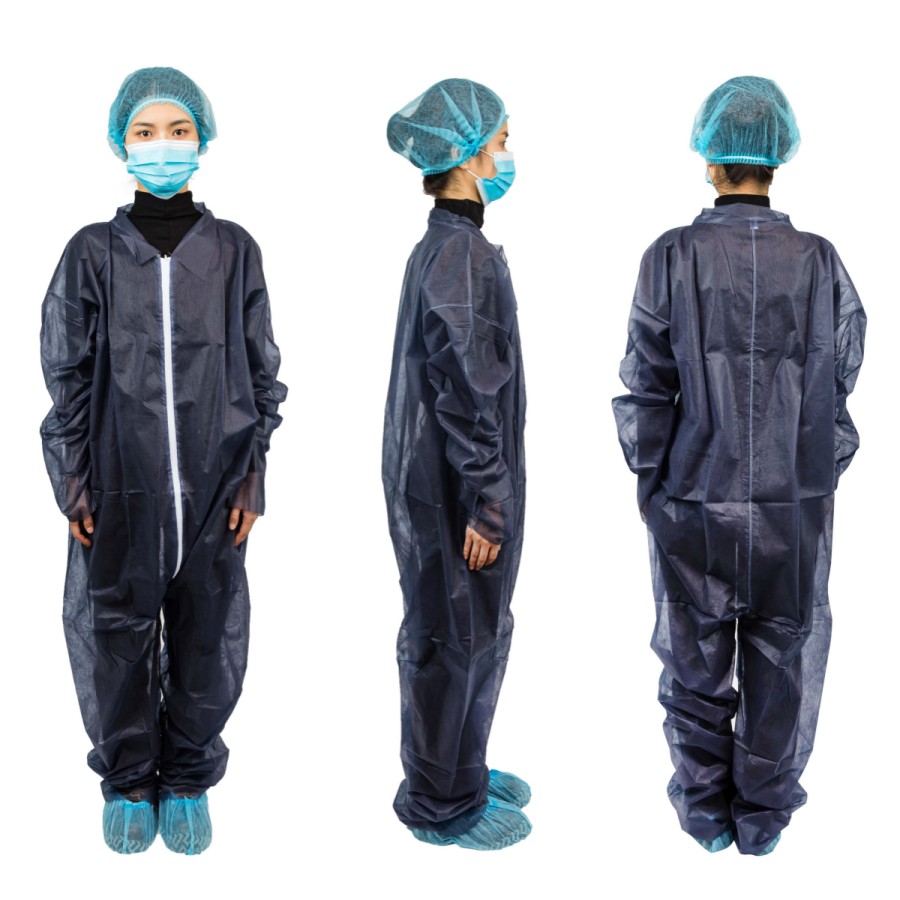
- Add-ons: apron, sleeves, gown when needed
- Stock flow: FIFO and clear labels
Final thoughts
You have seen the key advancements in disposable medical gloves, the top innovations, and the main market trends. Choose gloves that match the job, the wear time, and the user. Add the right design features like texture and long cuffs. Support your team with simple steps, smart stock, and the right partner PPE.
With these moves, you get safe hands, clean rooms, and steady costs. That is how to win with Advancements in Disposable Medical Gloves: Innovations and Market Trends.




 English
  العربية
  日本語
日本語  한국어
한국어  ไทย
ไทย  Español
  Português
  Русский
  Français