
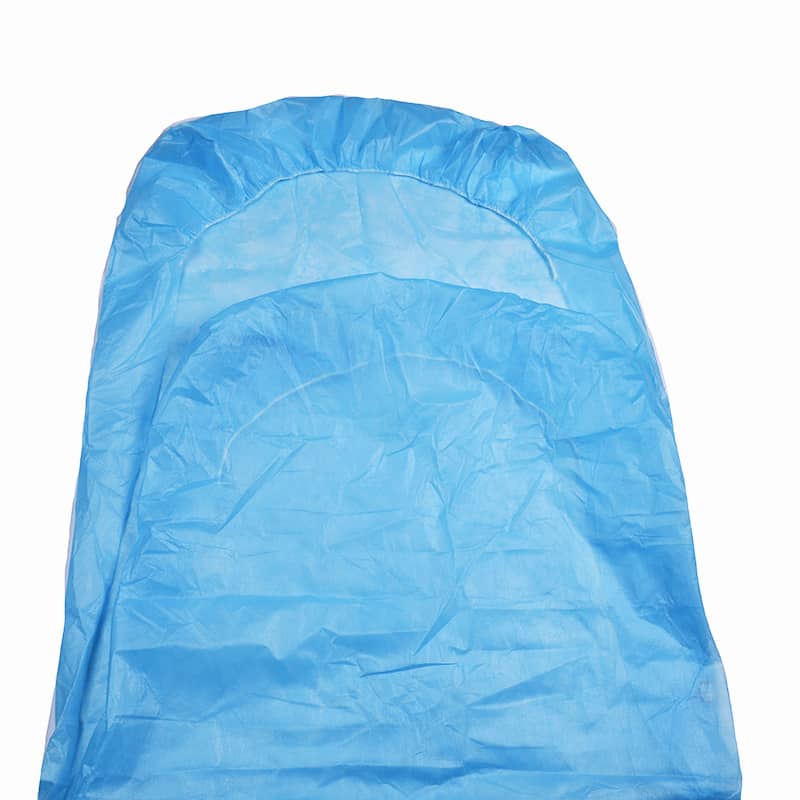
Disposable bed sheets are sheets you use one time and then throw away. They make beds super clean and safe. In this article, we learn about the special materials in these sheets. We will look at PP, SMS, Spunlace nonwoven, PP+PE, SMS+PE, and PE/CPE plastic sheets.
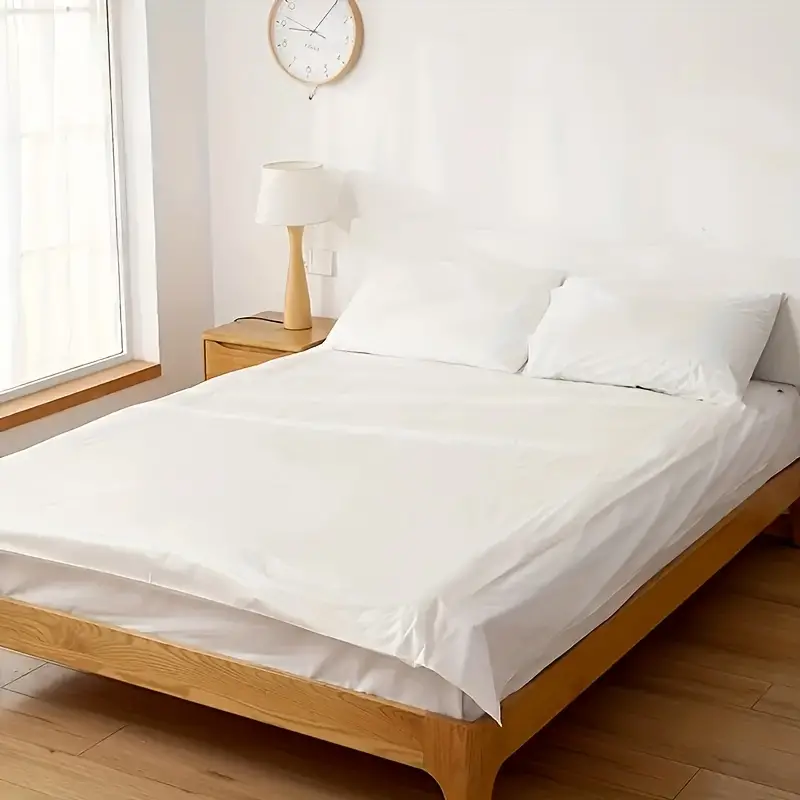
What Are Disposable Bed Sheets?
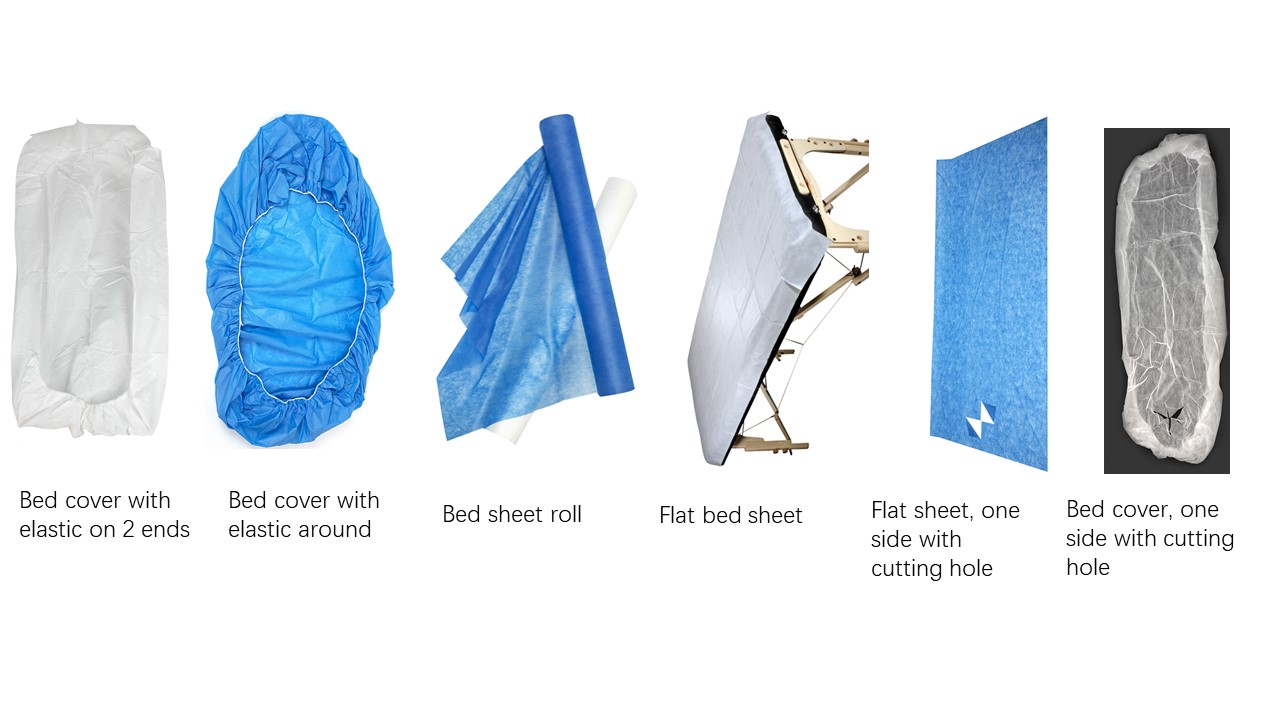
Disposable bed sheets are used where clean beds are very important.
- In hospitals, beds must be very clean so patients stay safe.
- In hotels, these sheets help make cleaning fast when guests change.
- In home care, they help when someone needs extra attention.
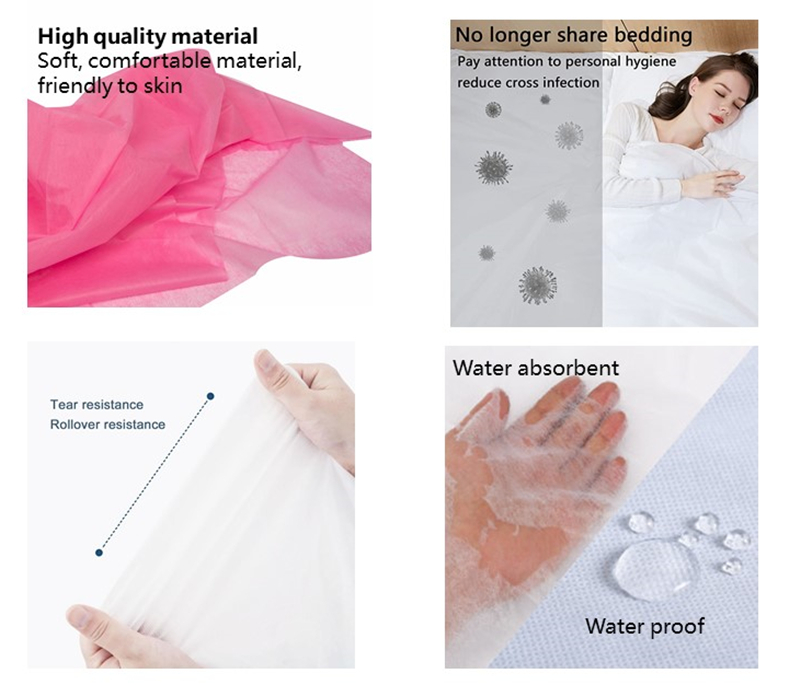
These sheets are used for a short time. Then, they are thrown away. This stops germs from spreading. The sheets are made from special dressings like nonwoven fabric and plastic that work hard to keep beds dry and clean.
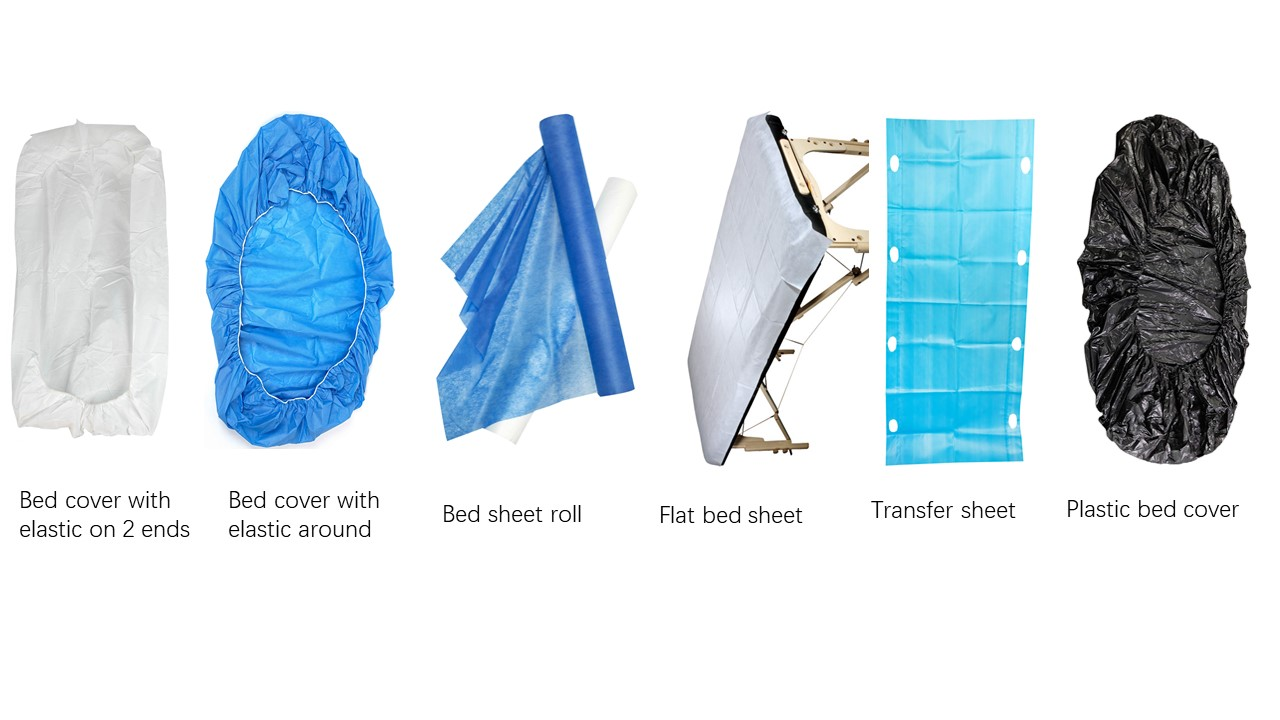
Why Do Materials Matter?
The kind of material in a disposable bed sheet makes a big difference. Here are some reasons:
- Hygiene: The right material stops water and germs from reaching the bed.
- Comfort: Soft sheets help you sleep better.
- Strength: The sheet must be strong and not rip easily.
- Waterproof: Some materials do not let water through so the bed stays dry.
- Cost: Some sheets cost less and work well.
When you know what each material does, you can pick the best sheet. This choice makes beds safe and even helps our Earth when we throw them away properly.
Key Raw Materials in Disposable Bed Sheets
Let us learn about the main materials. We use simple words so that everyone can understand.
PP (Polypropylene)
- PP is a type of plastic.
- It is light, strong, and cheap.
- PP has tiny holes. This makes it easy for air to pass through. That is why it is used in many hospital and hotel bed sheets.
- It is good for short-term use where high strength is less important.
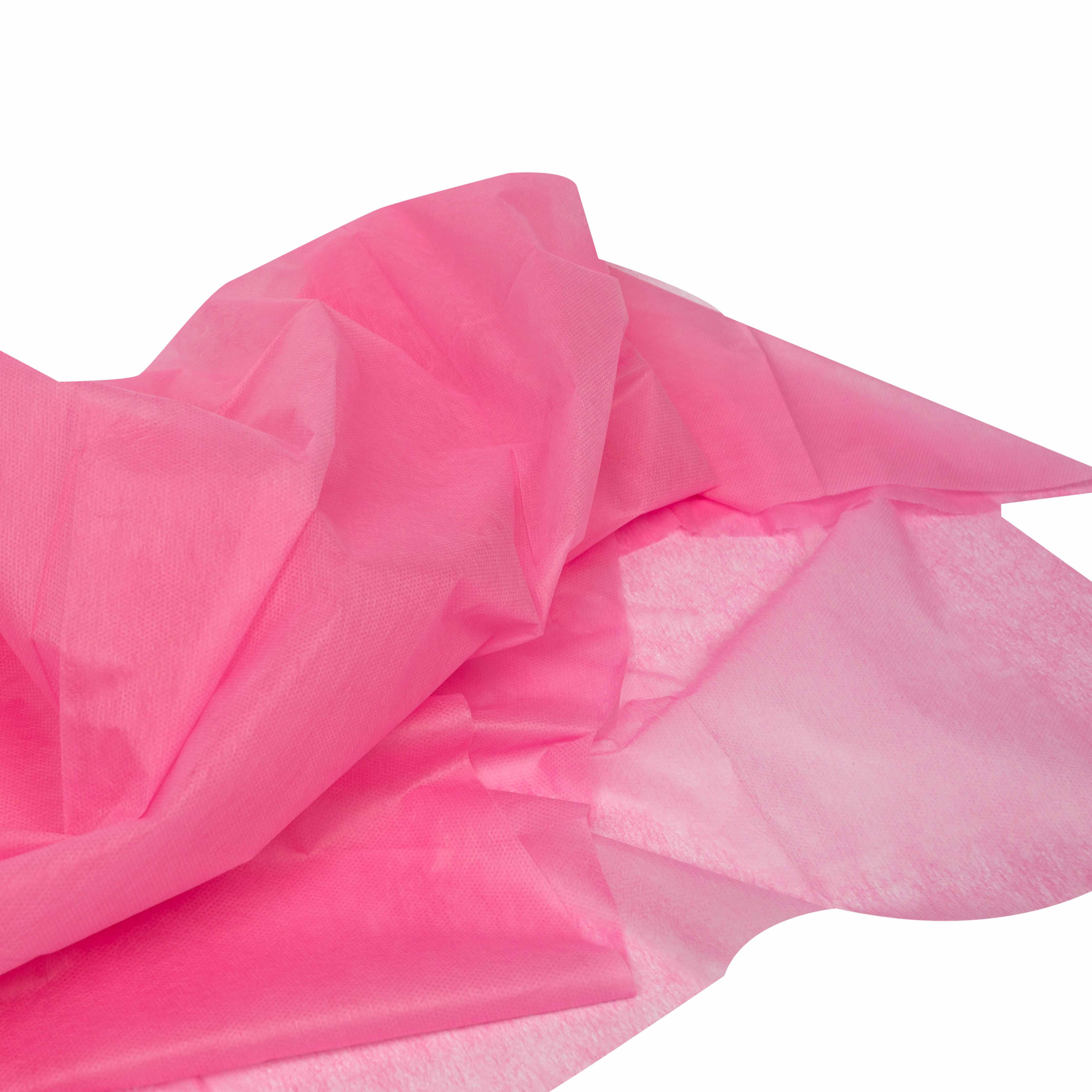
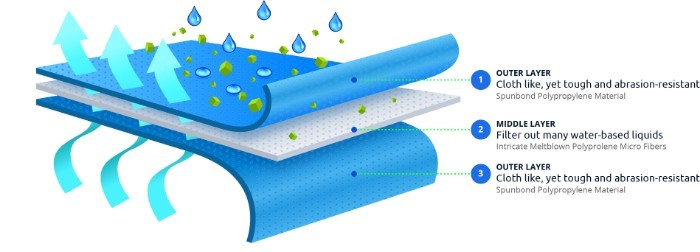
SMS (Spunbond-Meltblown-Spunbond)
- SMS is made in three layers.
- The outer layers are made by a process called spunbond. The middle layer is made by meltblown.
- This makes SMS very strong and resistant to fluids.
- It is used a lot in hospitals to reduce germs and stop liquids.
Spunlace Nonwoven
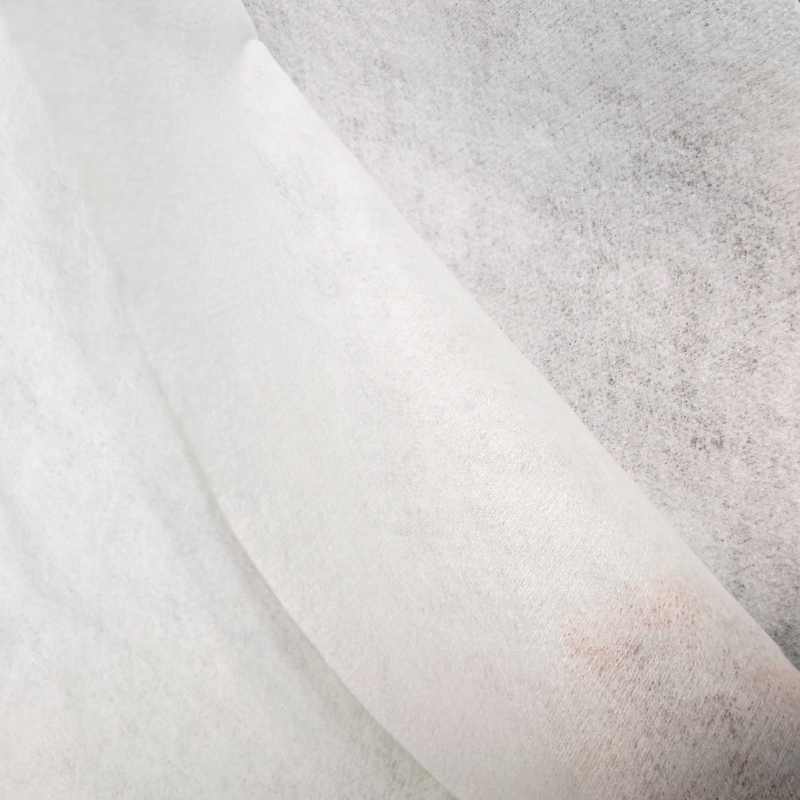
- Spunlace nonwoven is made by using strong jets of water.
- The water bonds the fibers together.
- This makes the sheet feel soft like cloth.
- It is used when comfort is very important, such as in luxury disposable linens.
PP+PE Blend
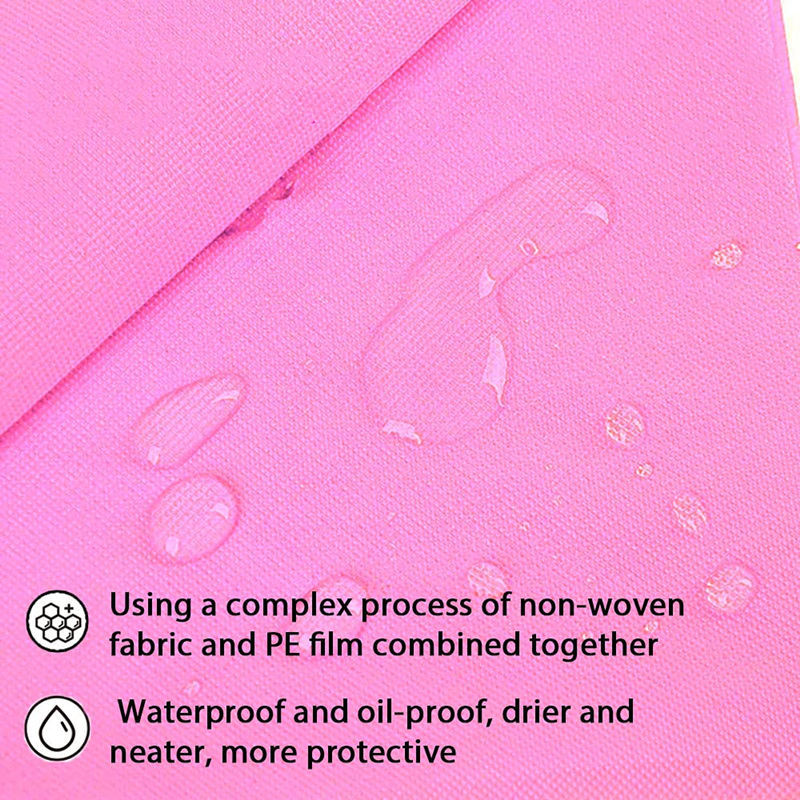
- PP+PE is a blend or the mix of polypropylene and polyethylene.
- PP gives the material lightness and breathability.
- PE (Polyethylene) adds a layer that stops water.
- This blend is used in home care or light hospital use when both warmth and dryness are needed.
SMS+PE Laminate
- SMS+PE uses the strength of SMS and an extra layer of PE.
- The PE layer gives extra protection from water.
- This is used in rooms that need high protection, like intensive care units.
PE/CPE Plastic Sheets
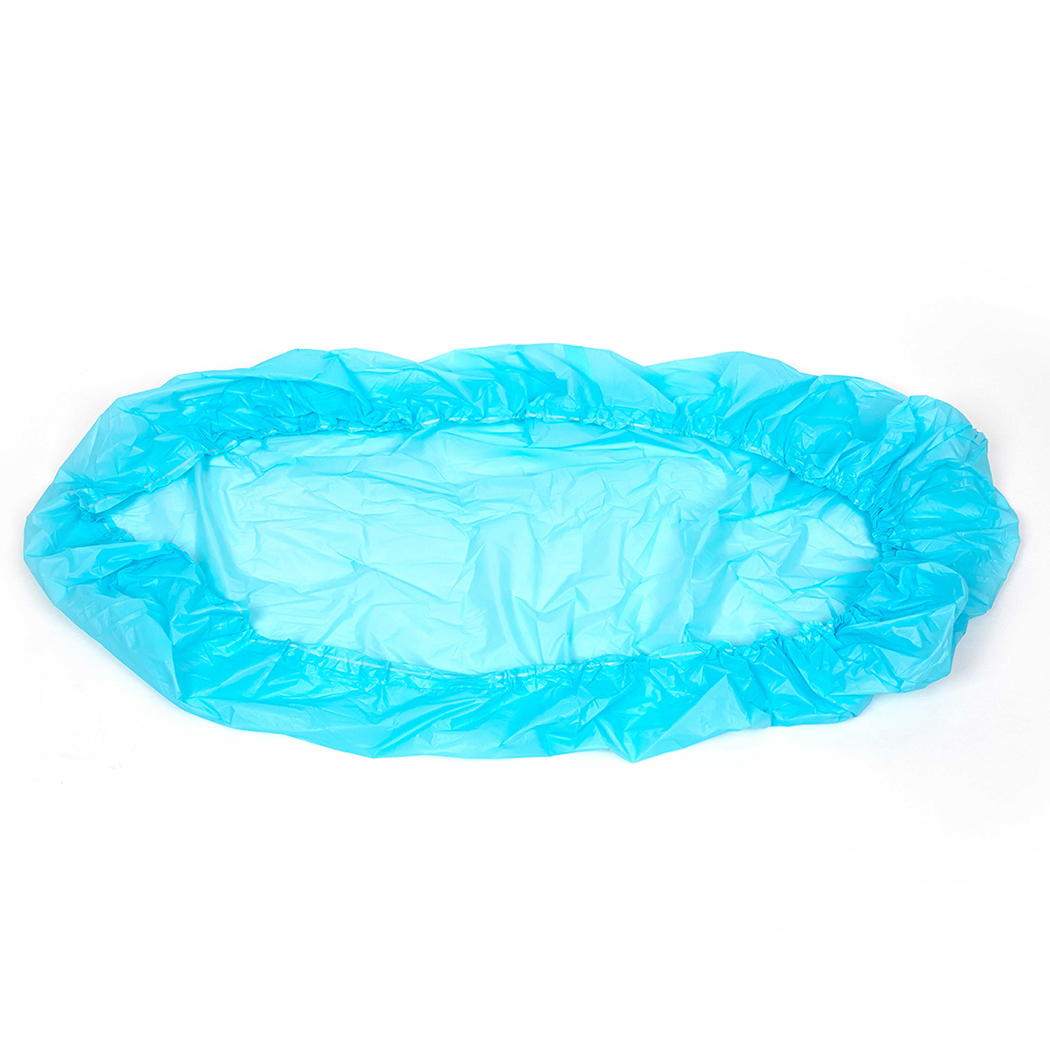
- PE/CPE sheets are made of strong plastic materials.
- They are fully waterproof.
- These sheets are used when no water is allowed at all, such as in emergency bedding or very wet places.
- They are not as soft as nonwoven materials but are very useful when water protection is key.
Comparison of Materials
The table below helps show the key points of each material:
| Material | Properties | Best For | Limitations |
| PP | Light, soft, and cheap | Hotels, short-term use | Not very waterproof |
| SMS | Strong and fluid resistant | Hospitals, quarantine rooms | Feels a bit rough |
| Spunlace | Soft and cloth-like | Luxury disposable linens | Not as strong, can wear faster |
| PP+PE | Breathable with a water-proof layer | Home care, mild hospital use | Mid range cost |
| SMS+PE | Extra barrier with good protection | Intensive care rooms | More expensive than others |
| PE/CPE | Fully waterproof and simple to clean | Emergency bedding, wet areas | Not soft, can feel hot and sticky |
This table shows how each material works in different ways. It helps buyers and users know which material is best for their needs.
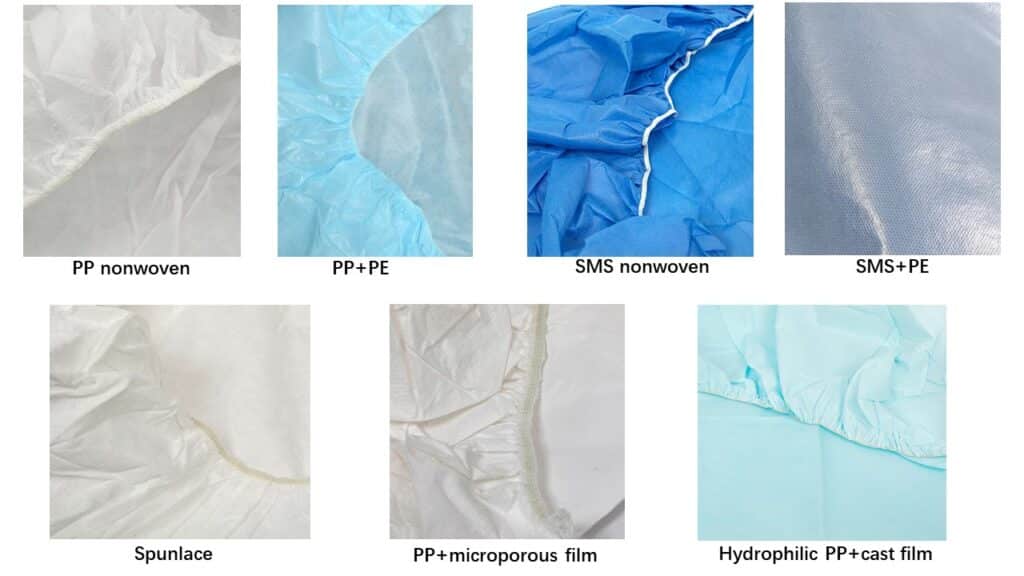
Where Are These Materials Used?
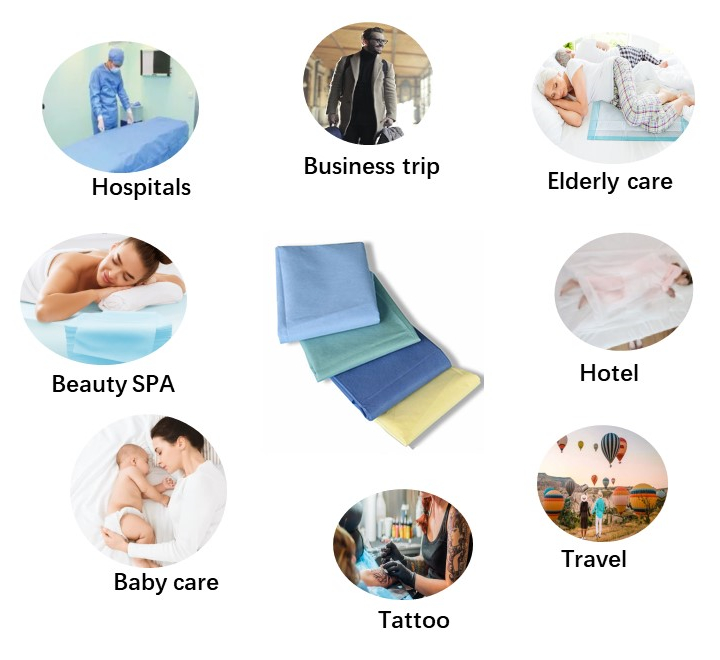
Different materials are chosen based on where the sheets will be used. Here are some examples:
- Hospitals:
- They need strong and liquid-resistant sheets.
- SMS and SMS+PE are common because they stop fluids and keep germs away.
- Hotels:
- They want a bed sheet that feels soft and is easy to change.
- PP and Spunlace nonwoven help with this. They are light and comfortable.
- Home Care:
Some people at home need extra help if there is a spill. PP+PE sheets are a good pick. They keep water out but still let air pass through.
- Emergency Rooms and Special Cases:
- In some places, no water may get in at all.
- PE/CPE plastic sheets are used in these cases because they are completely waterproof.
Every place uses the best material for its needs. That is why choosing the right material is very important.
How Do These Materials Work?
Let’s learn a little more about how these materials help keep beds safe.
PP (Polypropylene):
- Made by melting plastic.
- Then, it is spun into a light and strong sheet.
- It lets air pass through, so the bed does not get too hot.
SMS (Spunbond-Meltblown-Spunbond):
- Made in three layers.
- The inner layer stops liquids.
- The outer layers give extra strength.
- It is strong and keeps germs from moving from one bed to another.
Spunlace Nonwoven:
- Water is used to stick tiny fibers together.
- The result is soft, like a cloth.
- It is nice to use when comfort is needed.
PP+PE Blend:
- A mix of PP and PE.
- It gives the best of both worlds: soft feel and waterproofing.
- This blend is good when you need air and also want to stop spills.
SMS+PE Laminate:
- It uses the strong SMS material with an extra PE layer.
- The extra layer makes it very hard for any liquid to pass through.
PE/CPE Plastic Sheets:
- These sheets are made from hard plastic.
- They do not let any water pass through, keeping beds very dry and safe.
By knowing how these work, you can see why each is used for a special job.
How to Choose the Right Material
When you need a bed sheet, ask these simple questions:
• What is it for? - Is it for a busy hotel room or a quiet hospital room?
• What do you need most—softness or strength? - If you want a soft feel, pick Spunlace nonwoven. - If you need extra strength, choose SMS+PE.
• Do you need water protection? - For complete protection from water, choose PE/CPE. - For a mix of air and water control, the PP+PE blend works well.
• How much money can you spend? - Some sheets cost less (like those made from PP). - Others cost a bit more (like SMS+PE sheets).
With these thoughts in your mind, you can make a smart choice when buying disposable bed sheets.
Sustainability and Disposal
Disposable bed sheets are made for one use. Then, they are thrown away. Here are some important points:
• Recyclability:
– Some materials, like PP, can be recycled.
– Recycling helps keep our Earth clean.
• Biodegradable Options:
– Some new sheets may break down naturally.
– Scientists are working on these safe options.
• Proper Disposal:
– Always throw used sheets in the proper bin.
– This helps protect our water and soil.
By using and disposing of these sheets the right way, we can help take care of our Earth. These easy ideas help you make smart choices for safety and care for our planet.
Learn More with Internal Links
You can learn more about related products through these pages:
- For a look at strong water proof products, check out our disposable plastic bed sheets waterproof.
- If you prefer a soft and clean finish, read about our disposable non woven bed cover.
- Learn more about the blend of protective materials from our disposable PP+PE bed sheet roll for hospital examination.
These pages have more information on how each product works and how it may be used in different places.
Summary
Here is a quick review of what we learned:
- PP is light and cheap and is used in many disposable bed sheets for hotels and hospitals.
- SMS is strong and stops liquids, which makes it good for hospitals.
- Spunlace nonwoven feels soft like cloth and is used when comfort is key.
- PP+PE combines the best of both worlds: it is breathable and waterproof.
- SMS+PE adds extra protection and is used in intensive care rooms.
- PE/CPE plastic sheets are very waterproof and are used in emergencies.
Each material has a special job. When you choose Each material has a special job. When you pick a bed sheet, think about what you need. Do you want it to be soft, strong, or good at stopping water?
Scientists and engineers work hard to make these sheets even better and nicer for our Earth. Their work helps us have safe, clean beds and a cleaner Earth.
Thank you for reading this article. We hope you now have a better idea of the raw materials in disposable bed sheets.




 English
  العربية
  日本語
日本語  한국어
한국어  ไทย
ไทย  Español
  Português
  Русский
  Français