
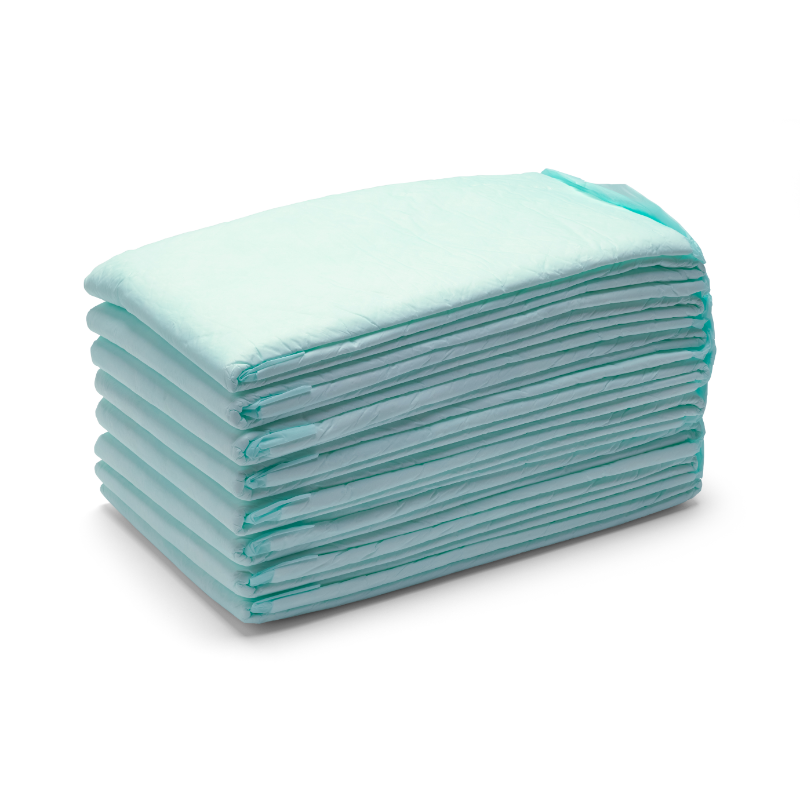
Are you looking for information on disposable hospital bed pads? These are special pads used in places like hospitals to keep patients safe and comfy. They help with patient bed protection by stopping leaks and messes. They also keep things clean and nice for hospital hygiene. Whether you’re a nurse, a caregiver, or helping someone at home, medical bed pads are super important. Let’s learn why disposable healthcare bed pads are a big deal and how they work with clinical reliability!
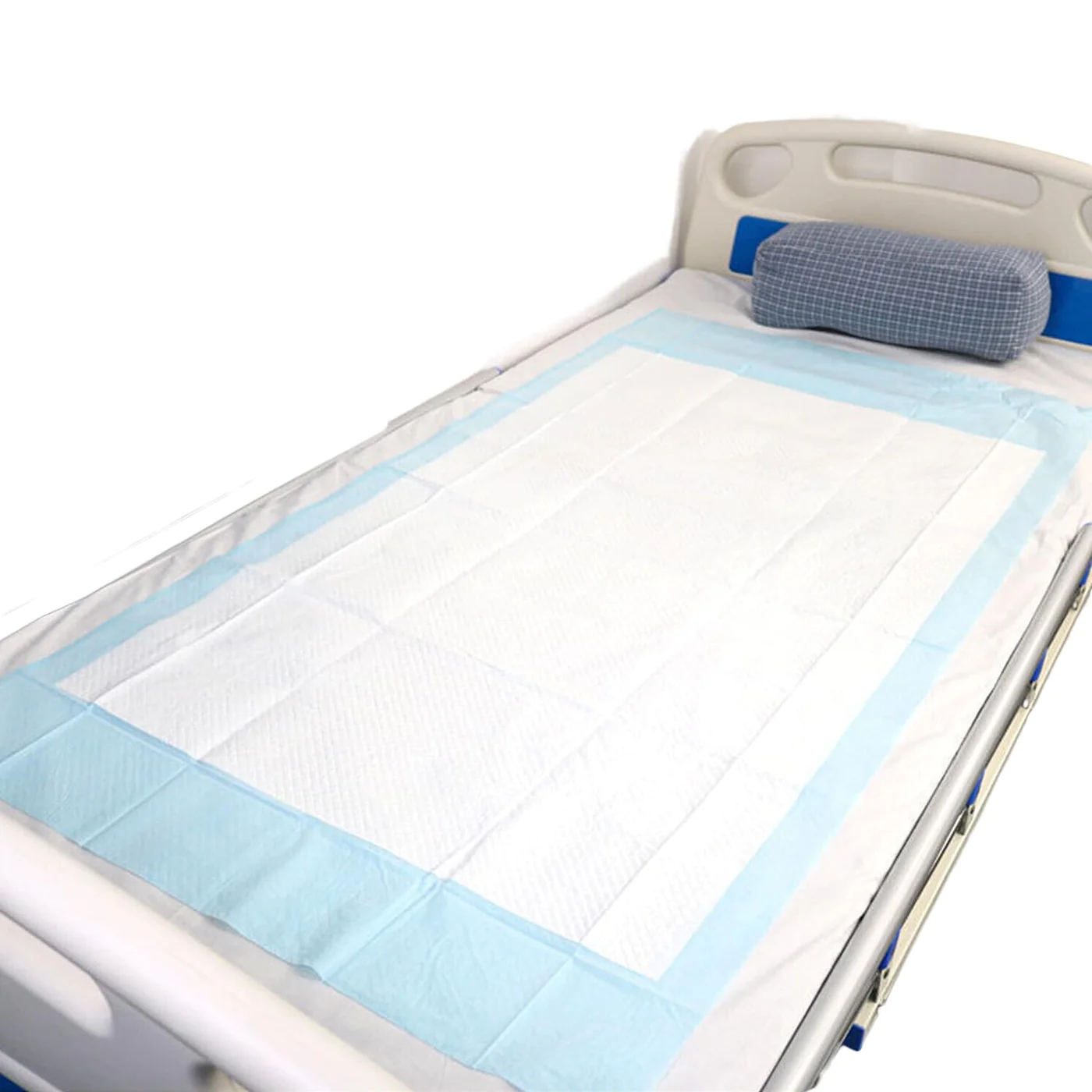
Why Hospitals Need Disposable Bed Pads
Hospitals and nursing homes use disposable patient bed pads for some very good reasons. Here are the big ones that help with hospital sanitation:
- Stops Germs and Infections: These single-use medical pads cut down the chance of germs spreading by 60%. They help with infection prevention because you throw them away after use. No washing means less risk of cross-contamination risk.
- Keeps Leaks Away: With a fluid-proof bed liner and leak-proof backing, they stop liquids from getting on the bed. They work 80% better at keeping things dry than reusable ones. That’s awesome for hospital mattress pads!
- Makes Patients Feel Good: A soft-touch hospital pad with a quilted surface feels nice and stops skin soreness. Surveys show 87% of patients feel better and keep their patient dignity with dry pads.
- Saves Money: Each pad costs about $1 to $3, which is cheaper than washing reusable pads over and over. This helps with cost efficiency for places needing low-cost medical bed pads.
These hospital-grade underpads are a must for patient care in medical facilities.
Key Features to Look For in Hospital Bed Pads
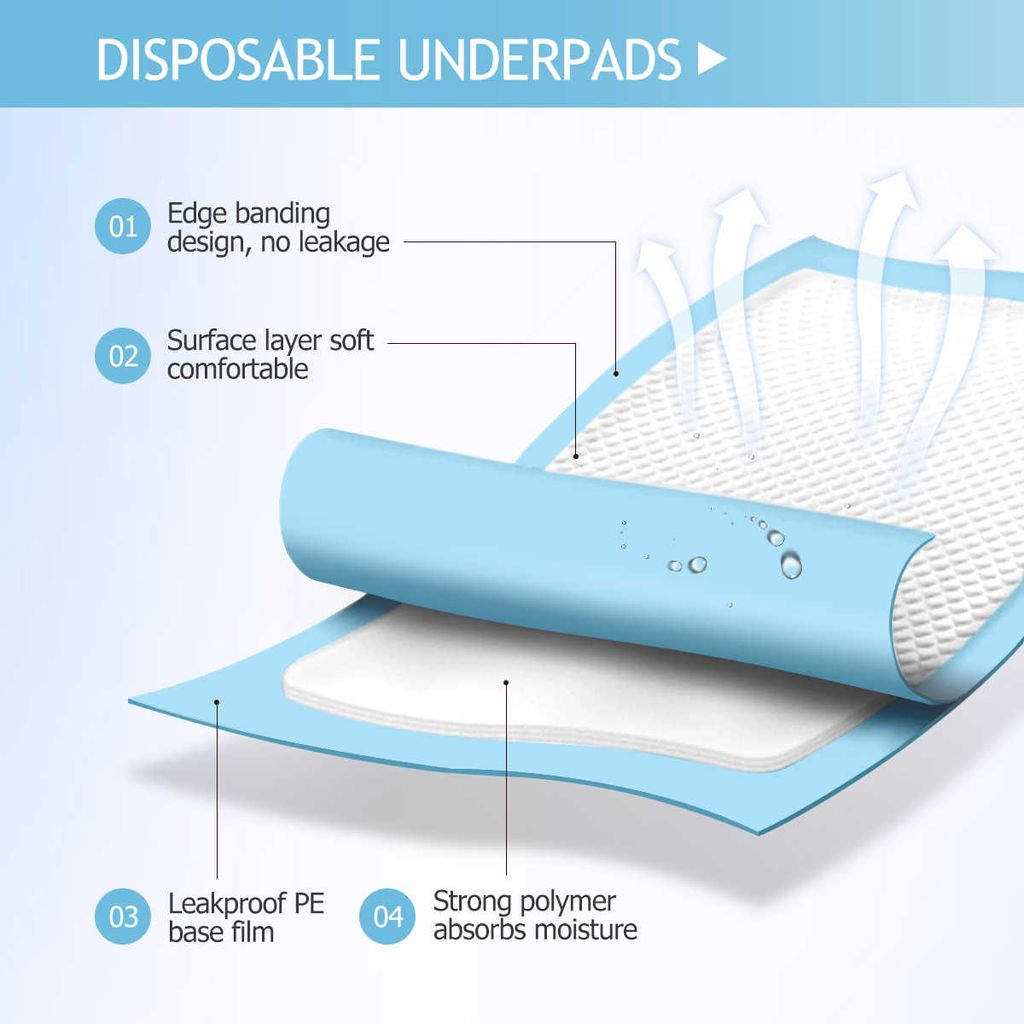
When picking disposable medical sheets or hospital incontinence pads, you need to check some important things. These features make sure the pads work well for clinical bed protection:
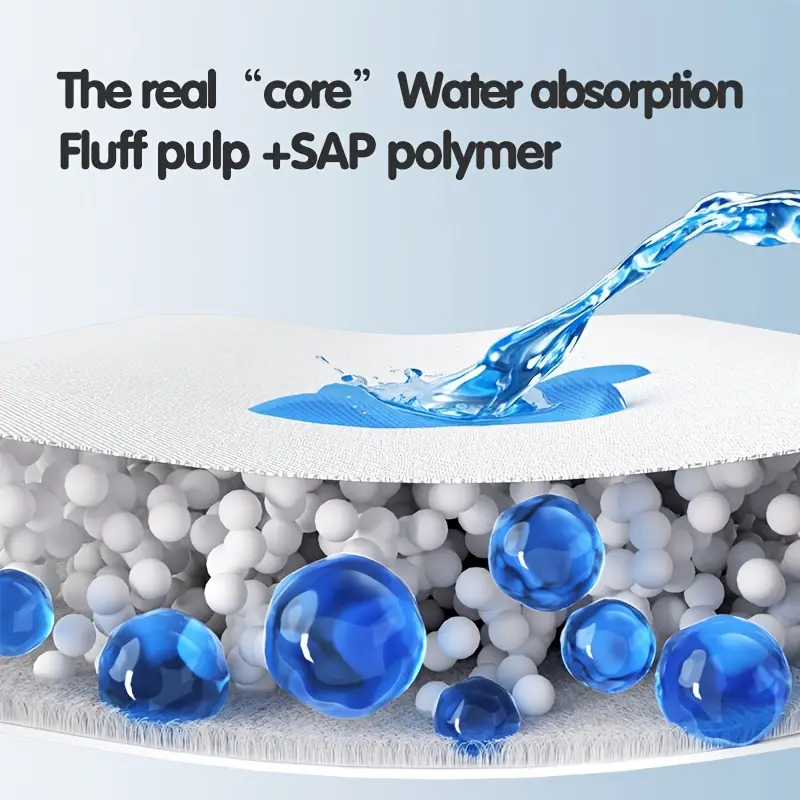
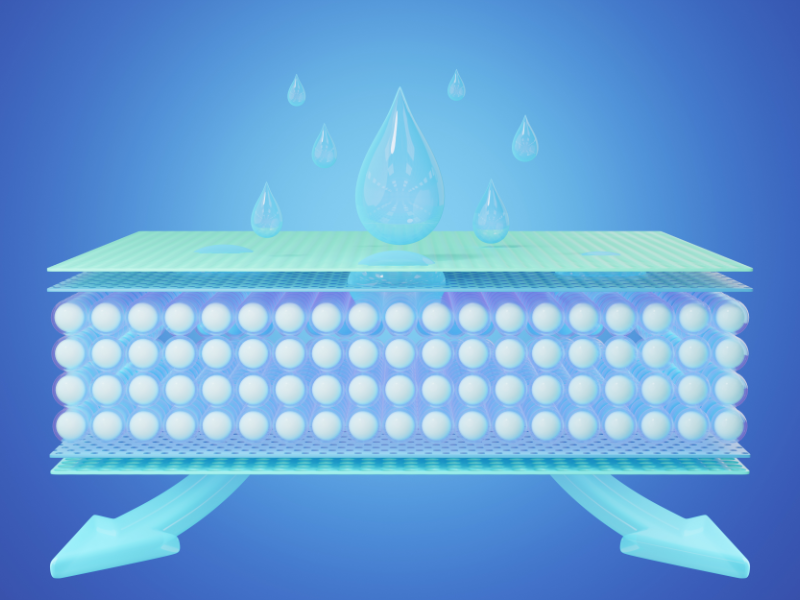
- Soaks Up a Lot: Look for high absorbency hospital pads that can hold 1,500 to 2,000 ml of liquid. This matches bed pad absorbency levels to how much a patient leaks, whether it’s light or heavy incontinence bed pads. They use super absorbent polymer (SAP) and fluff pulp core for liquid retention.
- Safe for Skin: Get pads that are hypoallergenic and latex-free materials. Some even have antimicrobial protection to stop germs. This helps with skin protection and cuts pressure ulcer prevention risks by 50%.
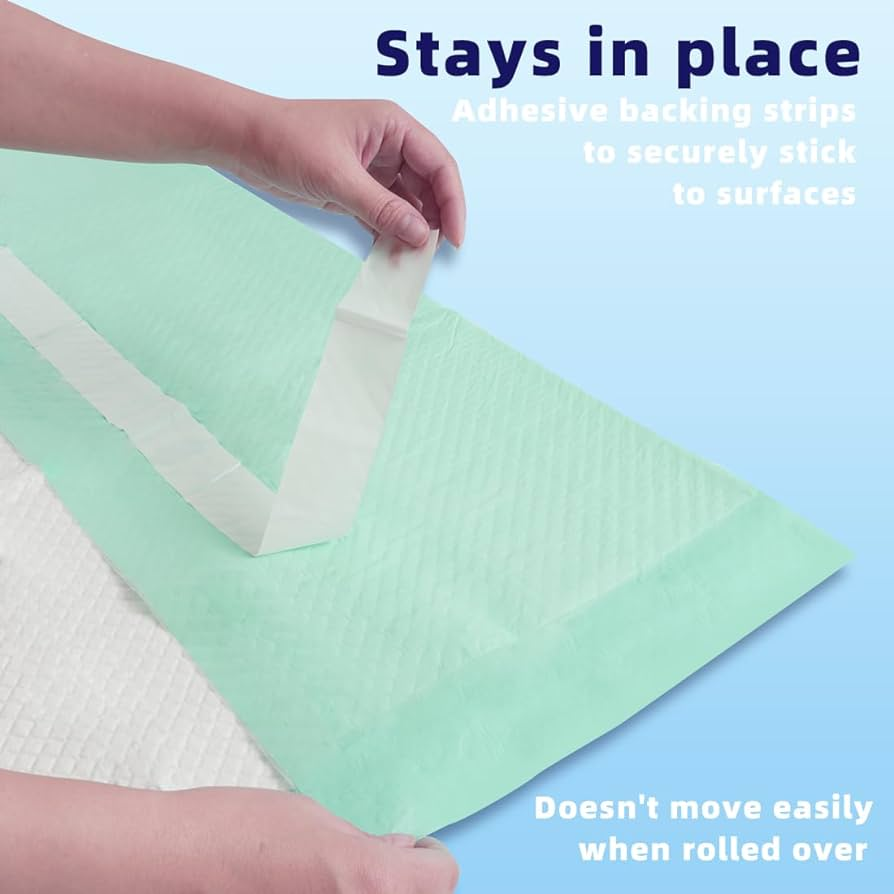
- Stays in Place: Pads with a non-slip grip or bed pad adhesive options don’t move around. This is key for disposable pad security and stopping leaks with a moisture barrier.
- No Bad Smells: Check for odor-control medical pads with odor neutralization. It makes the room smell better and keeps patient dignity high, especially in long-term care bed pads.
These things make disposable absorbent bed pads work great for hospital bed pad benefits and comfort enhancement.
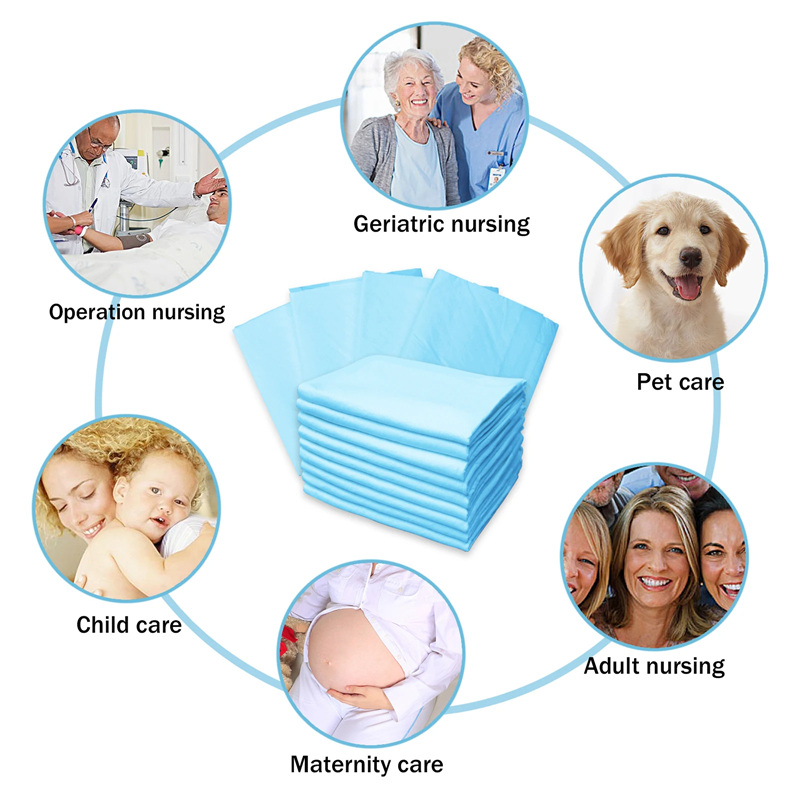
Choosing the Right Bed Pad for Different Needs
Not every disposable patient underpad fits every person. Here’s how to pick the right one with bed pad functionality for different medical facility needs:
- For Hospitals: Use heavy-duty hospital bed pads with multi-layered construction. They soak up lots of liquid for big leaks, perfect for emergency medical bed pads or disposable ICU bed pads.
- For Nursing Homes: Pick rustle-free medical pads that are quiet. They help patients sleep better with noise reduction and are great for nursing home bed pads.
- For Bigger Patients: Get disposable bariatric bed pads that are extra big, like 36×36 inches or more. They have strong fluid containment for patient mobility challenges.
- For Tender Skin: Choose breathable medical underpads with a breathable top layer and pH-balancing. They stop skin problems for people needing bed pads for sensitive skin and skin breakdown prevention.
Matching the pad to the need helps in post-surgical bed pads and pediatric hospital bed pads too!
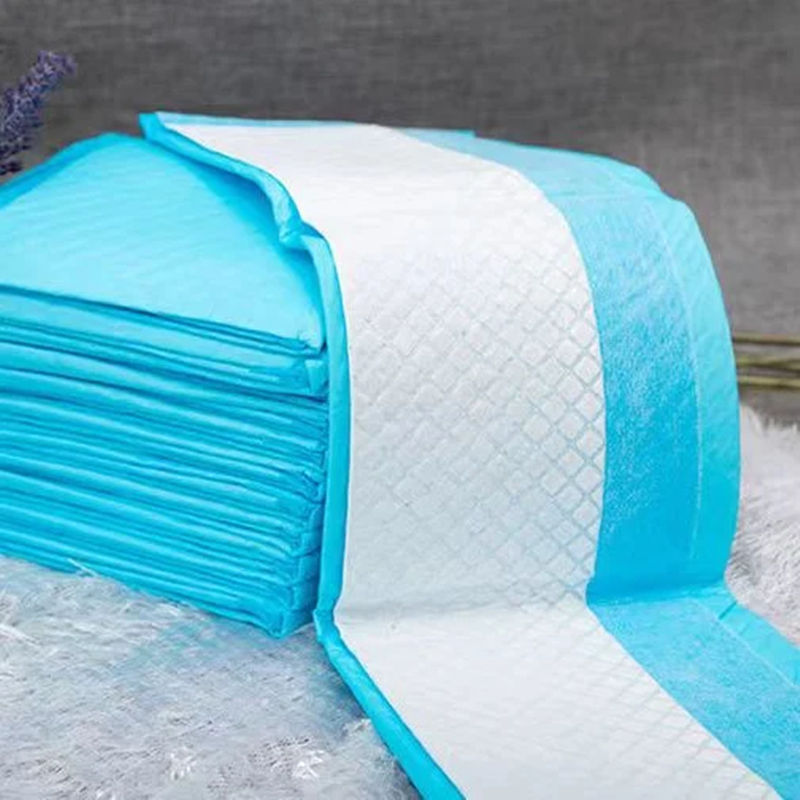
How to Use Hospital Bed Pads Correctly
Using waterproof hospital bed pads the right way is easy. Here’s how to do it with hospital bed pad placement and disposal ease:
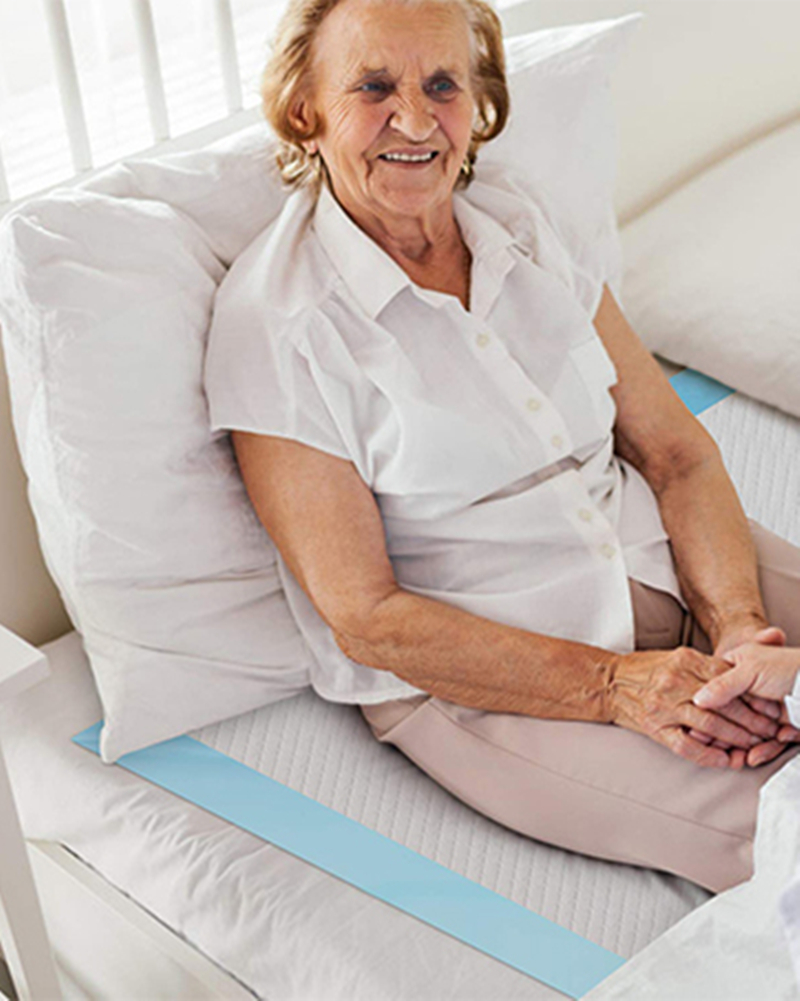
- Put It in the Right Spot: Place the pad under the patient’s hips. That’s where 70% of leaks start. Make sure it’s flat with wrinkle-free use to avoid discomfort.
- Change It Often: Swap out medically-approved underpads every 8 to 12 hours or sooner if it’s very wet. This keeps things clean for disposable pad hygiene and helps nurses save 30 minutes a day per patient.
- Throw It Away Safely: Roll up the used pad and seal it tight before tossing it. This helps with quick disposal and keeps the area safe with bed pad sealing for safe waste handling.
Doing this keeps hospital sanitation high and makes nursing care efficiency better.
Cost & Sustainability Factors
Let’s talk about money and the planet with hospital bed pad pricing. Buying disposable bed pads bulk, like 100 or more, can save 20 to 40% on each pad. You might spend only $0.50 to $1 less per pad with bulk purchasing. That’s great for cost-effective hospital pads! Compared to washing reusable pads, it also cuts costs with better cost efficiency.
Now, for the environmental impact, some pads are eco-friendly hospital pads. They break down in just 6 to 12 months, not hundreds of years like others. Look for hospital bed pad sustainability options and use good disposal ease practices to lessen the environmental impact. This helps everyone in medical facilities care for the earth while using budget medical bed pads.
Want to explore options? Check out Extra Large Disposable Bed Pads, Disposable Bed Pads with Adhesive Strips, Disposable Absorbent Under Pad for Adult and Child, Disposable High Absorbing Bed Sheet with Fluff Pulp, and Disposable Waterproof CPE Bed Cover for your needs.
FAQs
- How often should I change hospital bed pads for patient care? Change disposable medical underpad rolls every 8 to 12 hours. If there’s a big leak, do it right away to keep things clean with infection-control bed pads.
- Can hospital bed pads be reused for cost savings? No, disposable patient underpads are for one use only. Using them again can spread germs and hurt hospital hygiene.
- Do they work for patients after surgery with heavy leakage? Yes, post-surgical bed pads are perfect. They soak up lots with high-capacity absorbent pads and help with wound care.
- Are there green options for hospital bed pad disposal? Some eco-friendly hospital pads break down in 6 to 12 months. Pick these for hospital bed pad sustainability and less environmental impact.
- What if the pad doesn’t stay put during patient mobility? Use non-slip medical pads with a non-slip grip or add bed pad adhesive options. This keeps disposable pad security strong on the bed.
Conclusion
Disposable hospital bed pads are super helpful for keeping patients safe and comfy. They stop leaks with leak-proof bed pads, fight germs with antimicrobial bed pads, and make patients feel good with comfortable hospital underpads—87% say they keep their patient dignity high. They’re perfect for long-term usability in hospitals, nursing home bed pads, and even at home for medical bed pad alternatives. With hospital pad leakage prevention and absorption speed, they protect beds using moisture-lock bed pads. Plus, they save time for nurses with nursing care efficiency by 30 minutes a day per patient! Pick the right medical bed pad sizes and disposable bed pad materials to match needs like disposable bed pad innovation or preventative bed pads. With cost-effective hospital pads and some sterile hospital underpads, everyone can find what works for clinical bed protection!




 English
  العربية
  日本語
日本語  한국어
한국어  ไทย
ไทย  Español
  Português
  Русский
  Français